I first saw Quanzhou on a close, airless afternoon. At Kaiyuan Temple, the banyan trees let down thousands of aerial roots, and when the wind moved, those thin strands swayed as if someone invisible were lifting them from above. I had assumed Quanzhou was known mainly for its string puppetry, but then I watched Zhong Kui Drunk in an intangible heritage hall and began to sense something deeper.
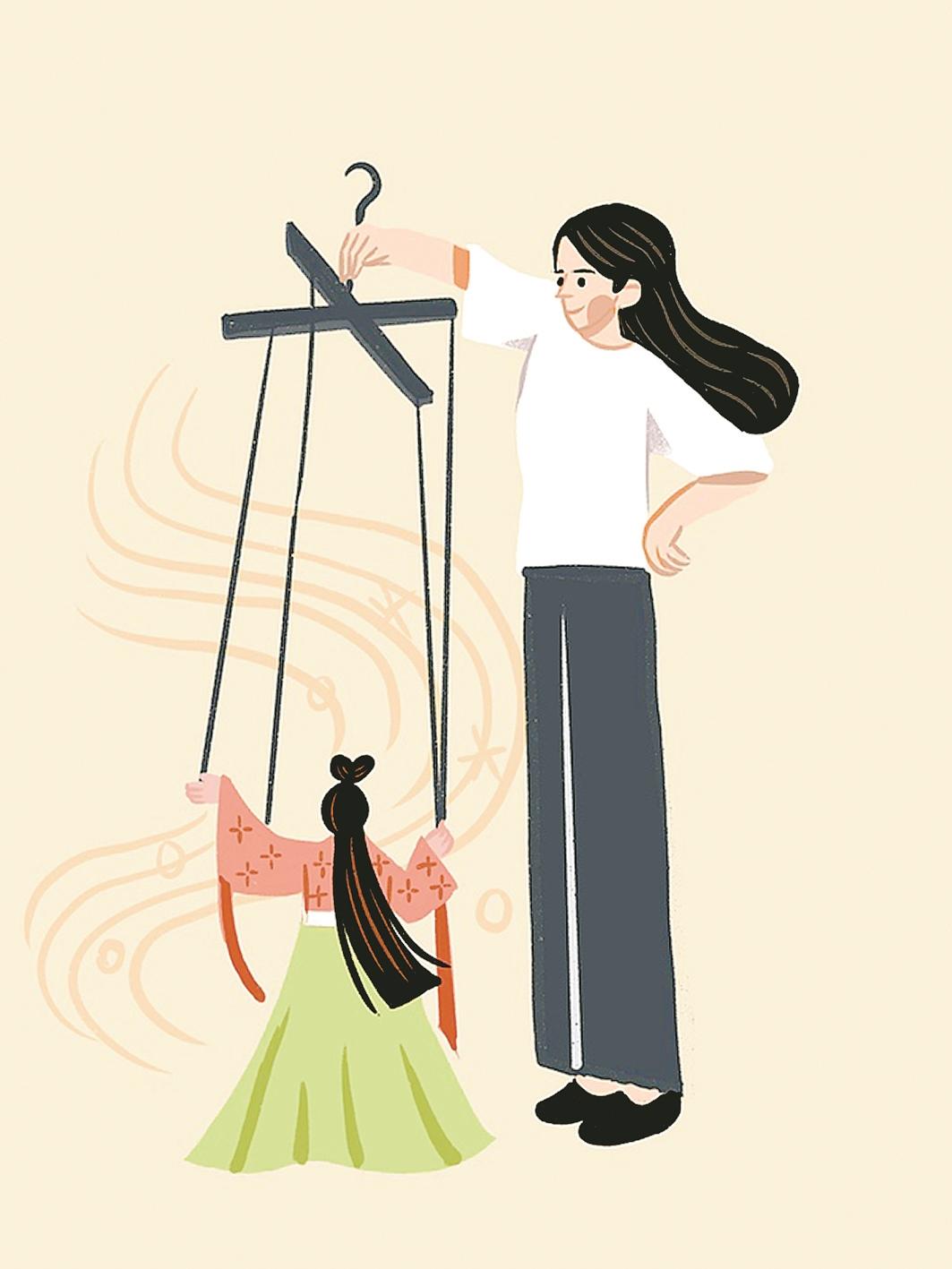
The stage was small, with light falling only on the center. The performer came out holding a cross-shaped control bar, and sixteen strings suspended a painted-face Zhong Kui. At first he hung limp, lifeless. Then the performer settled into place and gave the strings a flick and a pluck, and the impossible happened: Zhong Kui slowly straightened. He raised a hand in greeting, then seized a wine pot and tipped his head back to drink, every movement flowing into the next. Best of all was the drunken stagger. The performer’s fingers twisted and released the strings so quickly that the puppet became a frustrated man, reeling and lurching, filling the stage with glorious absurdity.
In that moment I understood that a puppet’s life is borrowed. The wood is dead; the strings are dead. But once they pass through a pair of hands, they acquire seven emotions and six desires, partings and reunions, joys and sorrows. Most of the audience were local elders. The Minnan arias drifted down from the stage, and they nodded and hummed along, their faces calm, as if listening to an old dream that had been dreamed for centuries.
After the show I wandered through the old lanes. The alleys were narrow and deep, the houses built in the old brick-and-stone style: red bricks laid against rough white stone, the warm red and the coarse white fitting together with unexpected harmony. Tea tables stood against the walls, where a few old men sat around the fragrance of tieguanyin, mixed with the lazy afternoon sun. From the mouth of the lane came the smell of mianxianhu. The woman running the stall called out to customers in Minnan, her voice soft and sticky-sweet, like a string drawing a puppet, making you want to walk toward it.
Without noticing, I arrived at Tianhou Temple. The statue of Mazu sat in the hall, her face compassionate, her gaze lowered. Outside stood an old banyan, its aerial roots hanging like a curtain; someone had tied red silk to it, and the cloth fluttered uncertainly in the wind. I sat on the stone steps and thought again of the morning’s play. Zhong Kui is a god who drives away evil; Mazu is a goddess who protects the sea. In Quanzhou, puppet shows are called jiali, and people invite them for weddings and funerals, for blessings and for averting disaster. What those strings held, I realized, was really a message sent toward the gods.
The city is strange in that way. Its towers are built of stone, its bridges paved with stone, its Buddhas carved from stone—hard, cold things. But after sea wind has licked them, sun has baked them, and human hands have touched them, they take on a warm sheen. The marionettes are the same. They are carved from camphor wood, but once a performer’s hand pulls and lifts them, they seem to acquire body heat.
On my way out I passed Kaiyuan Temple again. Behind the Ziyun Screen came the sound of a wooden fish. The two stone pagodas stood quietly, their surfaces mottled, every crack hiding a story. I thought of Zhong Kui’s last stagger in the puppet play: he collapsed drunk onstage, the strings went slack, his body softened—but his eyes stayed wide open, as if unwilling to accept defeat. The performer said that a good puppet has a soul. The soul is not in the wood; it is in the strings, and in the hands at the other end of them.
Quanzhou is like that too. Its soul is not in any one place—not in the stone, not in the sea wind, not even in those threads passed down for a thousand years. It lives in the pulling of countless hands, on those invisible suspended strings.