In Minnan, there is a name shared by all children: A-gou. It is what the older generation calls the young—though “older” here does not always mean older in years. In this part of southern Fujian, a child can be young and still hold a high place in the family hierarchy. But the ones who use this name are usually the white-haired elders who watched you grow up, the ones who can call you A-gou in the particular, tender dialect of home.
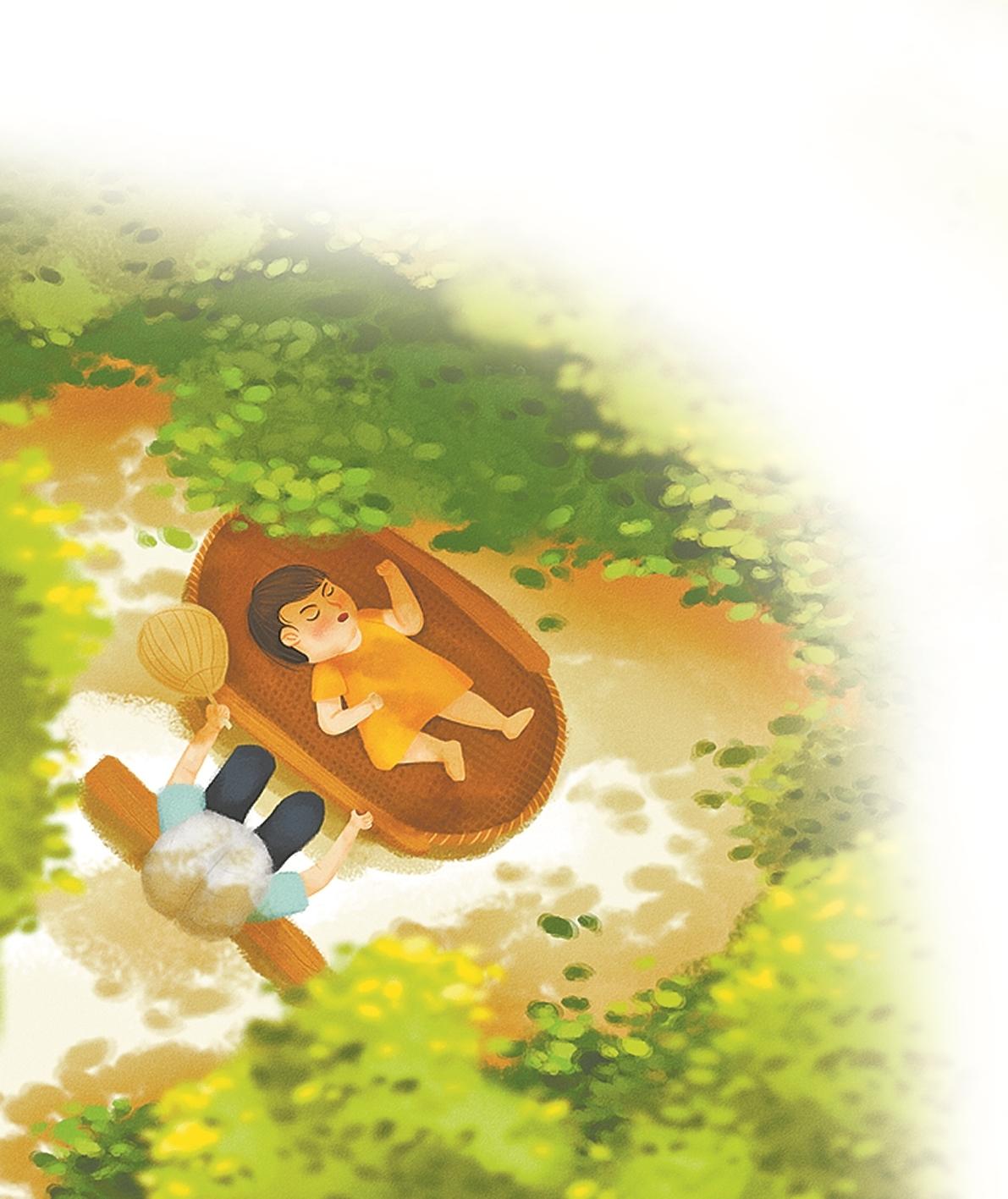
When you come home after a long time away—whether you arrive glowing with good news or worn down by the trip—they pat your shoulder and look you over. Sometimes they touch your cheek the way they did when you were small, eyes smiling and shining with tears. They study you to see whether you have lost weight, hold your hand, and repeat, “A-gou, it’s good you’re back, it’s good you’re back,” or “A-gou, you’ve gotten thinner again” (汝搁瘦喽). Their concern is plain and unadorned, but it is full of missing you. They set down one meal after another of the food you love, and in those dishes sits all the weight of their care.
When I was in school away from home, every return began with a bus to the station in town. Sometimes my family was already waiting there. When the timing did not work out, I took a motorcycle home, riding through the damp, salty wind from the sea. The motorcycle stopped at the mouth of the alley, and on the short walk from there to the house I would always run into a few older neighbors. They might be sitting at their doors sorting vegetables, or chatting in the little shop at the corner. When they saw me, they would call out, “A-gou, you’re on break.” That one word, A-gou, rang in my ears and echoed through the deep and shallow lanes between the stone houses. Only then did I truly feel that I was home—back among the elders who had called me A-gou since I was small and hoped I would grow up well, back on the land that had raised me.
A-gou is not only a nickname. It also carries a wish that a child will be easy to raise and keep safe: that they will grow up like a puppy, free of illness and misfortune, healthy and happy. When a child acts spoiled, people say the child has “A-gou qi” (阿狗气) or “A-gou qian” (阿狗虔)—clingy like a puppy, making soft little whining sounds. Such a child is also called an “A-gou zai” (阿狗仔), a gentle teasing name that elders say with a mixture of helplessness and indulgence. For instance, “阿狗仔规日阿狗气,定定欲佮侬抱” describes a child who spends the whole day being clingy and always wants to be held.
Think of a tiny person, soft and small, circling your feet and asking to be picked up, cautious but full of hope. Who could refuse? A single “A-gou zai” comes out with doting and tenderness, carrying the deep love elders have for a child.
The affection Minnan people show children is direct and rooted in the everyday. Even now, when my daughter cries, I find myself opening my arms and murmuring, “Wo gou lou (我狗喽), Mama is here.” That phrase—my puppy—slips out without my thinking, a tenderness I inherited from my own mother. Only after becoming a mother did I understand the ache and protection inside it.
A call of “A-gou” is the gentle concern of Minnan elders, a signal that you have come home, and a way for Minnan people to express love in a tender but restrained form. Whether you are a babbling child or someone with graying hair, as long as your elders are still there, someone will still call you A-gou with affection. You will feel yourself slip back into childhood, back into being the child who is loved and cared for.
How lucky we are that time has been so gentle.