The starting point was a nucleotide sequence and a set of questions: which gene does it represent, what protein does it encode, and what can be learned about that protein from its sequence? The work moved from sequence identification into physical properties, secondary structure, domains, hydrophobicity, signal peptides, transmembrane regions, and subcellular localization. The query sequence was:
nTAAACGTTTCCCTTATCTCTCTCTCTCTCTCCACTCCAATGGGGACTCTCACCAGCGTCGCTTTTGCCGCTGCCGTTAACATTAGATTCCGATCATTTCACCGGGAAAACATTAAGACAACAATTACAACTCTGCCCAAATGGCAAAAGAGACTCTGTTTCTCTTCTACAGAGGATTCTCATAGATTTAGGATTGCAAAGTGTTTAGGCAATGACGAAAACAGTAACAGAGACGACAGTATCGGAGAAAACGGAGAAACCCACAAGTCTTCGGTTGTTAAAACGGCAACGTTTGAAGAAGAAGATGAAGAGACAAGTAAGAGTAGCTCTACTACTAGCAGCAGCAACGAGTTCGGTTCCGACAAGACTTCAATGCCATCAACTATTGATCCAACATATAGTAGCTTCCAAATAGATTCGTTTAAGCTAATGGAGCTTCTTGGACCAGAGAAAGTAGATCCTGCAGATGTCAAGTTAATAAAGGACAAACTTTTCGGTTATTCGACATTTTGGGTGACGAAAGAAGAGCCATTTGGGGACCTTGGGGAAGGAATTCTCTTTCTTGGGAACTTGAGAGGAAAGAAAGAAGATGTTTTTGCAAAACTTCAGAGAAAACTAGTTGAAGTTGCTAGTGATAAATATAATTTATTCATGATTGAGGAGCCTAACTCAGAAGGACCTGATCCTCGCGGTGGTGCTCGTGTTAGCTTTGGTTTGCTTCGTAAAGAAGTTTCGGAGCCTGGACCAACTACACTCTGGCAGTATGTGATTGCTTTAATATTGTTTCTTTTGACTATTGGTTCCTCTGTGGAGTTAGGAATTGCTTCTCAGATTAACCGCTTACCTCCTGAGGTGGTAAAGTATTTCACCGATCCAAATGCTGTTGAACCACCTGATATGGAGCTGCTGTATCCATTTGTAGATGCTGCATTGCCTTTAGCTTATGGTGTATTGGGAATTCTTTTGTTTCATGAATTAGGGCACTTTCTTGCTGCAGTTCCAAAGAAAGTTAAGCTTAGCATTCCATACTTCATTCCAAACATTACACTCGGCAGCTTTGGGGCAATCACACAGTTTAAGTCGATTCTTCCTGACCGGAGTACAAAAGTTGACATTTCGCTAGCTGGTCCATTTGCTGGAGCTGCACTCTCAGTTTCCATGTTTGCTGTTGGTCTGTTCCTATCTACAGAACCAGATGCAGCTAACGACCTGGTCCAGGTTCCCAGCATGTTATTTCAAGGTTCATTACTTCTTGGACTCATCAGCAGAGCAACTCTGGGATATGCAGCTTTGCATGCTGCAACAGTTTCAATCCACCCACTTGTAATTGCTGGATGGTGTGGTTTAACAACAACAGCATTTAATATGCTTCCAGTGGGATGTTTGGATGGAGGAAGAGCTGTACAGGGAGCATTCGGGAAAAATGCATTGGTTACATTTGGTTTGTCAACCTATGTAATGCTTGGACTCAGAGTGCTCGGTGGCCCTTTGGCACTTCCTTGGGGACTCTACGTATTAATCTGCCAGAGAACACCTGAAAAACCGTGTCTAAACGACGTGACCGAGGTTGGAACGTGGAGGAAGGCCCTTGTAGGGATTGCACTAATCCTGGTGGTTTTGACACTCCTGCCTGTATGGGACGAACTCGCAGAAGAAGTAGGCATAGGGCTTGTAACCACATTTTGATGTCATCTTCCGTCTTTGAGCAGACGTTGTAGTTAGGGCCAATCCGAGACACATTTTTTTGTTTTGGCAATATTTAGATTGCCAGATATAATGAGCCATGTATGTACACTAGTGAAAAAGTATTTATATGTAATTACTTAAATTCATTCTTCAATTATTACACTAATTACTTTTT
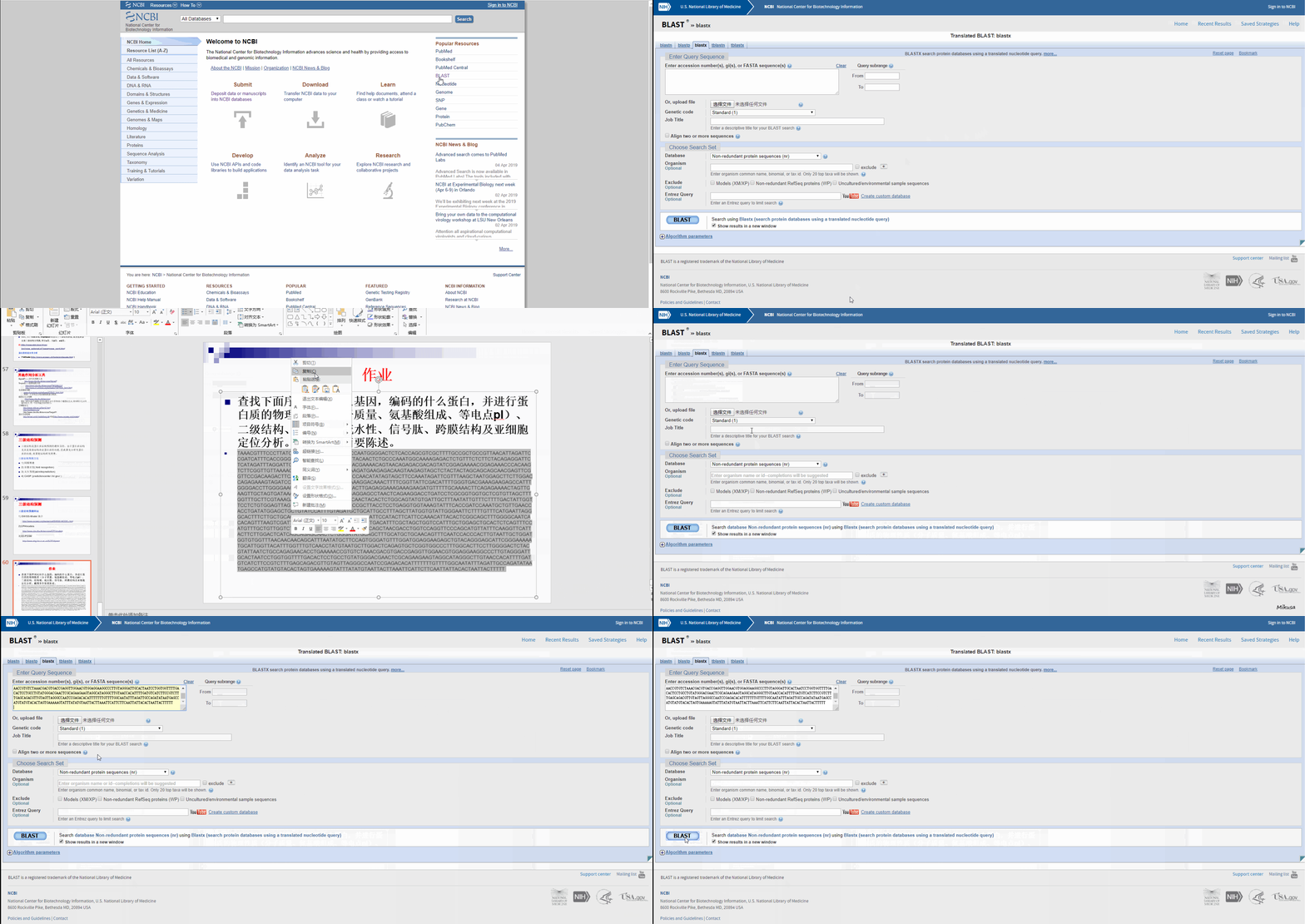
The first step was to find the coding region and its protein product. I used NCBI BLAST and chose blastx, which translates the nucleotide query in all six reading frames and searches protein databases. The search page and the top results are shown below.

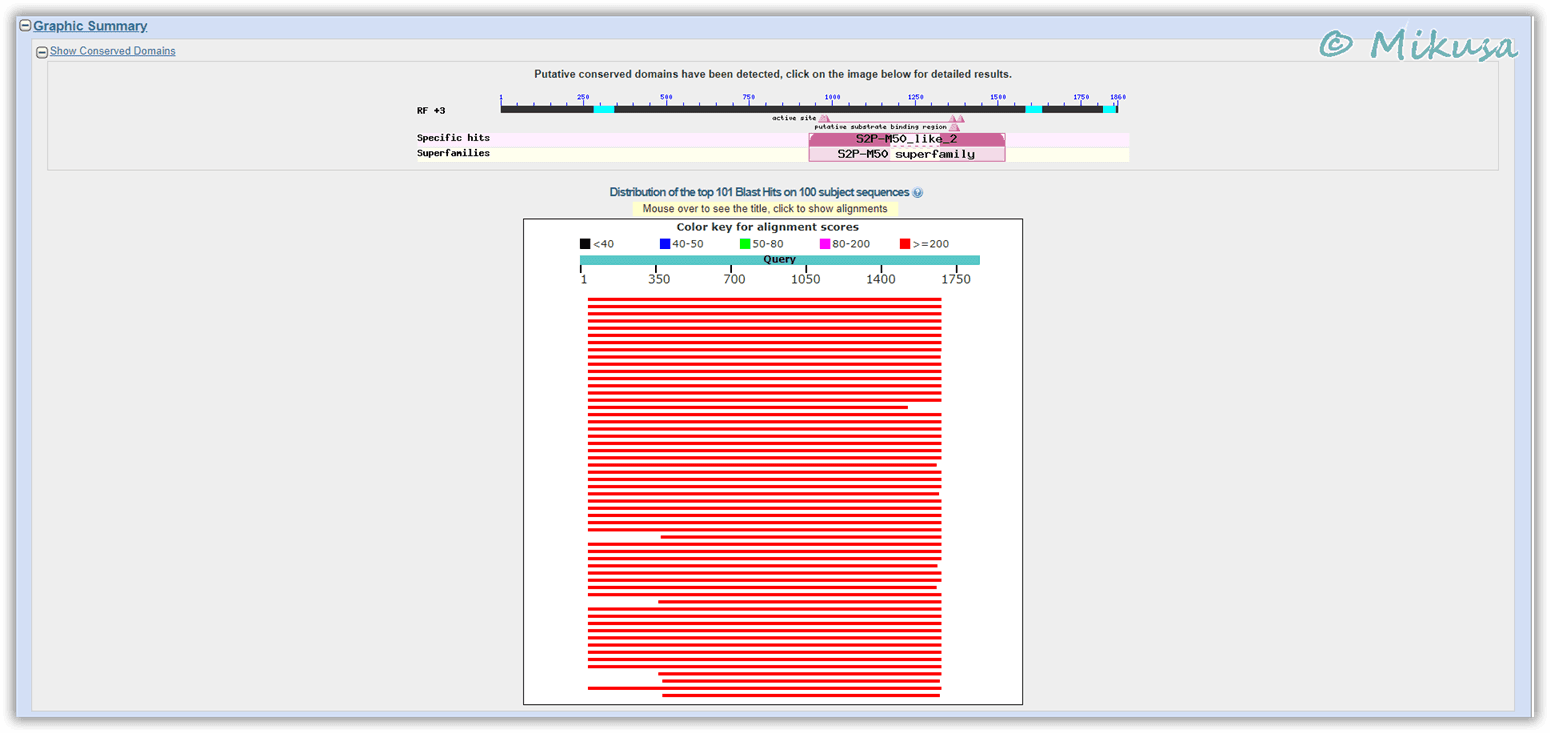
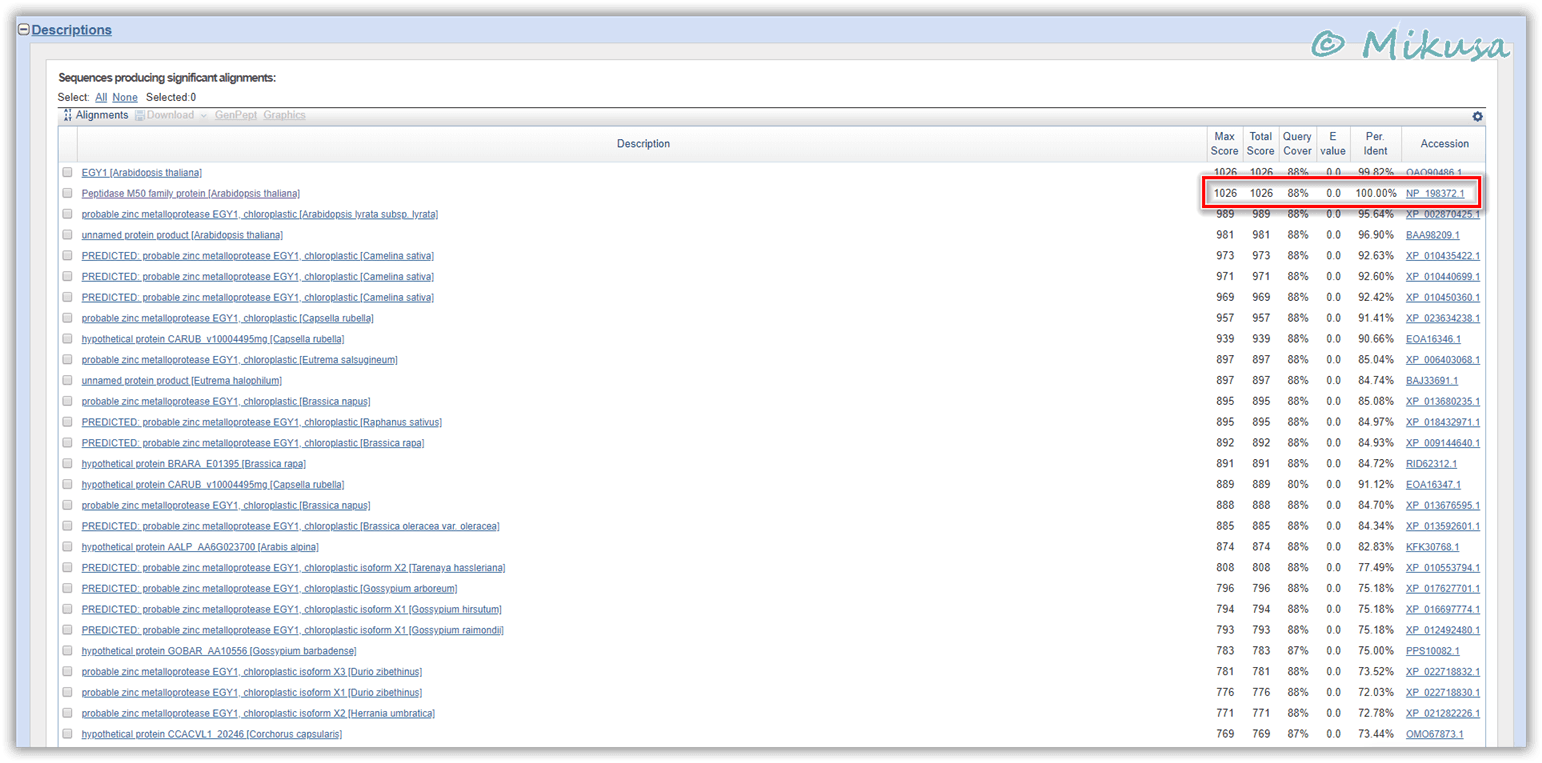
The best match was NP_198372.1, annotated as a peptidase M50 family protein from Arabidopsis thaliana. I retrieved its FASTA sequence for the downstream analyses:
MGTLTSVAFAAAVNIRFRSFHRENIKTTITTLPKWQKRLCFSSTEDSHRFRIAKCLGNDENSNRDDSIGE
NGETHKSSVVKTATFEEEDEETSKSSSTTSSSNEFGSDKTSMPSTIDPTYSSFQIDSFKLMELLGPEKVD
PADVKLIKDKLFGYSTFWVTKEEPFGDLGEGILFLGNLRGKKEDVFAKLQRKLVEVASDKYNLFMIEEPN
SEGPDPRGGARVSFGLLRKEVSEPGPTTLWQYVIALILFLLTIGSSVELGIASQINRLPPEVVKYFTDPN
AVEPPDMELLYPFVDAALPLAYGVLGILLFHELGHFLAAVPKKVKLSIPYFIPNITLGSFGAITQFKSIL
PDRSTKVDISLAGPFAGAALSVSMFAVGLFLSTEPDAANDLVQVPSMLFQGSLLLGLISRATLGYAALHA
ATVSIHPLVIAGWCGLTTTAFNMLPVGCLDGGRAVQGAFGKNALVTFGLSTYVMLGLRVLGGPLALPWGL
YVLICQRTPEKPCLNDVTEVGTWRKALVGIALILVVLTLLPVWDELAEEVGIGLVTTF
Physical properties and composition
ProtParam was used to calculate the basic properties of the protein. The output gave a length of 548 amino acids, a molecular weight of 59,500.72, and a theoretical pI of 5.32.
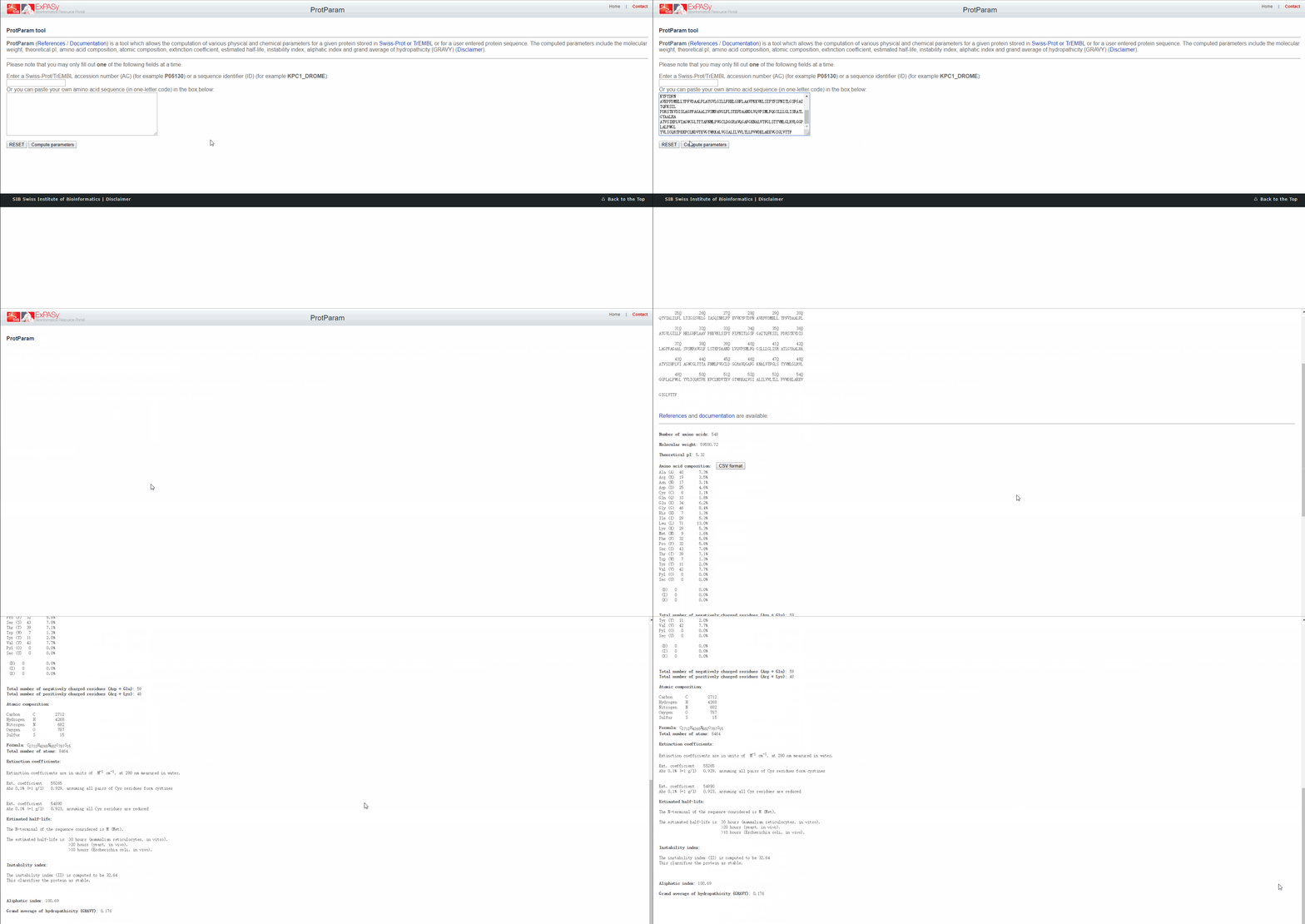
The amino acid composition was:
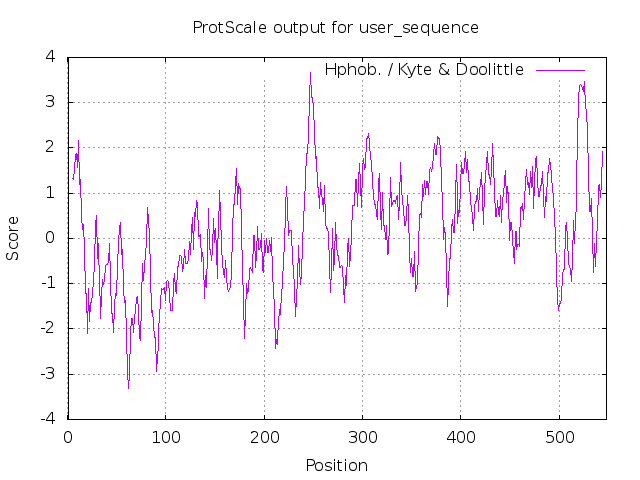
<table> <thead> <tr> <th>Amino acid</th> <th>Count</th> <th>Percentage</th> </tr> </thead> <tbody> <tr> <td>Ala (A)</td> <td>40</td> <td>7.3%</td> </tr> <tr> <td>Arg (R)</td> <td>19</td> <td>3.5%</td> </tr> <tr> <td>Asn (N)</td> <td>17</td> <td>3.1%</td> </tr> <tr> <td>Asp (D)</td> <td>25</td> <td>4.6%</td> </tr> <tr> <td>Cys (C)</td> <td>6</td> <td>1.1%</td> </tr> <tr> <td>Gln (Q)</td> <td>10</td> <td>1.8%</td> </tr> <tr> <td>Glu (E)</td> <td>34</td> <td>6.2%</td> </tr> <tr> <td>Gly (G)</td> <td>46</td> <td>8.4%</td> </tr> <tr> <td>His (H)</td> <td>7</td> <td>1.3%</td> </tr> <tr> <td>Ile (I)</td> <td>29</td> <td>5.3%</td> </tr> <tr> <td>Leu (L)</td> <td>71</td> <td>13.0%</td> </tr> <tr> <td>Lys (K)</td> <td>29</td> <td>5.3%</td> </tr> <tr> <td>Met (M)</td> <td>9</td> <td>1.6%</td> </tr> <tr> <td>Phe (F)</td> <td>32</td> <td>5.8%</td> </tr> <tr> <td>Pro (P)</td> <td>32</td> <td>5.8%</td> </tr> <tr> <td>Ser (S)</td> <td>43</td> <td>7.8%</td> </tr> <tr> <td>Thr (T)</td> <td>39</td> <td>7.1%</td> </tr> <tr> <td>Trp (W)</td> <td>7</td> <td>1.3%</td> </tr> <tr> <td>Tyr (Y)</td> <td>11</td> <td>2.0%</td> </tr> <tr> <td>Val (V)</td> <td>42</td> <td>7.7%</td> </tr> <tr> <td>Pyl (O)</td> <td>0</td> <td>0.0%</td> </tr> <tr> <td>Sec (U)</td> <td>0</td> <td>0.0%</td> </tr> <tr> <td>B</td> <td>0</td> <td>0.0%</td> </tr> <tr> <td>Z</td> <td>0</td> <td>0.0%</td> </tr> <tr> <td>X</td> <td>0</td> <td>0.0%</td> </tr> </tbody> </table>Hydrophobicity was examined with ProtScale. In the plot, positive peaks indicate hydrophobic regions, while negative troughs indicate hydrophilic regions.
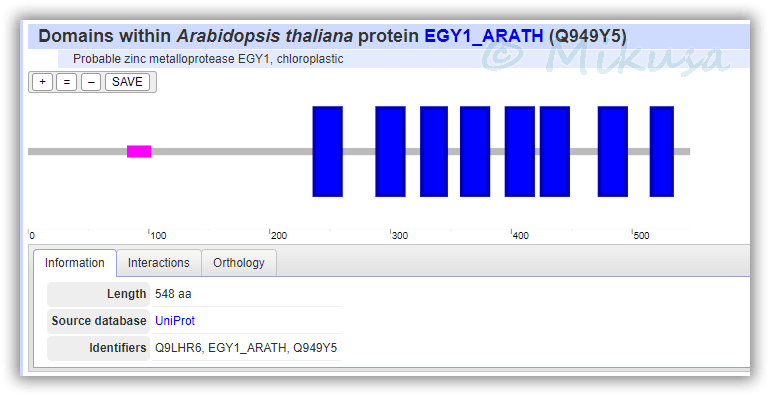
Domain annotation was checked with SMART. The protein length was confirmed as 548 aa, and the domain view is shown below.
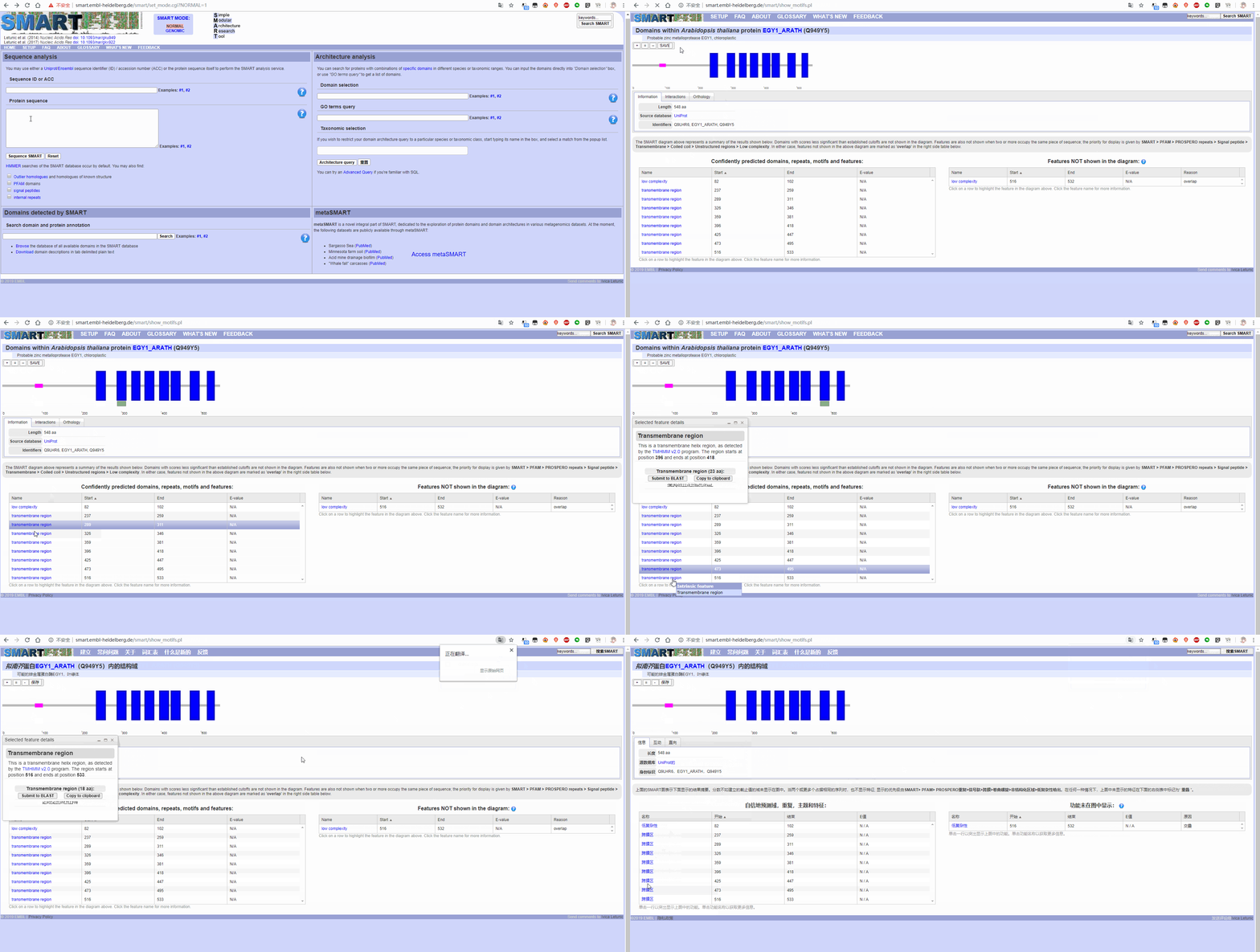
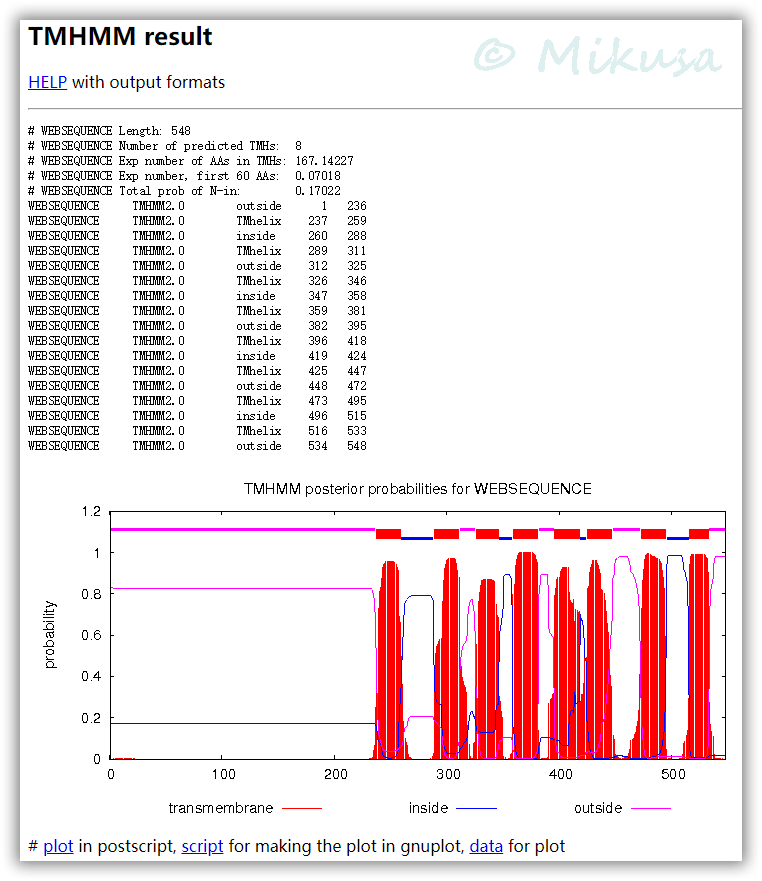
Transmembrane segments were checked with TMpred and TMHMM.
Subcellular localization was predicted with TargetP.
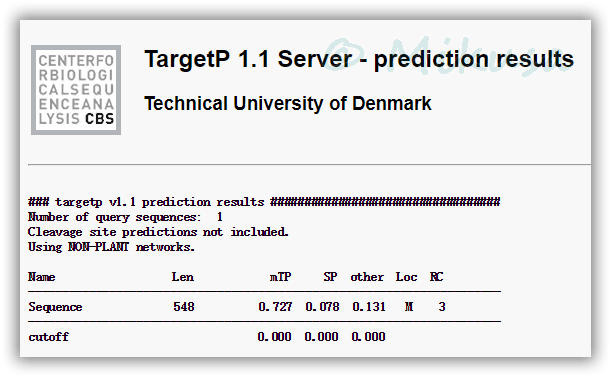
Secondary structure
Secondary structure was predicted with NPSA GOR4. The output gave the following distribution:
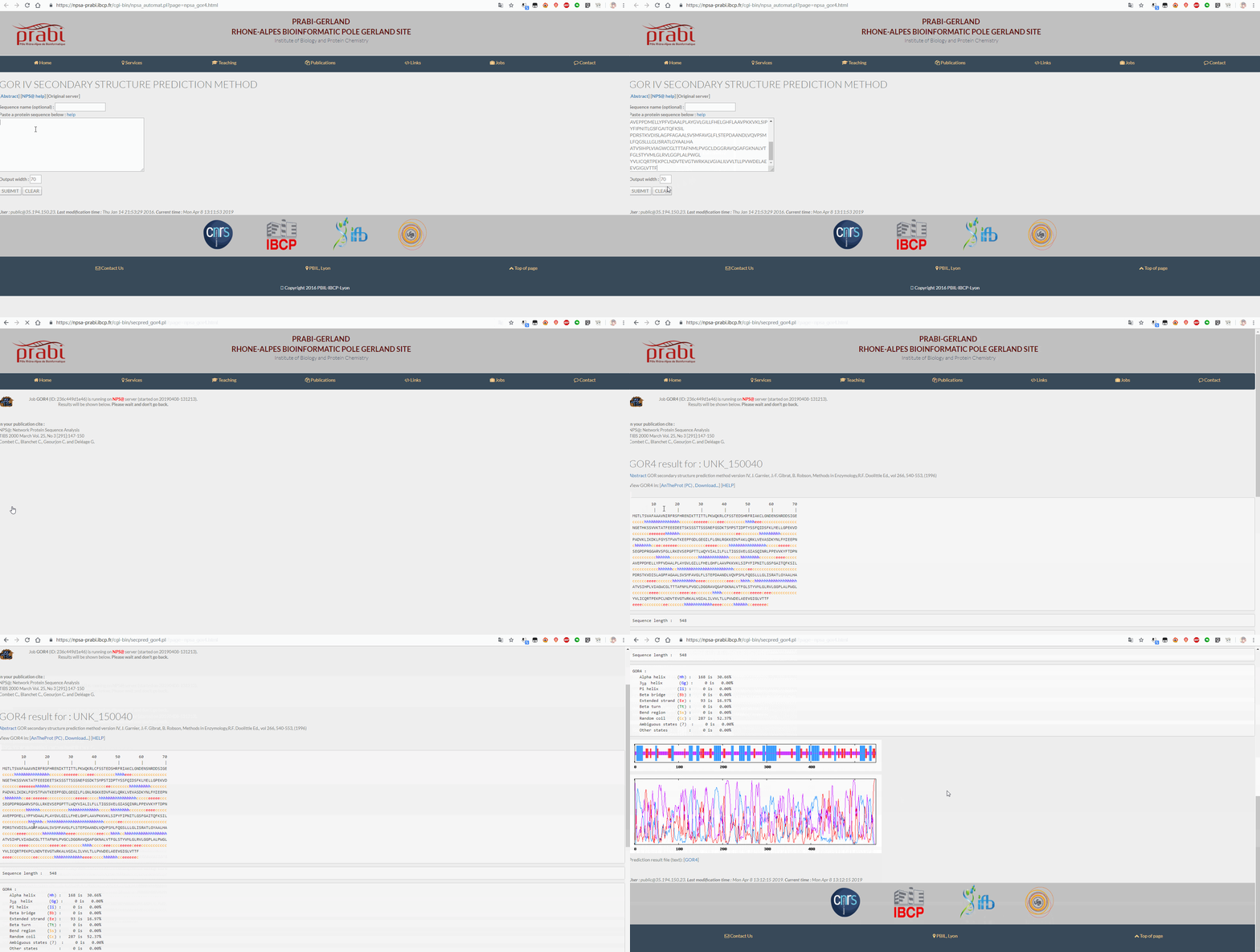
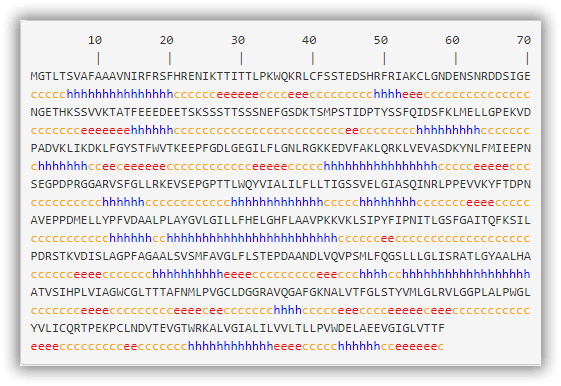
Another predictor, NNPredict, was available but is not demonstrated here.
Tertiary structure
Tertiary structure prediction is the final goal of protein structure work. Because a protein's higher-order structure, especially its three-dimensional shape, determines its function, understanding that structure is central to understanding the protein itself. The general approaches include homology modeling, fold recognition, ab initio prediction, and CASP.
I first tried SWISS-MODEL.
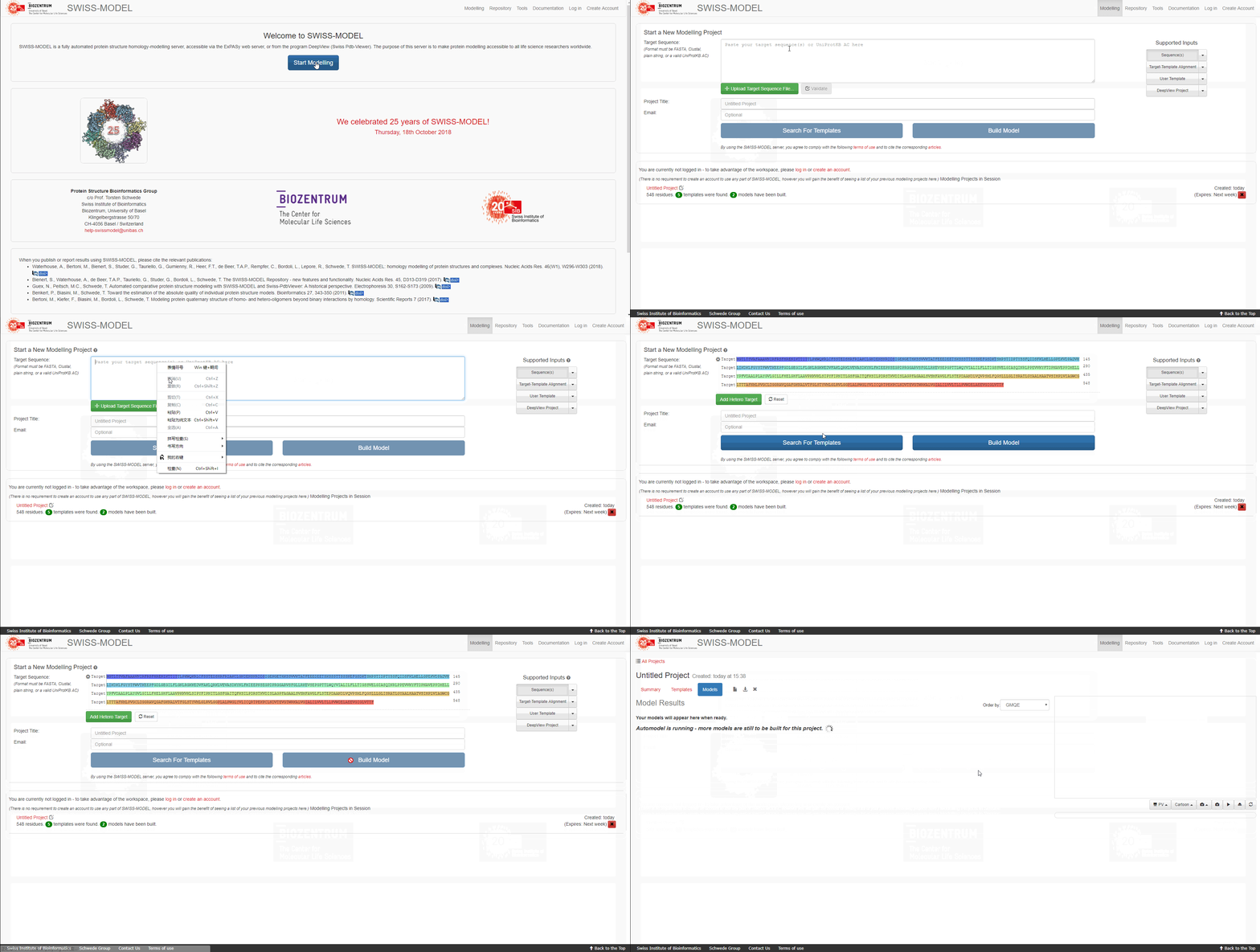
The model and report were generated, but the modeling match was only 24.39%, so I discarded it. I then used Phyre2.
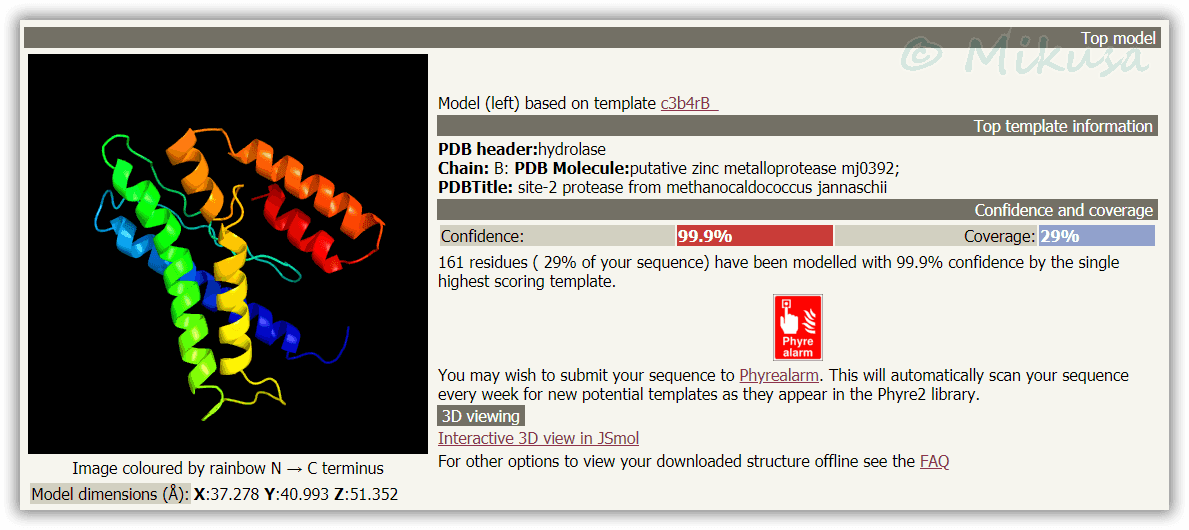
Phyre2 returned a 99% match, which made the model usable.
The sequence therefore corresponds to a peptidase M50 family protein from Arabidopsis thaliana.