
Before Leaving Home
Summer vacation was almost over, and I had been doing what a lazy person does best: hiding at home from the heat. The weather outside was so hot that going out felt like an act of courage. My parents probably could not stand watching me stay indoors any longer, so they decided to take me out for a few days. Just like that, our three-day trip to Taibai Mountain National Forest Park and Famen Temple began.
On the morning of departure, I got up at seven and attended a class first. After breakfast around eleven, we finally started getting ready. We drove in my parents’ car, picked up my fourth granduncle, packed snacks, and gathered everyone. My sister had to work on Monday, so she could not join us and had to stay home, haha.
There were eight of us in total. I also brought my schoolbag, supposedly so I could study during the trip. In reality, it was mostly for show, just to reassure the adults. Studying? Not happening. Full surrender mode.
A Stop at Xi’an University of Architecture and Technology
Because my cousin had been admitted to Xi’an University of Architecture and Technology, we stopped by the campus on the way. I genuinely could not understand why the environment there was so good. I was jealous to the point of almost crying.
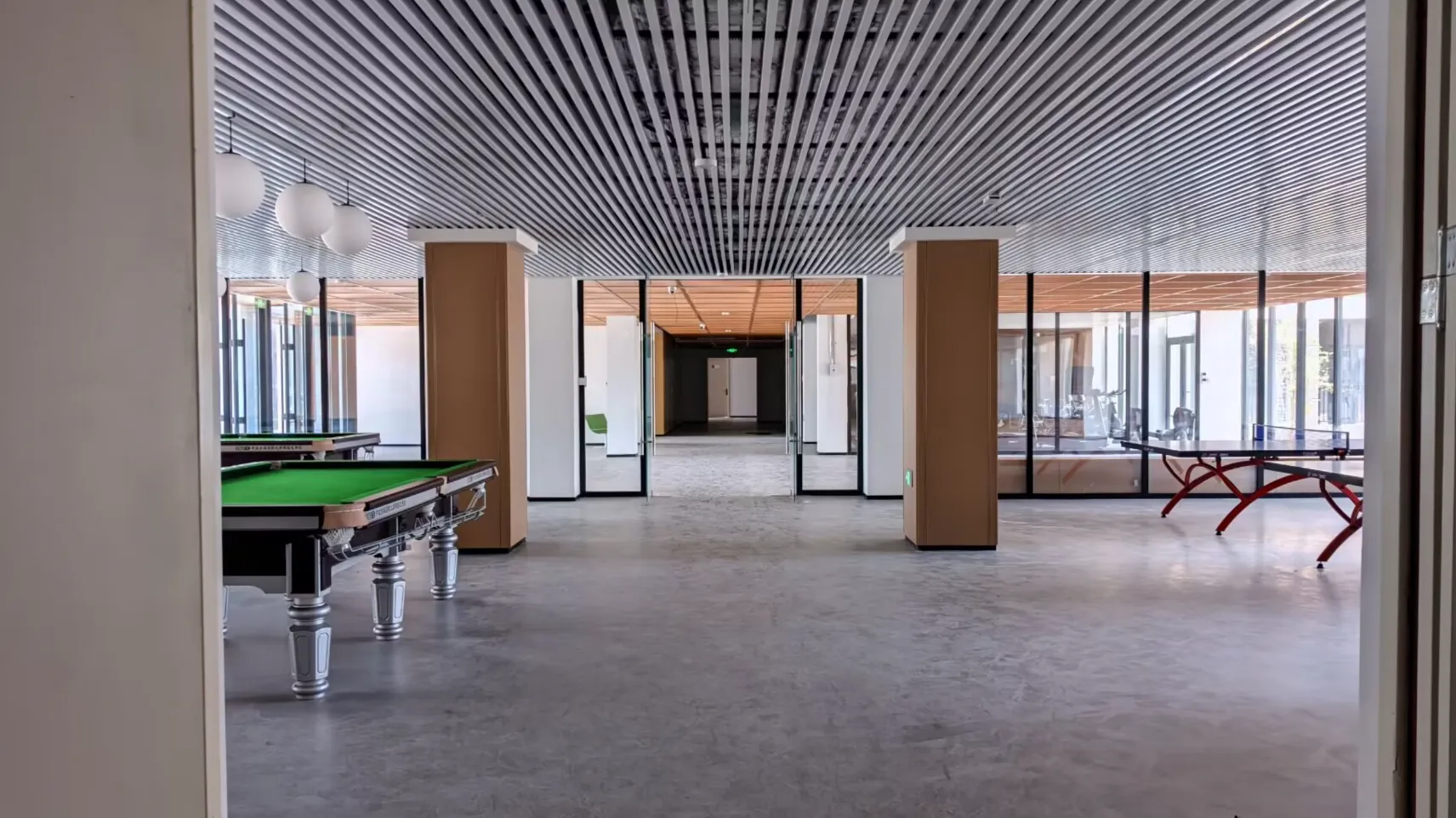
Fitness area on the first floor of the dormitory building
The dormitory area was especially painful to look at—painful because it was too good. Even the “worst” dorms were four-person rooms with loft beds and desks underneath, exactly the kind of dorm I had imagined as ideal. Compared with our cramped dorm that had been converted from four people to six, this place felt unreal.
The desks were spacious enough to spread books out freely, and each side had a wardrobe made up of upper and lower cabinets. The storage space in one person’s wardrobe here felt larger than what our entire dorm had.
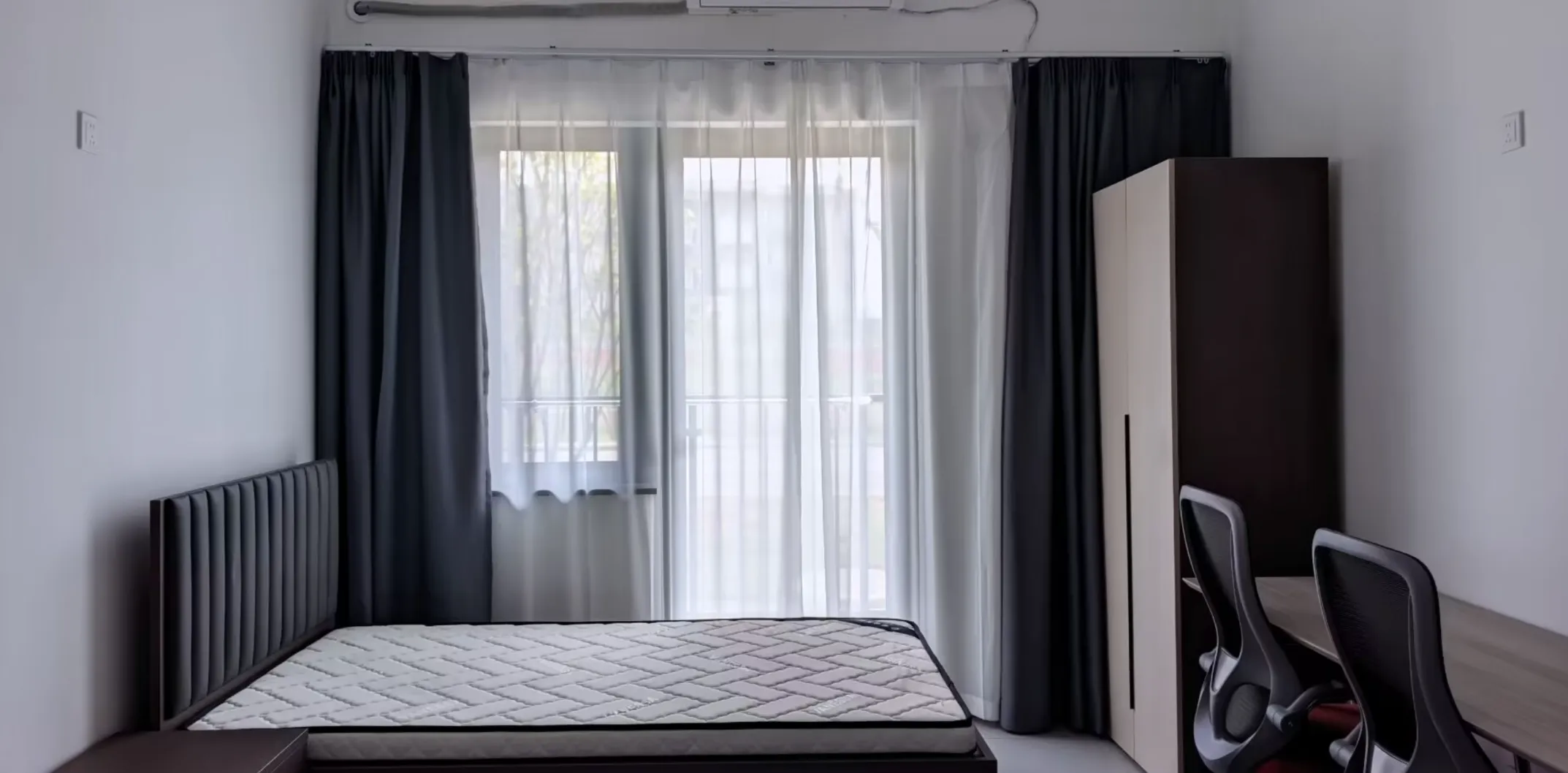
Double room
Across from the dorm building was a multifunctional indoor activity center. It had a billiards room—yes, a billiards room inside the dorm area—table tennis tables, an indoor fitness zone, and a comfortable lounge area with small sofas. Basically, anything you could think of was there. The whole environment was so comfortable that it was hard not to envy.
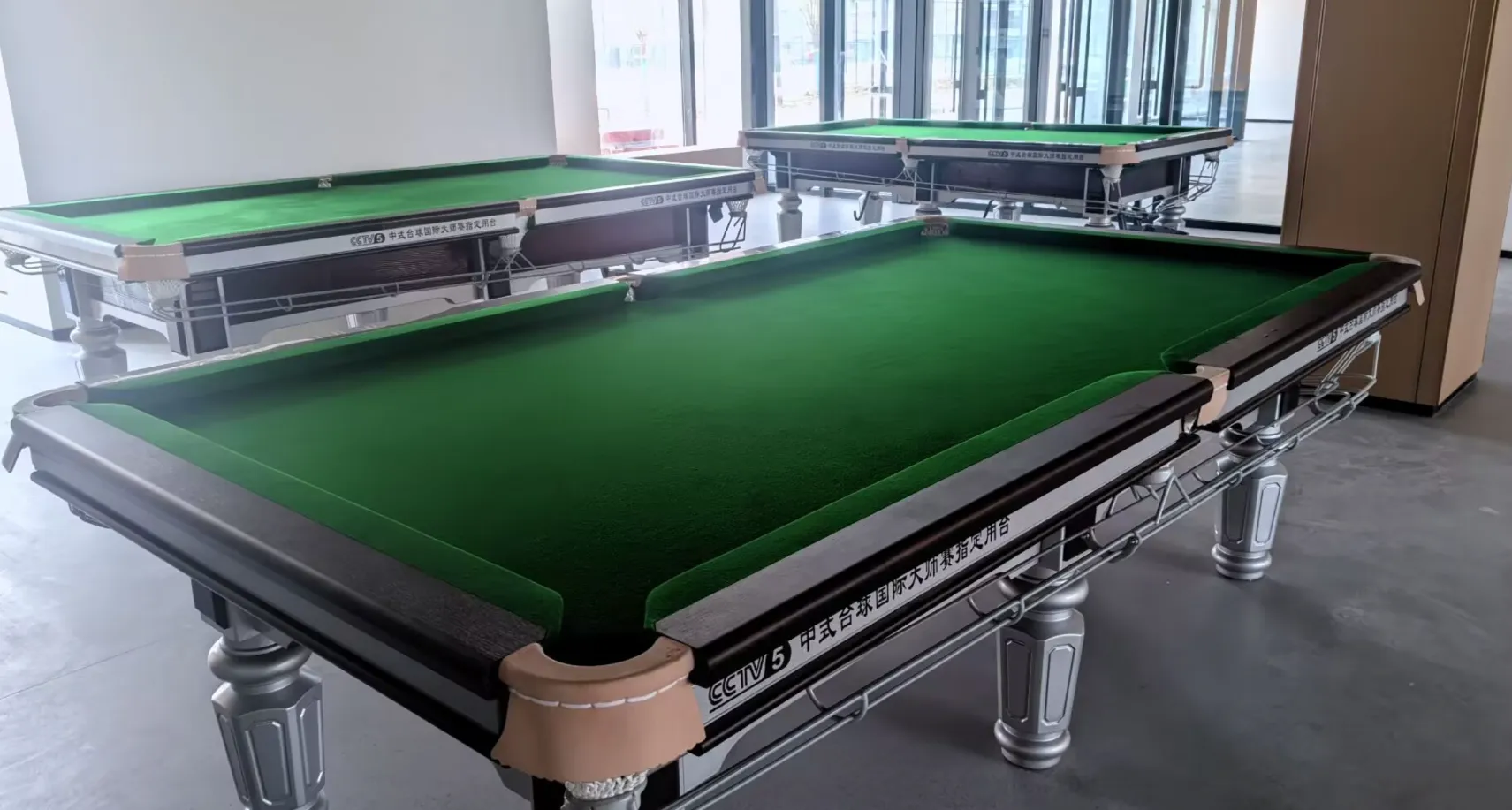
A billiards room inside the dorm building?
After touring the campus, we continued toward Taibai Mountain.
Arriving at Taibai Mountain
Taibai Mountain is the main peak of the Qinling Mountains. It lies where Mei County, Taibai County, and Zhouzhi County meet, spanning parts of Baoji and Xi’an in Shaanxi Province. Its highest point, Baxiantai, reaches 3,771.2 meters above sea level, making it the tallest peak in eastern mainland China.
For centuries, Taibai Mountain has been known for being high, cold, steep, unusual, abundant, and mysterious. It is also the highest section of the watershed between the Yellow River system and the Yangtze River system. The mountain contains a clear range of landforms, from low mountains to middle mountains and alpine terrain, each with distinct boundaries. The landforms shaped by Quaternary glacial activity are especially well preserved and still clearly visible today.
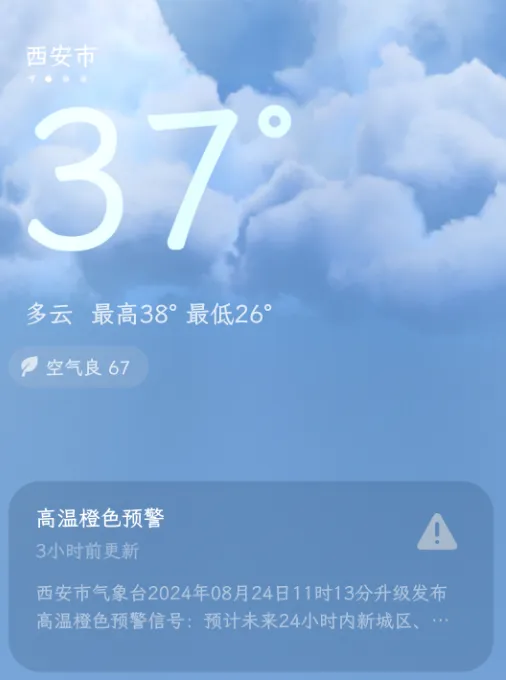
Is this really a place for humans???
I had heard long ago about Taibai Mountain’s legendary cold climate and even snow in June. This time, I finally got to experience it myself. As soon as we reached the foot of the mountain, the air already felt noticeably cooler, even a little chilly. Compared with the heat back home and in Xi’an, it was basically paradise.
An Evening in Tang Town
We arrived around three in the afternoon. For safety reasons, Taibai Mountain does not allow visitors to enter the mountain after three, so we decided to find accommodation first. The eight of us booked an entire floor for only 400 yuan. It felt like a great deal, especially since the place was not far from the scenic area.
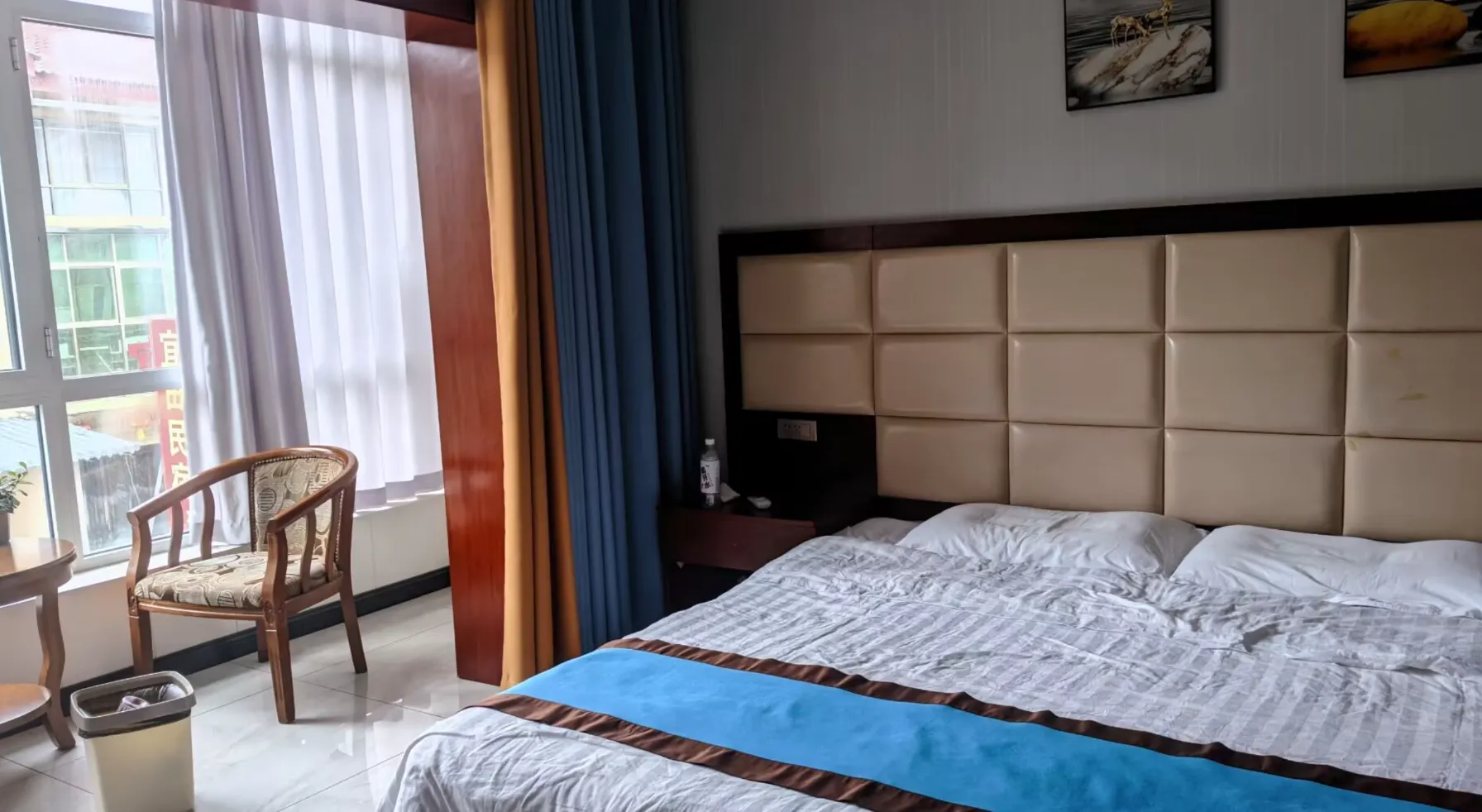
Guesthouse hotel
After settling in briefly, we went out to explore nearby attractions and look for food. We ended up in Tang Town, a very pretty area. To preserve its original ecological atmosphere, the buildings were all designed in an antique wooden style. Mist drifted above the water, and the old-style wooden structures reflected beside it. It looked exactly like something out of all my Minecraft building fantasies.
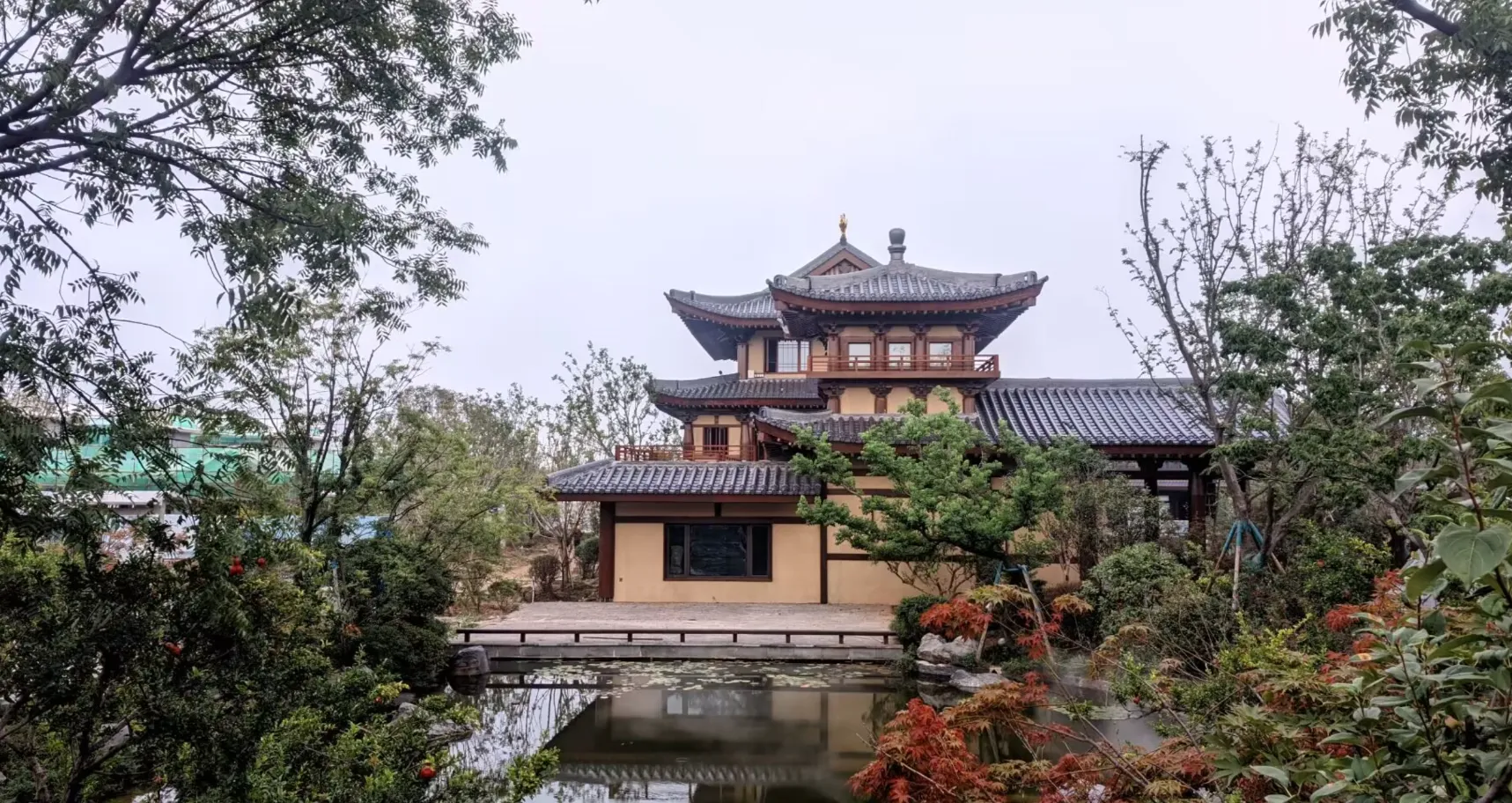
Wooden cabin
But after wandering around for quite a while, we still could not find a restaurant that felt right. We did find a supermarket, but the prices were terrifying. A 250 ml bottle of mineral water was 12 yuan. I could not believe it and left quietly, thinking: I cannot afford this, QAQ.
So the search for dinner continued.
At last, we found a Chongqing private kitchen restaurant in Tang Town. The menu had plenty of dishes, but the fish really was not to my taste. It was supposed to be a black fish, but it had simply been chopped into chunks, and every piece had lots of small bones that had not been cleaned out properly. Eating it was a little depressing. Still, at least we finally filled our stomachs, which was some comfort.
Back at the guesthouse, everyone played mahjong for a while and then cards. The evening passed with plenty of laughter, and we gradually fell asleep, ready for the next day.
Into Taibai Mountain
The next morning, after breakfast at seven, we headed for Taibai Mountain. Fortunately, even though I had not brought my ID card, I still got through security without trouble. Otherwise, I probably would have been miserable for the entire day.
The ticket prices were as follows:
<table> <thead> <tr> <th></th> <th>Under 120 cm</th> <th>120–140 cm</th> <th>Student</th> <th>Adult</th> <th>Senior</th> </tr> </thead> <tbody> <tr> <td>Entrance ticket</td> <td>0</td> <td>45</td> <td>45</td> <td>90</td> <td>45</td> </tr> <tr> <td>Shuttle bus ticket</td> <td>0</td> <td>60</td> <td>60</td> <td>60</td> <td>60</td> </tr> <tr> <td>Cableway / rail ticket</td> <td>100</td> <td>100</td> <td>100</td> <td>120</td> <td>100</td> </tr> </tbody> </table>The tickets were not cheap, especially the cableway ticket, which really hurt to look at. Still, overall, it was worth it. The only frustrating thing was seeing the cable cars going up and down with so many empty seats, while the price remained high instead of being lowered a little to carry more people.
After buying tickets, we still had to take a shuttle bus deeper into the scenic area. As the altitude rose, the temperature dropped. Cool wind brushed against our faces like natural air conditioning, and it made everyone look forward to what came next.
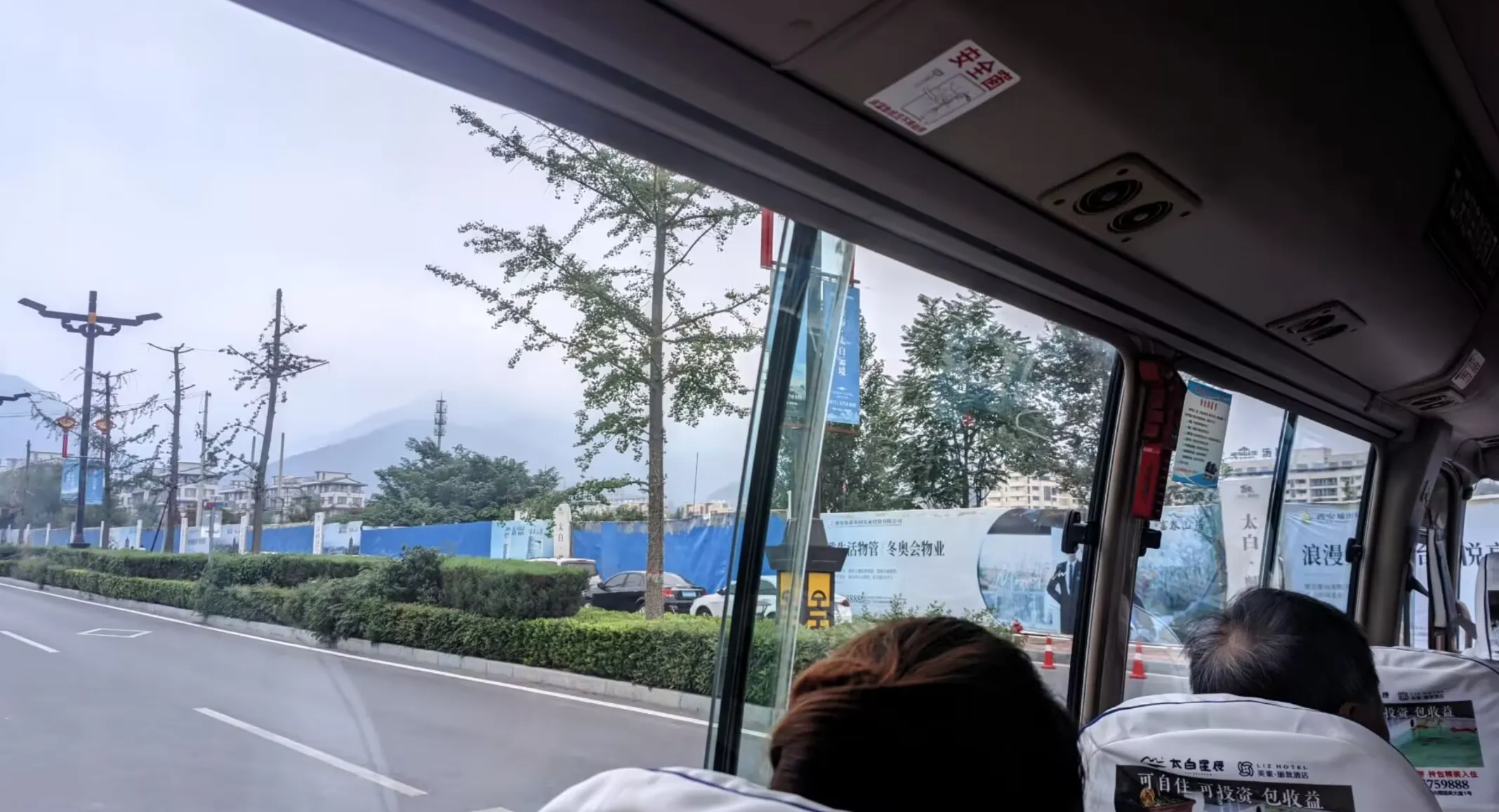
Taking the shuttle bus inward
The first stop was called “Shiwai Taoyuan,” or “A Peach Blossom Land Beyond the World.” It was not one of the main scenic spots, but it was still charming. The river beside the road was full of strangely shaped rocks, and many visitors stopped to take photos. After passing through a stone cave, we reached Taoyuan. Beneath a towering peach blossom tree, faint mist drifted through the air, making the place look almost unreal.
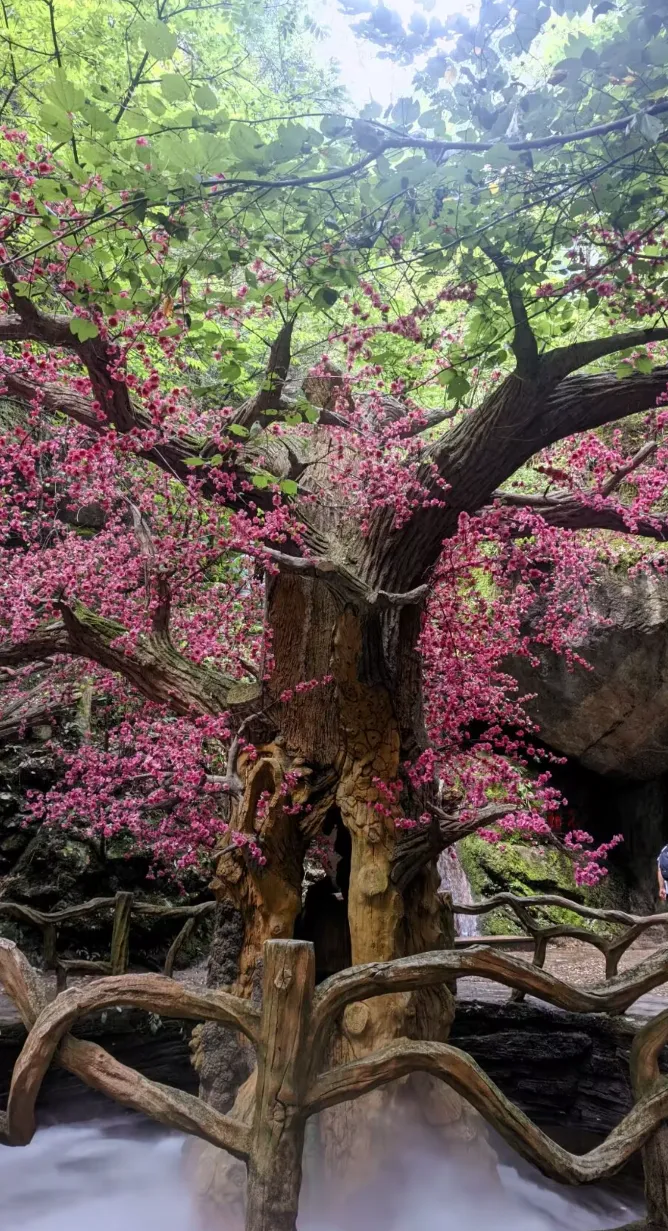
Taoyuan
After visiting this area, we continued by bus toward higher points. Taibai Mountain is huge, with many scenic areas often referred to as the “Eight Views of Taibai.” It would be impossible to see everything in just one or two days. To save time, we chose to take the cable car straight upward. And yes, I have to say it again: the ticket price was painfully expensive.
Each cable car could hold eight people, which happened to fit our group exactly. My father is afraid of heights, so he did not dare open his eyes for most of the ride, which was a bit of a pity. The rest of us were nervous too, but more than that, we were curious and excited because it was our first time experiencing a ride like this. There were deep valleys all around us, and even though it was scary, we could not help looking down.
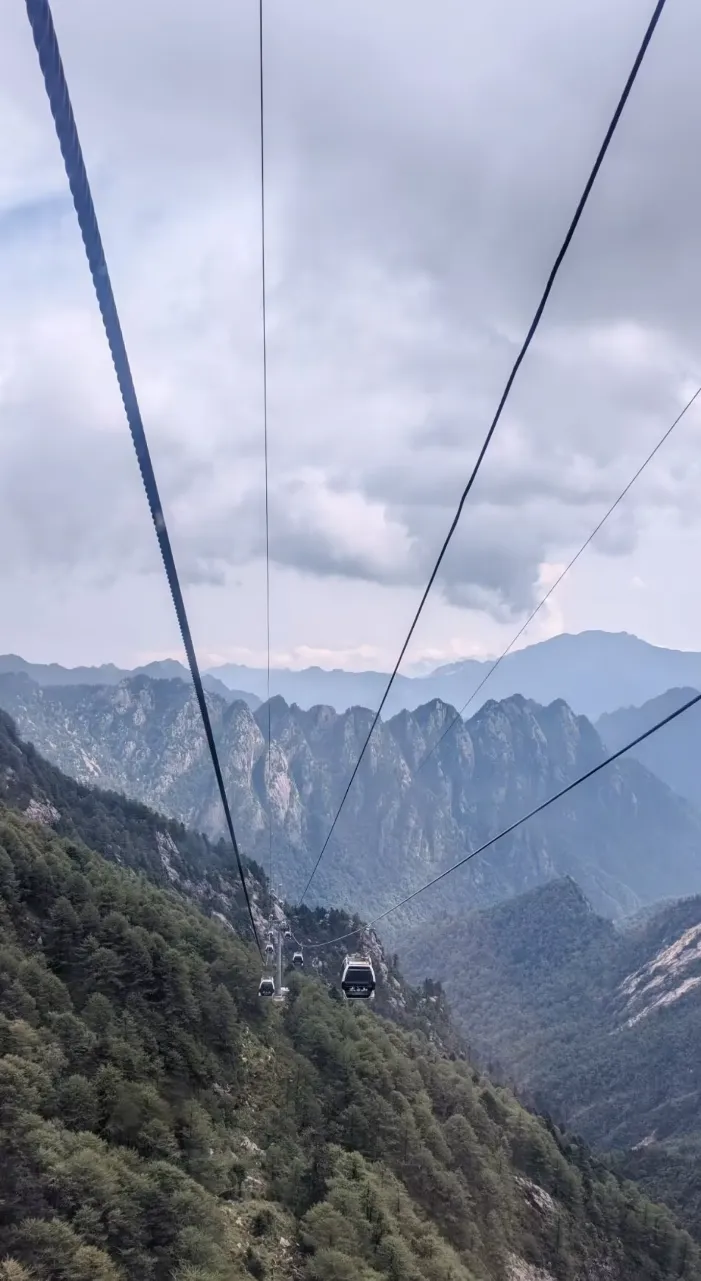
Looking down from the cable car
After passing through the sea of clouds, we reached the upper station at “Tianyuan Difang.” The whole area was wrapped in white fog. If someone walked just a little farther away, it became hard to recognize them. It was honestly funny. Tianyuan Difang is over 3,000 meters above sea level, already within the alpine zone. The air was sharp and cold, and in some places we could even see snow. The name “Taibai,” meaning “Great White,” suddenly felt very fitting.
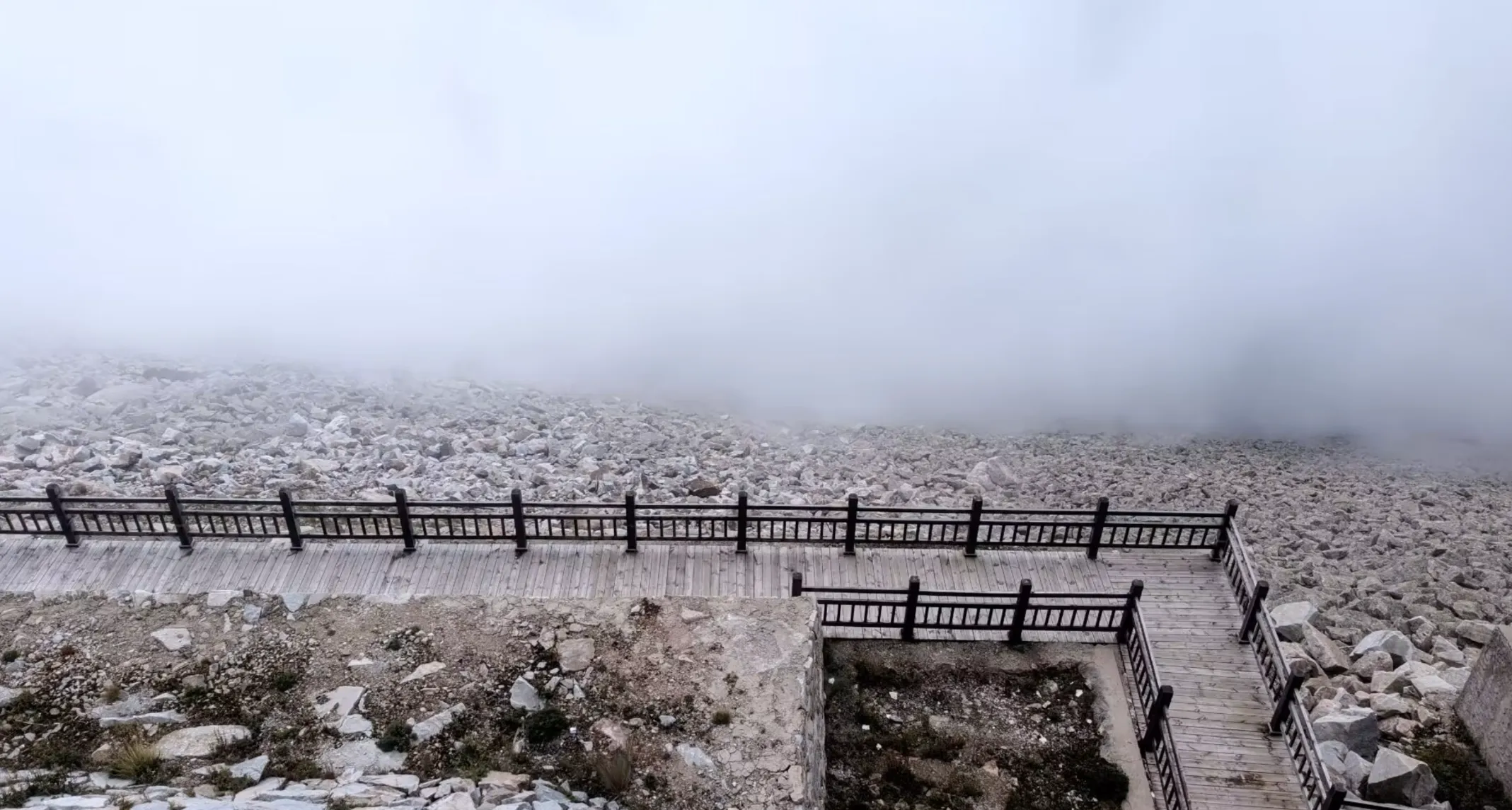
Fog all around
Because part of the mountaintop belongs to a wildlife protection area, visitors are not allowed to enter. That was a little disappointing, since we could not reach Baxiantai or the legendary place where the immortals gather. So we changed course and headed toward Shangbansi and Baixiantai before starting the long descent. Judging by the distance, it felt like it might already be dark by the time we reached the bottom, QAQ.
Down the Mountain
On the way, we passed a spot called Xiaotian Dog. No matter how I looked at it, I could not see the legendary shape. Only after someone pointed out the right angle did I vaguely catch a faint outline, as if the boulder had really transformed into the mythical guardian. The shape was not very clear, but it still added a small surprise to the trip.
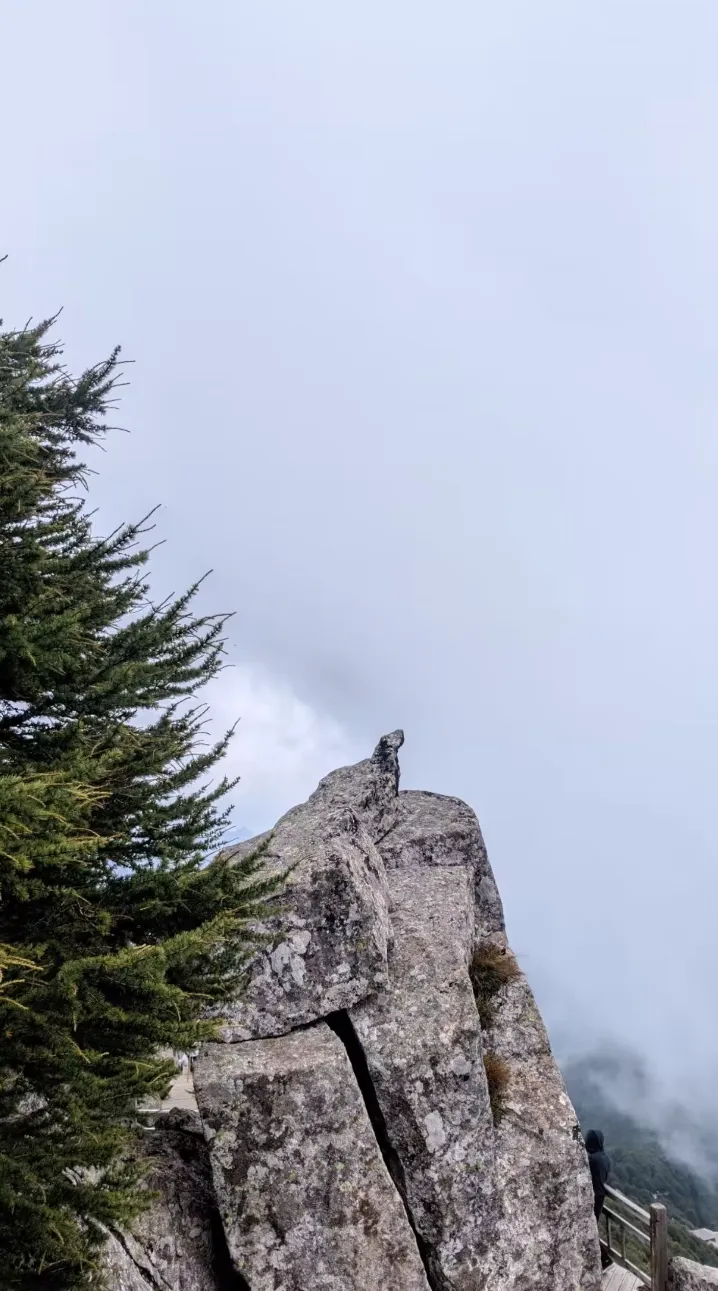
Xiaotian Dog
Taibai Mountain is sometimes described as the dividing line between northern and southern China. If you have never been there, you may not fully realize that the highest peak of the Qinling Mountains is Taibai, and that this mountain marks such an important geographical boundary. Looking north from Taibai, you face the vast Yellow River basin; looking south, you face the rich and humid Yangtze River system.
It is not only a geographic marker, but also a place filled with natural wonders. The glacial remains on Taibai Mountain preserve traces of the Ice Age. Ancient glaciers carved valleys and cliffs into the mountain, making it feel as if you are standing in a frozen world from a distant past. The mountain carries both the weight of history and the grandeur of nature.
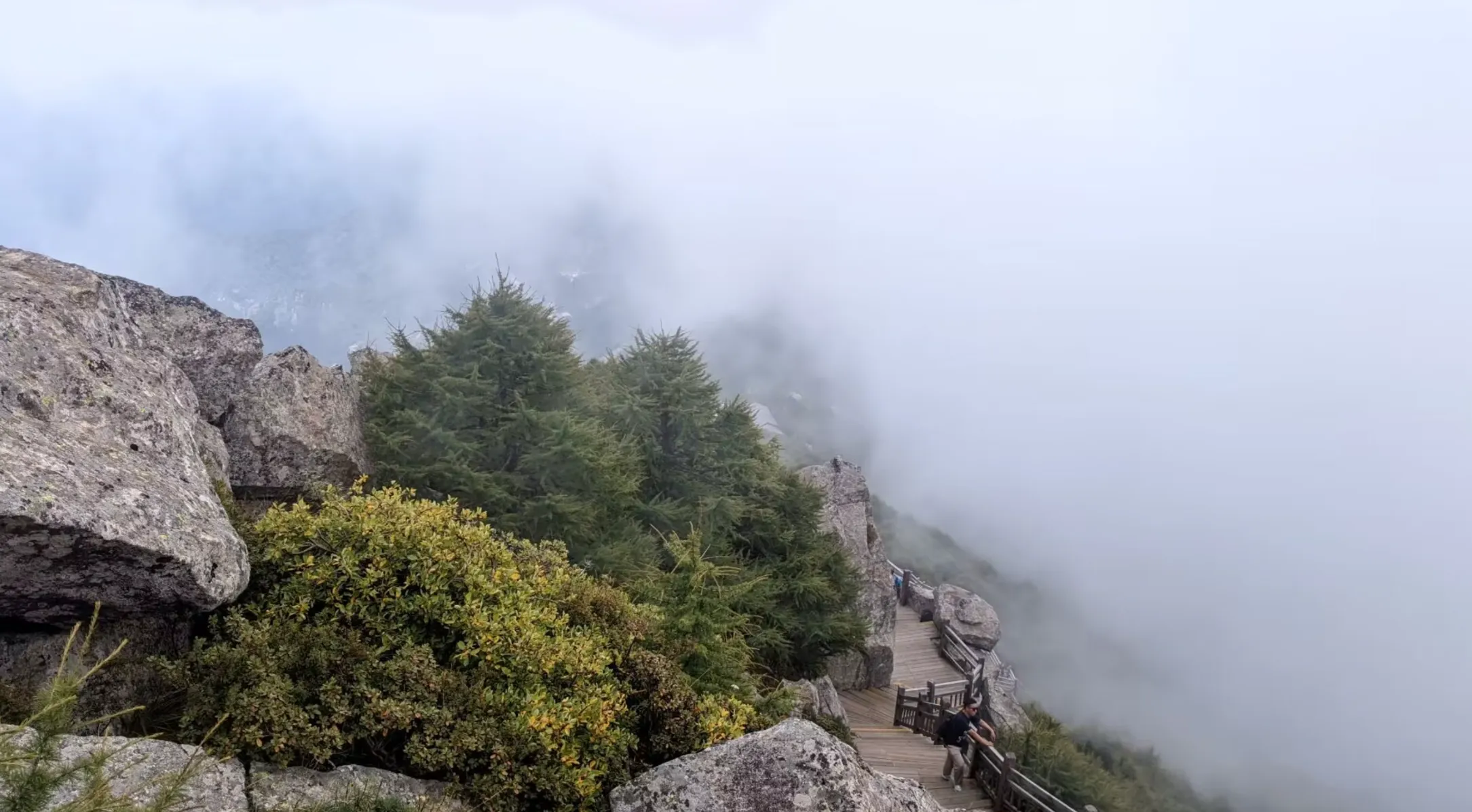
Magnificent scenery
There are not many “attractions” on Taibai Mountain in the usual sense, yet everywhere feels like an attraction. It does not rely on carefully built artificial scenery. Its charm comes from nature itself: towering peaks, vast forests, winding paths, cloud seas at dawn, and snow-covered summits half-hidden in mist. Here, scenery does not need a label. Every stretch of land is worth stopping for, and every turn may bring an unexpected view.
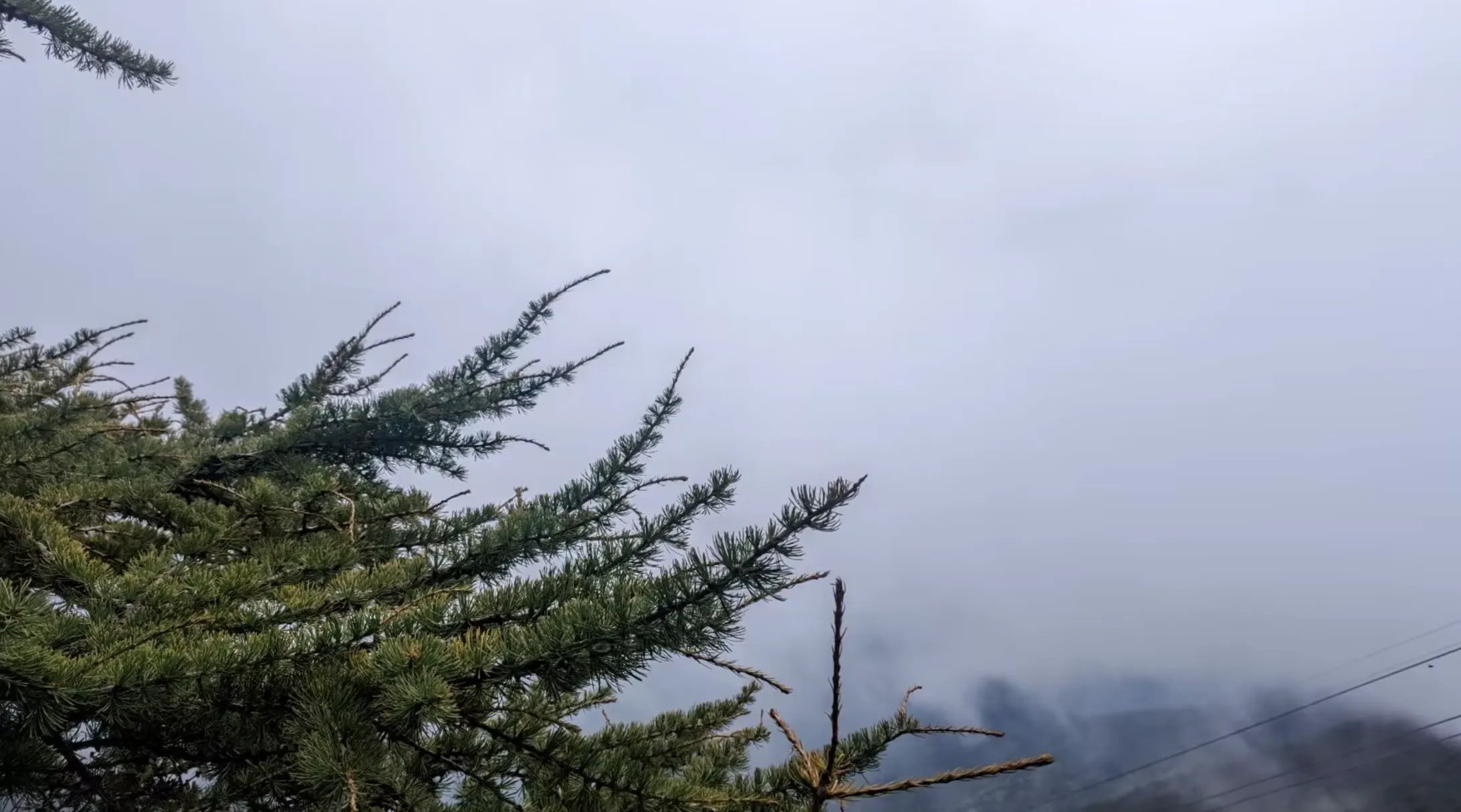
Thousand-year-old pine
The descent was full of endless layers of steps. Each step tested our endurance. As we moved lower, the excitement from earlier slowly gave way to exhaustion, and our legs felt heavier and heavier. But this tiredness also made the mountain’s scale feel more real. Each stair became a small test of willpower; every rest stop became a chance to value the scenery more.
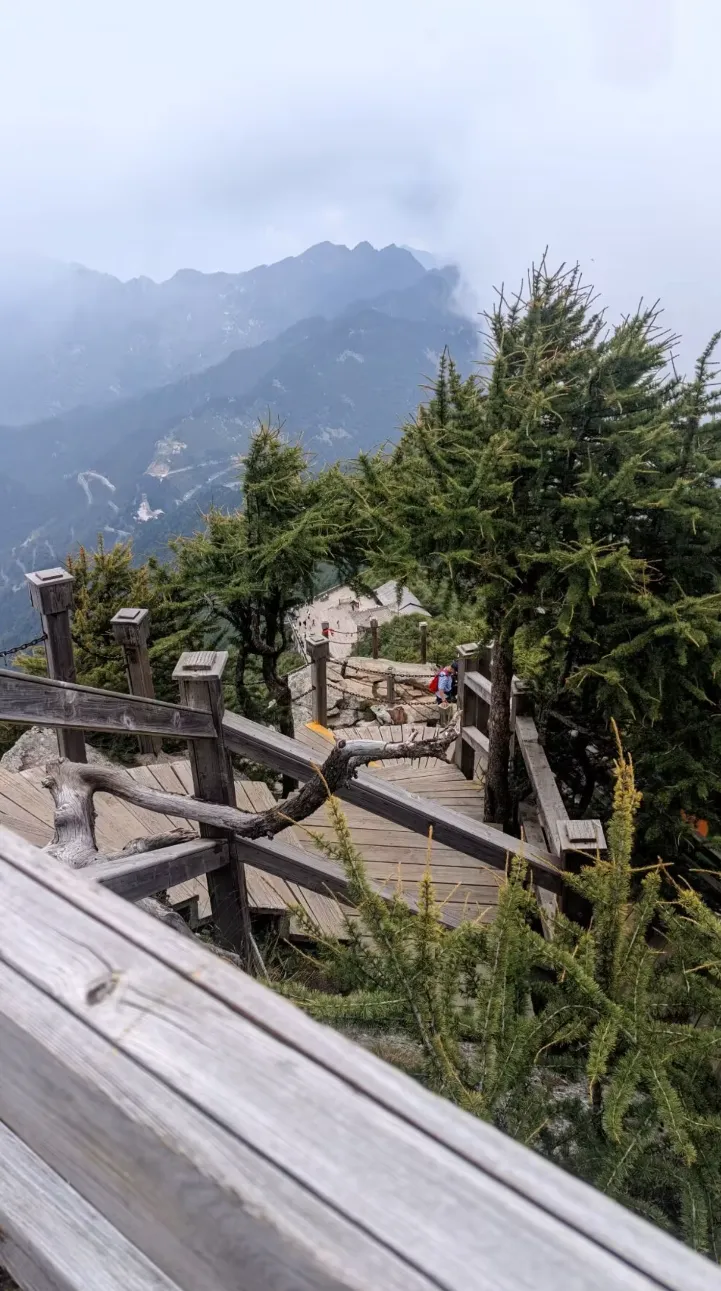
The road down the mountain
When we passed a temple, we stopped to rest and ate some of the food we had brought. Only then did I realize that the schoolbag I had carried all the way contained eight apples and two bottles of water. No wonder it had felt so heavy!
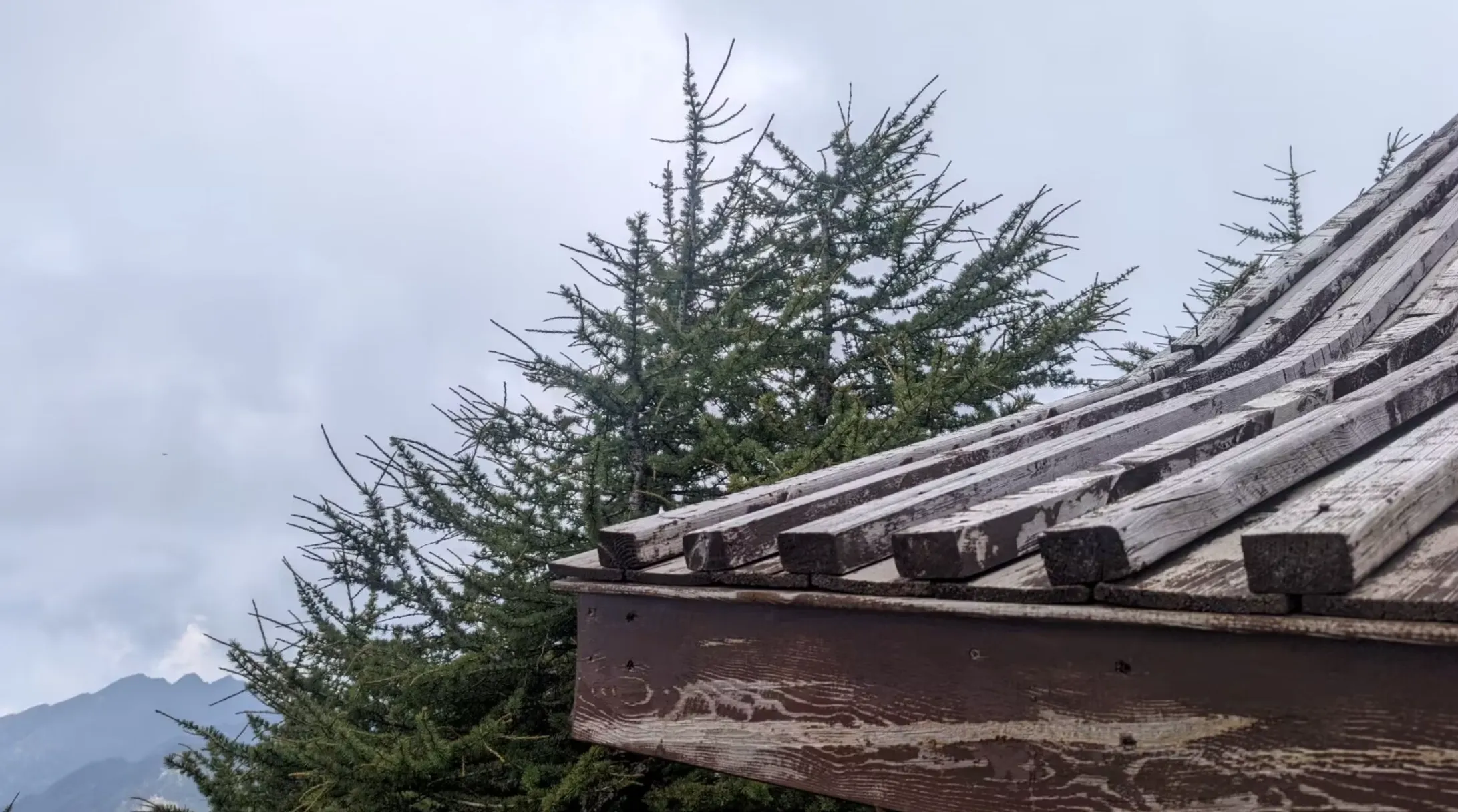
A short rest
After another half hour of trekking, we finally reached Baixiantai. Standing in that ancient sacred place, we looked up toward the sky and quietly made wishes, hoping that one day we might meet again among Taibai Mountain’s grand scenery.
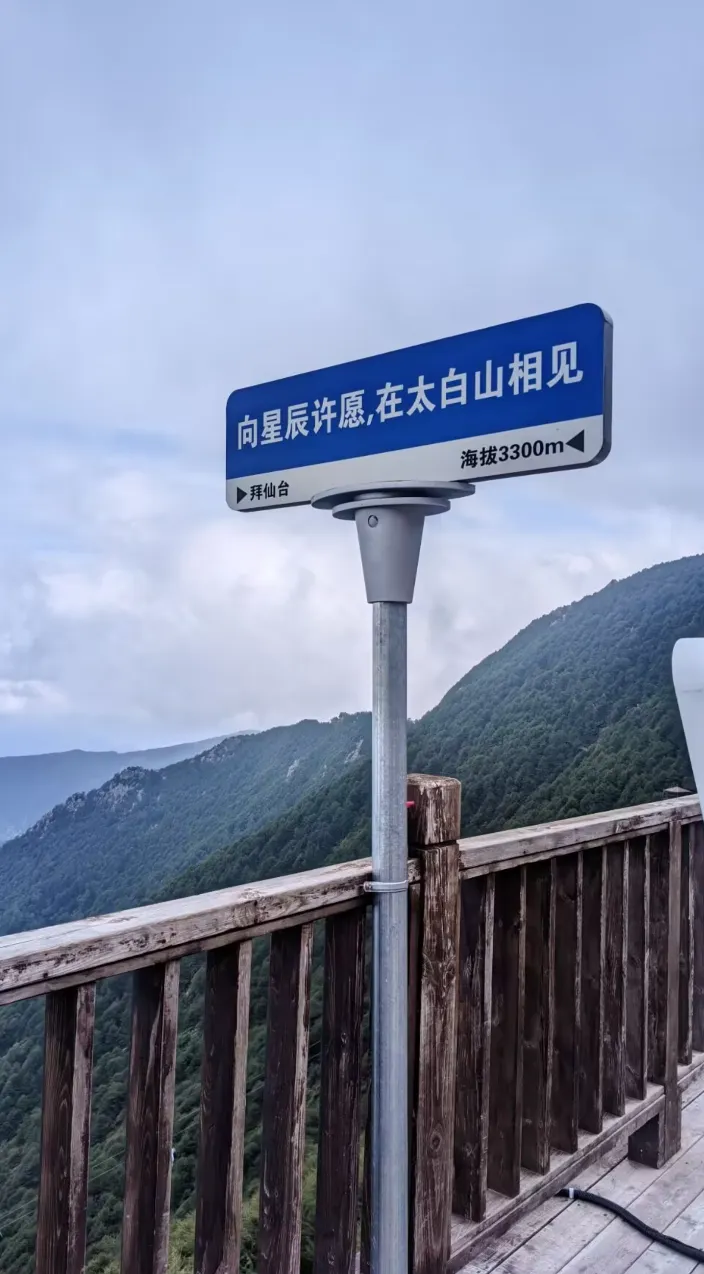
Making a wish to the stars
Clouds in the distance kept rolling and surging, as if heavy rain was about to arrive. Luckily, we were not caught in the rain that day. If it had started pouring, we might really have been trapped on the mountain.
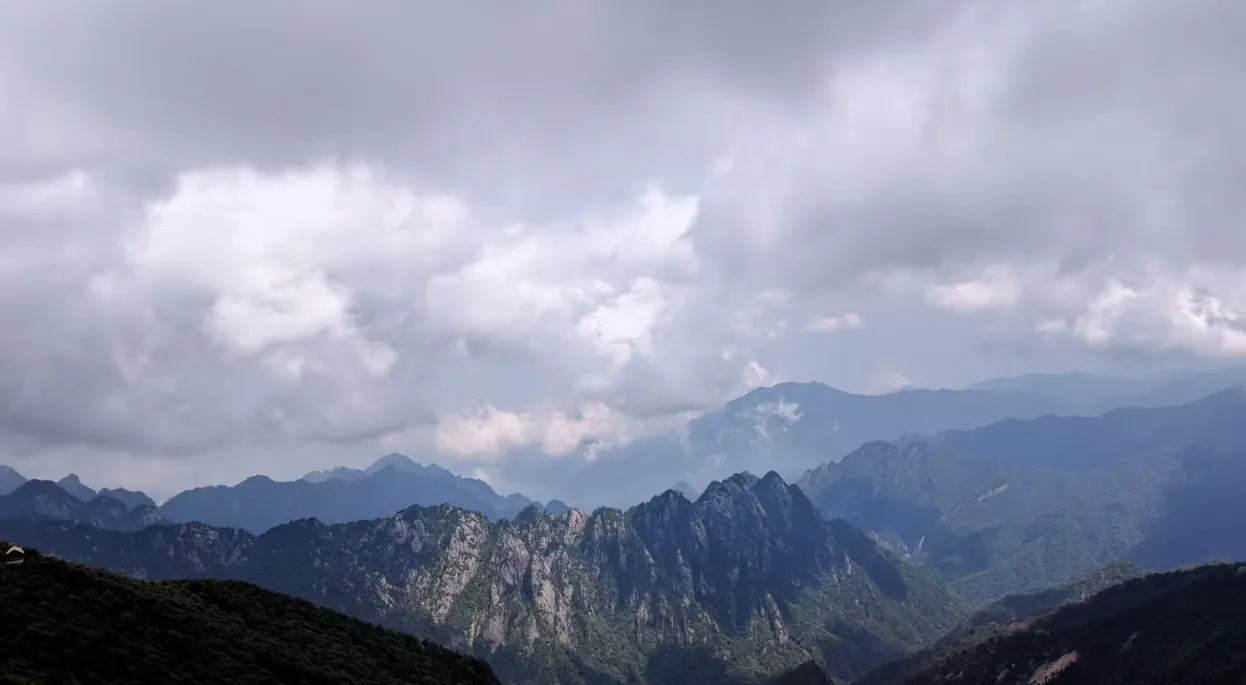
Rolling clouds
Farther down, we came across a mountain inn. A standard room was 400 yuan per night, which was not extremely expensive, but still beyond what I would casually accept. Instant noodles cost 20 yuan per bowl, and hot water was 5 yuan per cup. Almost everything on the mountain was more expensive. At that moment, I was very glad I had carried a whole backpack of food and drinks. It had been heavy, but it was absolutely worth it.
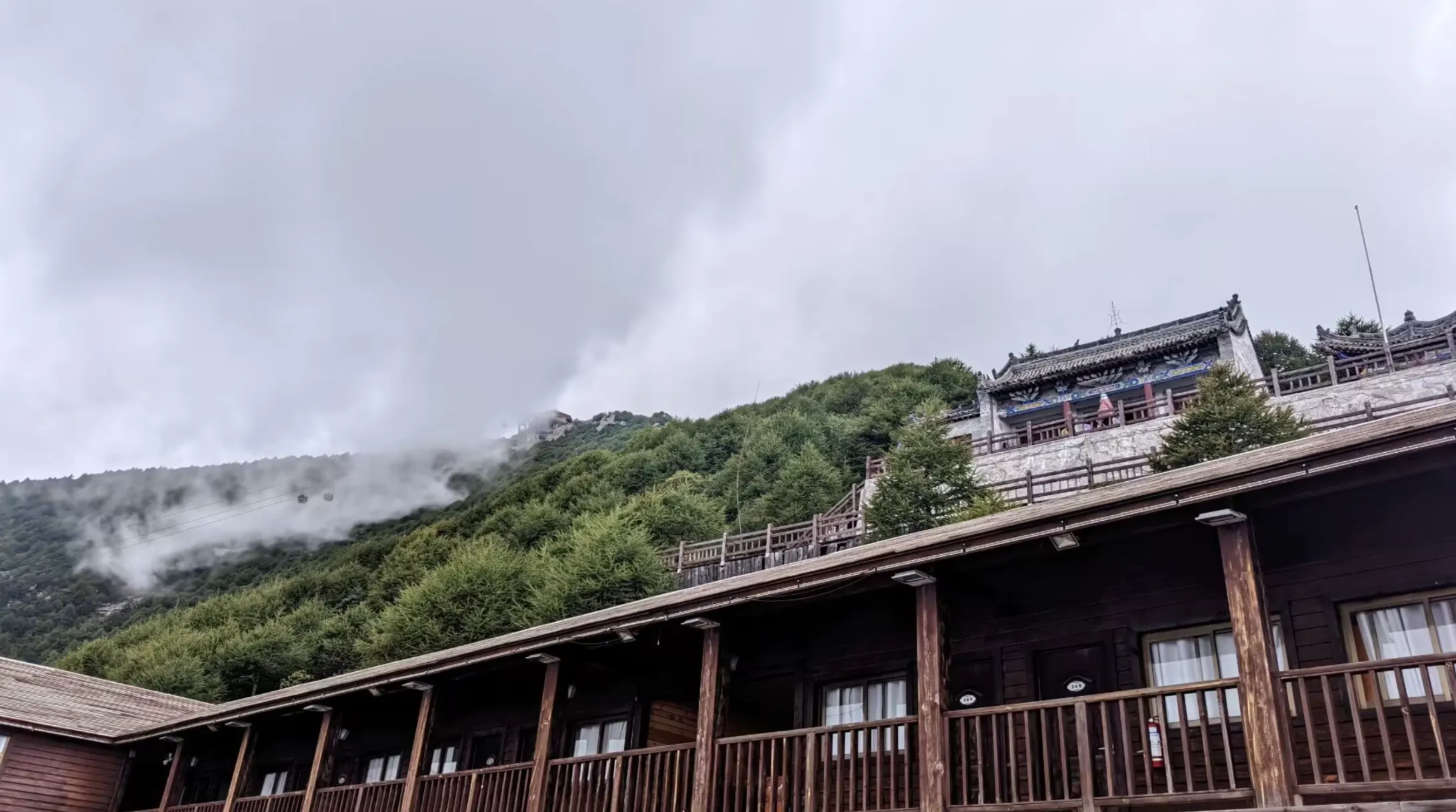
Inn halfway down the mountain
After that, our energy was nearly gone, and we hardly had the strength to take photos. We kept pushing forward until we reached Huixianping, which meant the bus station was finally not far away.
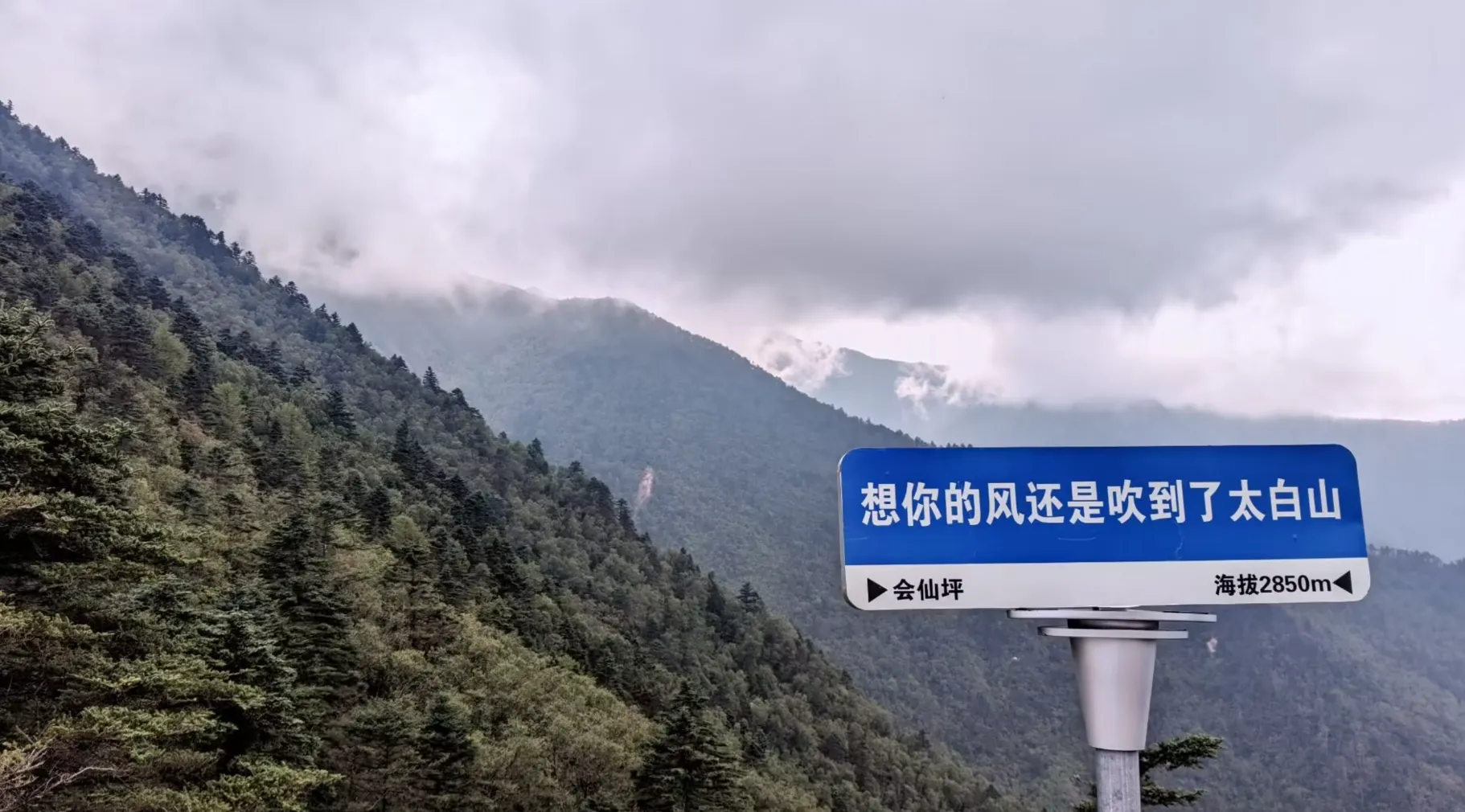
Huixianping
After passing Tiandu Gate, we finally arrived at the station. Once on the bus, everyone was completely exhausted. I leaned against the window and slowly fell asleep, not even noticing when my phone dropped to the floor. Luckily, my cousin picked it up for me. Otherwise, that would have been a big problem.
The trip back felt especially long. On the way up, everything had seemed to move quickly, but going down felt like time had slowed to a crawl, as if several hours had passed before we finally reached the end.
Back at the Guesthouse
When we finally returned to the guesthouse, we rested briefly and then went out to look for food. Eventually, we found a hotpot restaurant. Dinner that night was quite satisfying: tasty, not expensive, and the service was comfortable. I forgot to record the details, so there is not much more to say about it. After eating, we went back to the guesthouse again and fell asleep in complete exhaustion.
Famen Temple
Famen Temple, also known as Fayun Temple or King Ashoka Temple, is located in Famen Town, about 10 kilometers north of Fufeng County in Baoji, Shaanxi Province. Some believe it was first built during the late Eastern Han dynasty, in the Huan and Ling emperors’ period. It is known as the “ancestor of pagoda temples in Guanzhong.”
According to Buddhist tradition, after Shakyamuni Buddha entered nirvana, his body was cremated and relics were formed. To spread Buddhism, King Ashoka of India sent Buddha relics to different parts of the world. Famen Temple was built because of the relic, with a pagoda first established for it and the temple later built around the pagoda.
In 1987, the underground palace of Famen Temple was discovered by accident. It yielded the true finger bone relic of the Buddha, as well as thousands of rare Tang dynasty treasures, including the national first-class cultural relic known as the Eightfold Jeweled Casket, which held a shadow relic, and a bronze pagoda. The discovery shocked the world and gave Famen Temple a highly respected position in Buddhism, academia, and archaeology.
First Impressions of Famen Temple
The next morning, we got up early, washed, and drove to Famen Temple. When we arrived, the ticket price surprised me because it was even more expensive than the entrance ticket for Taibai Mountain.
The prices were as follows:
<table> <thead> <tr> <th></th> <th>Under 120 cm</th> <th>120–140 cm</th> <th>Student</th> <th>Adult</th> <th>Senior</th> </tr> </thead> <tbody> <tr> <td>Entrance ticket</td> <td>0</td> <td>50</td> <td>50</td> <td>100</td> <td>50</td> </tr> <tr> <td>Sightseeing bus ticket</td> <td>30</td> <td>60</td> <td>60</td> <td>60</td> <td>60</td> </tr> </tbody> </table>After entering, the first thing we saw was a grand gate tower with the two characters “Prajna” carved prominently on it. It looked imposing, as if speaking of the depth and wisdom of Buddhist teaching.
Because we arrived early, there were not many visitors. The misting systems on both sides had just started, and the vapor surrounded the lotus platforms, making the whole area feel peaceful and almost otherworldly.
Passing through the gate and walking slowly along the corridor, the view suddenly opened up. On both sides stood the solemn Eighteen Arhats, dignified and powerful, like loyal guardians watching over Shakyamuni Buddha day and night. They seemed to symbolize the boundless strength of Buddhism and its eternal protection.
Around the sides of the pagoda area were many statues, including Ksitigarbha Bodhisattva and Guanyin Bodhisattva. Each statue was finely carved and carried deep historical and religious meaning. These bodhisattvas have long held important places in Buddhist belief, guarding the hearts and faith of worshippers.
Exploring the Underground Exhibition
Continuing inward, the pagoda of Famen Temple came into view, standing tall and solemn above the earth as if protecting the sacred ground beneath it. We happened to arrive when the underground exploration exhibition was temporarily open for free, so we went in without hesitation.
The exhibition guided us through the process by which the Shakyamuni Buddha relic was discovered. Seeing it this way made the history easier to understand and made the depth of Buddhist culture feel more tangible.
According to the guide, when the finger bone relic was unearthed, two shadow bones were found with it. These shadow bones were made as protective substitutes against theft, but they cannot simply be dismissed as “fake.” All three relics had been enshrined beneath the pagoda, and their status was equal.
Besides the finger bone relic, we also saw many valuable cultural relics, such as the twelve-ring khakkhara staff. Since this is an important Buddhist sacred site, we avoided taking photos in many areas out of respect, especially around Buddha statues. In those places, we chose to experience things with our hearts rather than through a camera lens.
Famen Temple once collapsed during an earthquake in the Ming dynasty. After enduring centuries of wind and rain, it was repaired in the 1980s. The present temple was rebuilt on the original site while preserving the essence of the underground chamber. Every clay figure seemed to tell a thousand years of history. Though the structure had once fallen, Famen Temple now stands again, and it has been praised by some as the ninth wonder of the world, symbolizing the enduring power of history and faith.
We also saw a miniature model of the Tang dynasty Famen Temple complex known as the Guilin Palace Twenty-Four Courtyards. Its scale and grandeur were astonishing. People say that when it was opened, “the whole flourishing Tang appeared.” The palace model clearly showed the extraordinary skill of ancient craftsmen and the brilliance of the High Tang period.
Near the True Relic Pagoda
Because the True Relic Pagoda houses many precious cultural relics beneath it and undergoes maintenance year-round, it is not open to visitors. We could only walk clockwise around the pagoda a few times, silently praying for peace and good fortune.
Behind the pagoda stands the Mahavira Hall, where a statue of Shakyamuni Buddha is enshrined. Visitors can receive three sticks of incense for free and offer them respectfully to the Buddha in the hall, expressing reverence and hopes for a better life.
The Namaste Dagoba
At last, we reached the Namaste Dagoba, where the true finger bone relic of Shakyamuni Buddha is enshrined. The tower rises high, and under the sunlight the building appears especially solemn and quiet, almost blending into the surrounding landscape. Even as ordinary visitors, we could not help being drawn in by the weight of history.
Standing before the tower, there was a sense of solemnity built up over time. This is not only a religious site, but also a bridge between the past and the present. Looking into the distance, mountains surround the area, and the tower stands calmly beneath the sky. We stopped there for a while, feeling a quietness that seemed to come from ancient times.
Inside the tower, the first figures we saw were the Four Heavenly Kings: Dhritarashtra, Virudhaka, Virupaksha, and Vaishravana. Holding their ritual objects, they looked majestic and serious, as if protecting this sacred place. In front stood Maitreya Buddha, with a kind face and broad smile, seeming to welcome every worshipper and visitor.
Farther inside, the main hall opened up before us. At the center sat a magnificent statue of Shakyamuni Buddha, solemn and dignified, looking down upon the world. Around it were 81 Buddha statues, each vivid and distinct in expression, showing the richness and variety of the Buddhist world. Countless smaller Buddha figures were embedded across the walls in layer upon layer, creating the impression of ten thousand Buddhas worshipping together. The visual impact was overwhelming and made the vastness of Buddhist teaching feel immense.
The hall was quiet and solemn. Several golden trees stood inside, covered with prayer cards written by visitors. The leaves shimmered in the soft light, and every card carried a wish or blessing. When a breeze moved through, the cards swayed gently, as if those hopes were being carried somewhere far away. In that dignified hall, the Buddha statues and prayers formed a scene filled with sacredness and peace.
Leaving Famen Temple
By the time we finished walking through Famen Temple, there was no sense of regret. Even though our legs still hurt badly from climbing Taibai Mountain the day before, we persevered and walked through the entire scenic area, experiencing the solemnity and calm of this ancient temple.
After leaving the temple, we started looking for lunch. Food inside the scenic area was expensive. Even an ordinary baijimo cost 10 yuan, which made us sigh again at scenic-area prices. In the end, we found a simple restaurant outside the scenic area, finally sat down properly, and enjoyed a good lunch. Our bodies were tired, but we felt satisfied.
Going Home
After lunch, our three-day vacation officially came to an end. The two families got into the cars, dragging our exhausted bodies along with us, and set off for home. The whole journey was 129 kilometers via the Lianhuo Expressway. Outside the car window, the scenery gradually changed from green mountains and ancient temples back into familiar city streets.
After about two hours, we finally arrived home. The moment I got back, all the fatigue seemed to rush in at once. The first thing I did was take a shower to wash away the dust and tiredness of the trip. After that, my whole body finally relaxed. Then we fell asleep almost immediately, enjoying the rare quiet and comfort after traveling.
The trip was short, but it left behind many moments that were hard to forget. Taibai Mountain gave us cold wind, deep valleys, cloud seas, mist, snow, endless stairs, and the kind of exhaustion that makes you feel the size of nature. The cable car made our hearts race; the mountaintop made us feel small; the long road down tested our legs and patience.
Famen Temple gave the journey a different kind of weight. Standing before the pagoda, making quiet wishes, walking through the hall of countless Buddhas, and seeing prayer cards hanging from golden trees all brought a sense of calm that daily life rarely offers.
Travel always ends, and soon enough everyone returns to ordinary routines. But the cool wind of Taibai Mountain and the solemn atmosphere of Famen Temple will probably stay in memory for a long time, occasionally resurfacing with a bit of warmth and a smile.