Last Sunday, on November 3, I suddenly felt like looking at Song-era artifacts, just to sit with that particular kind of beauty the period carries: spare, flowing, crisp, and clean. Chengdu Museum is only about five or six hundred meters from where I live, so I made a reservation and went without much planning.
I often wonder why the Song dynasty developed this kind of aesthetic. Was it a reaction against the dazzling richness of the Tang, as if people had simply grown tired of splendor and wanted a different taste? Or was it because the Song lived under long material and political strain, and simplicity became part of everyday life?
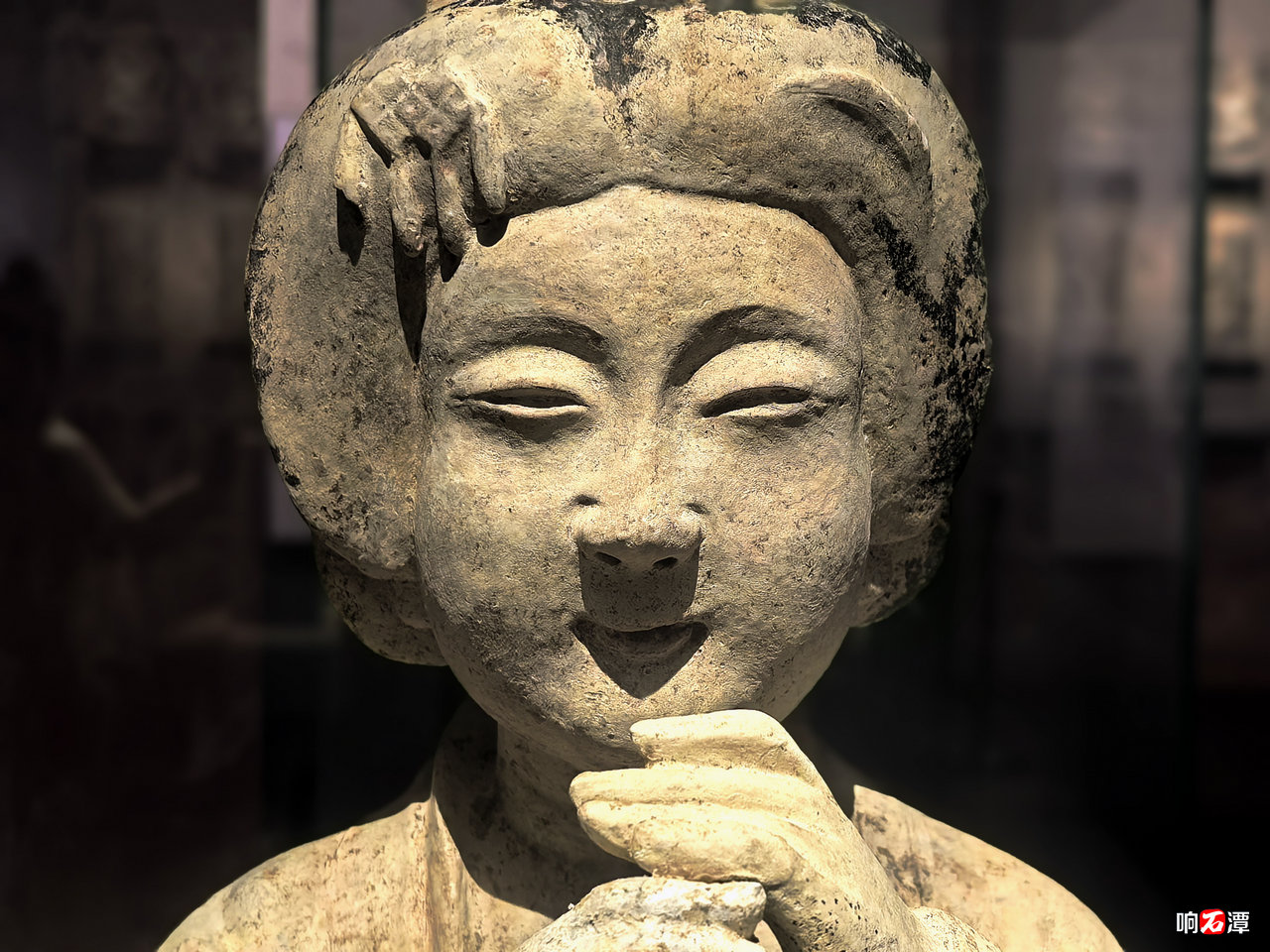
Among the objects on view were more than a dozen musician figurines, each about half a meter tall, excavated from the tomb of Zhao Tingyin of Former Shu during the Five Dynasties and Ten Kingdoms period. What caught me first was their faces. Each wore a faint smile, poised and elegant, with a calm dignity that still reads clearly after a thousand years.
Zhao Tingyin was a major general of Former Shu, and the pottery figures buried with him must have reflected some part of the world he lived in. Looking at them, I could not help wondering whether they had been modeled after real performers. Zhao Tingyin died in 950 CE. That was 1,074 years ago, yet the human sense of beauty recorded in these faces does not seem foreign at all.
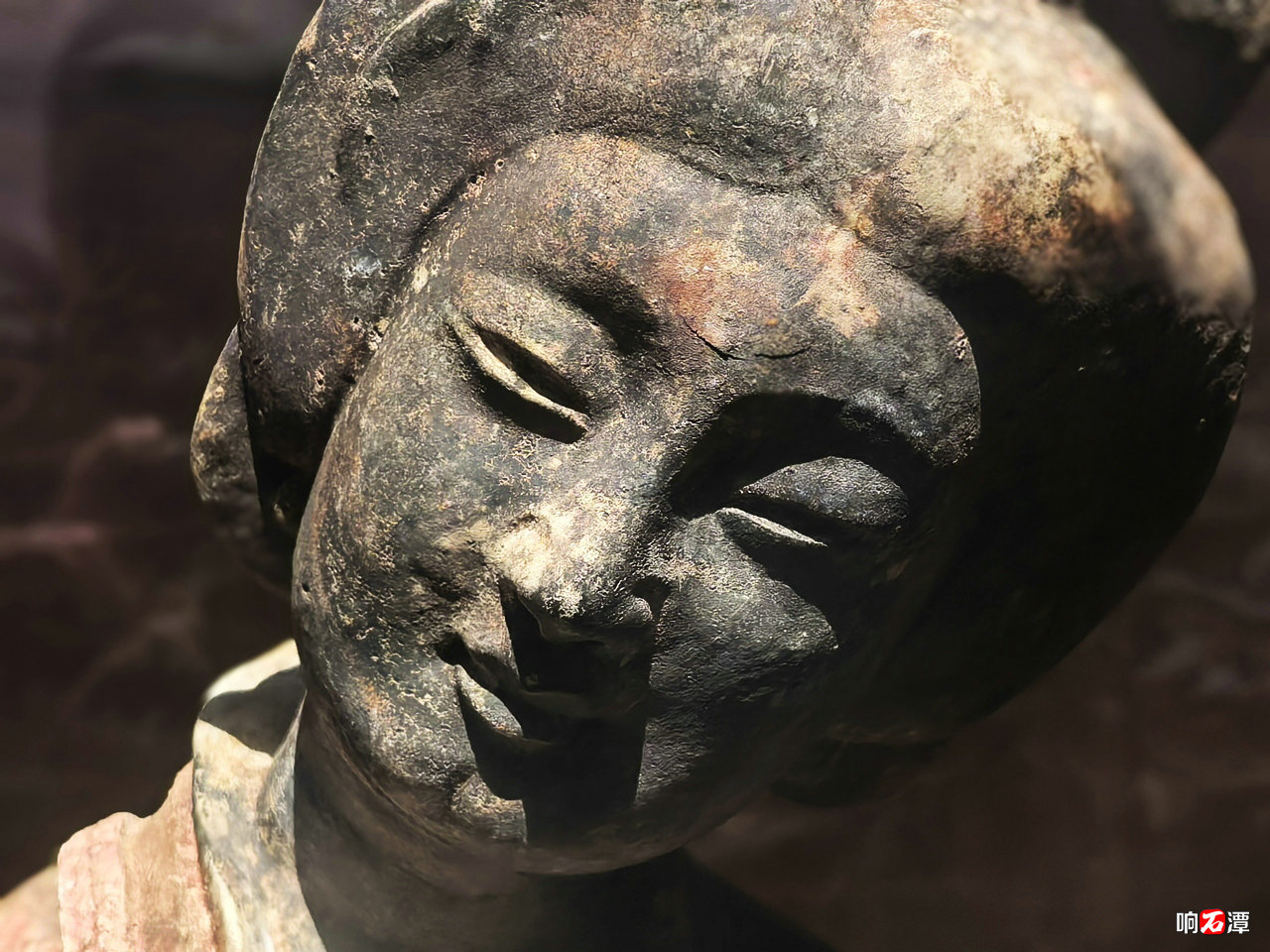
Some of the clay figures are darkened, as though scorched by fire. Others still preserve bright patches of pigment. From that, you can imagine how vivid and ornate they must have looked when they were first placed in the tomb. People at the time lived among such colors and such objects.
Across the centuries, the material world has changed beyond recognition, but the basic core of being human has not changed at all. Love and resentment, attachment and grief, desire and thought—none of it is really different. Only the outer shell keeps changing. Houses become thatched huts, then pavilions and upper chambers, then modern buildings. But the one living inside is still the same person.
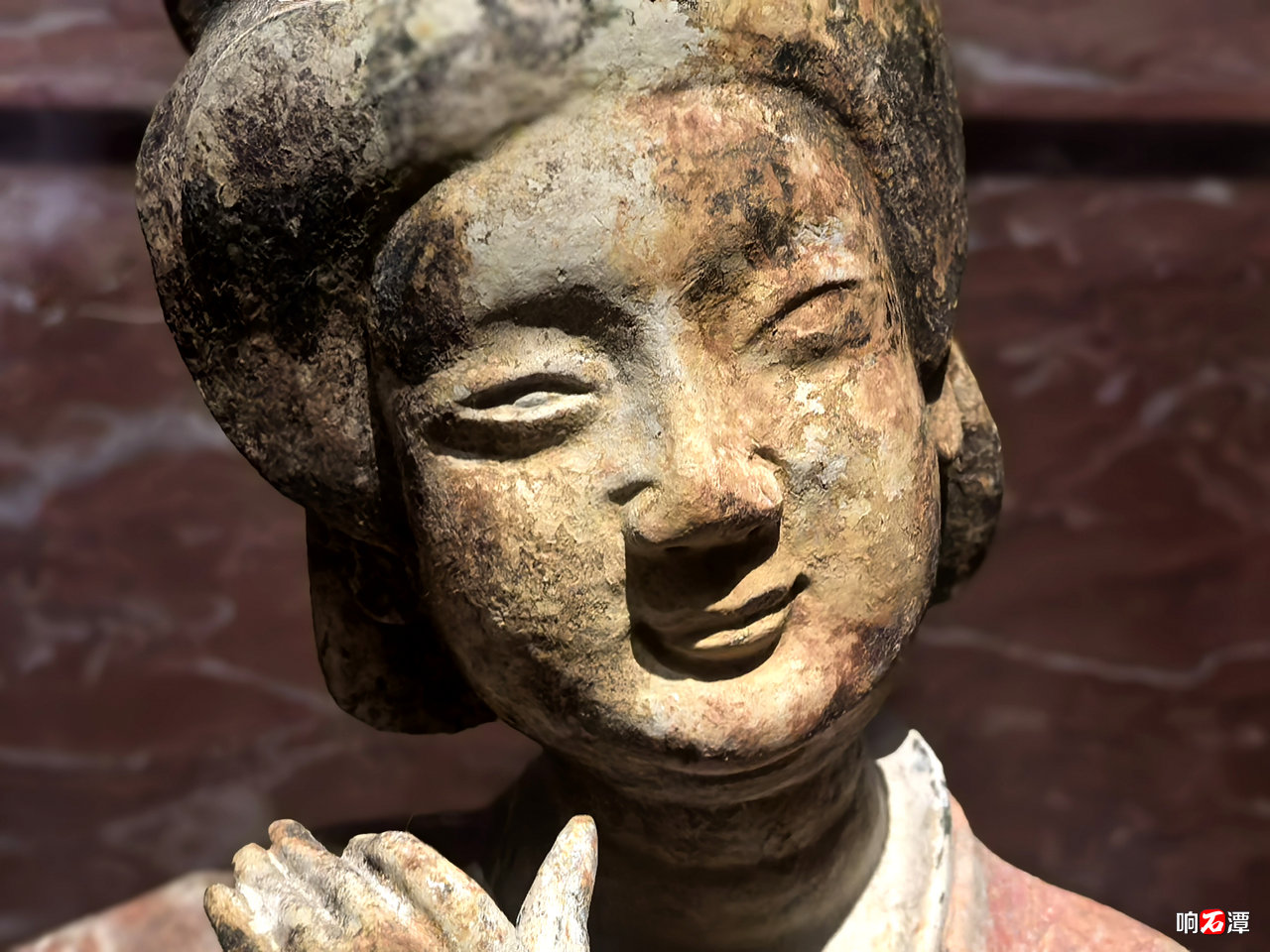
The faces themselves are beautiful in another way too: still graceful, but with some fullness to them, not the thin, angular, almost sharpened look that often dominates modern taste. The aesthetic feels more natural. Human genes continue from age to age; people of different eras and different ages keep circling around the same concerns in their minds, again and again, without end.
And really, what more is there to ask for? A simple life, and after death, to be returned to the earth and not wake again. For people now, even burial in soil can feel like a luxury. More often one is reduced to ashes and scattered back into the ground. From that angle, the ancients may actually have had something better.
After the Five Dynasties and Ten Kingdoms came the Song. If all the chaos of history is still, in the end, driven by human beings and their inherited impulses, then beneath all the layers—status, ritual, ambition, disguise—the core remains the same. If so, why suffer so much under all that weight? Why not be simpler? Is that not what people mean when they say the deepest flavor in life is plain delight?
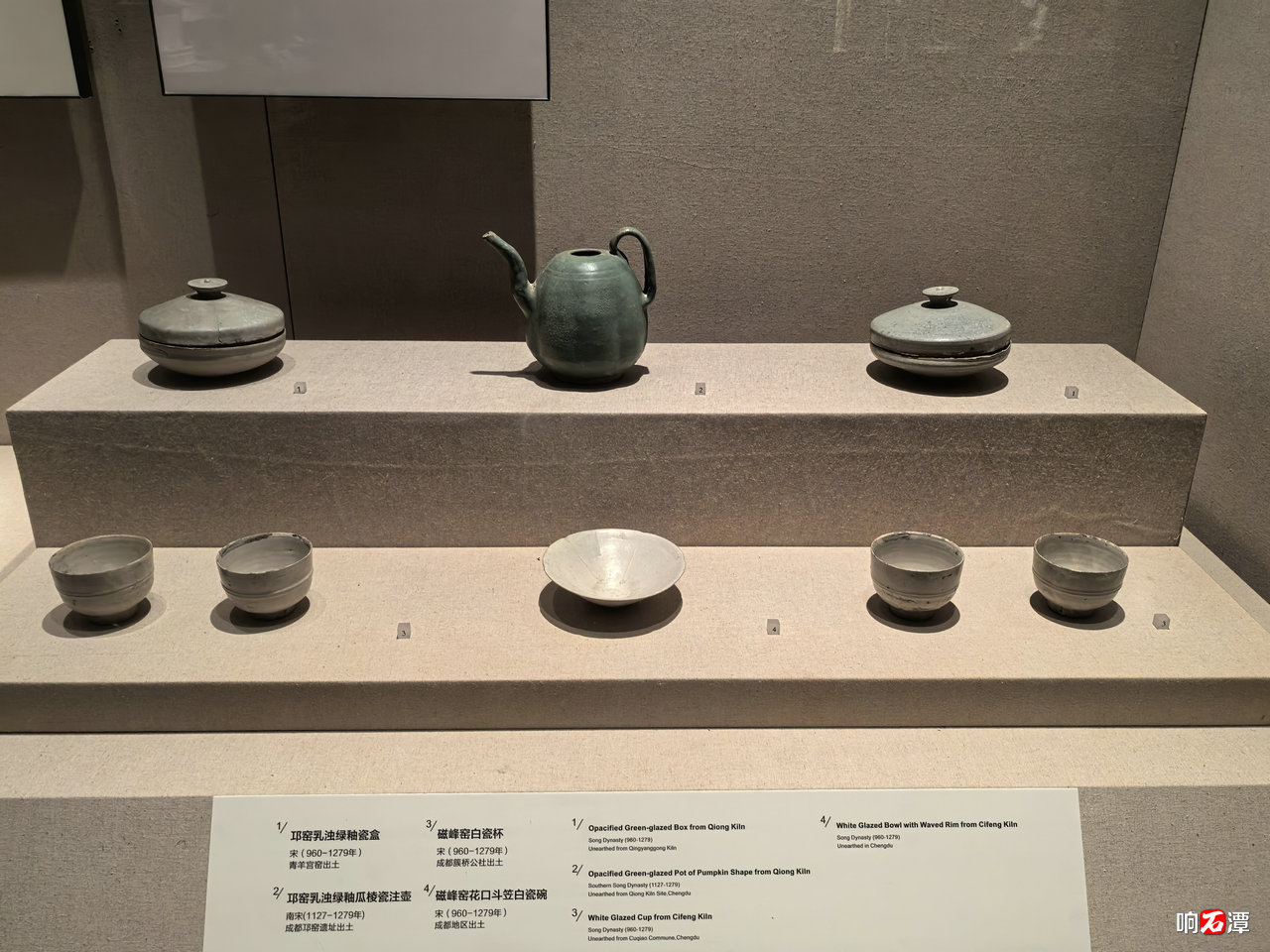
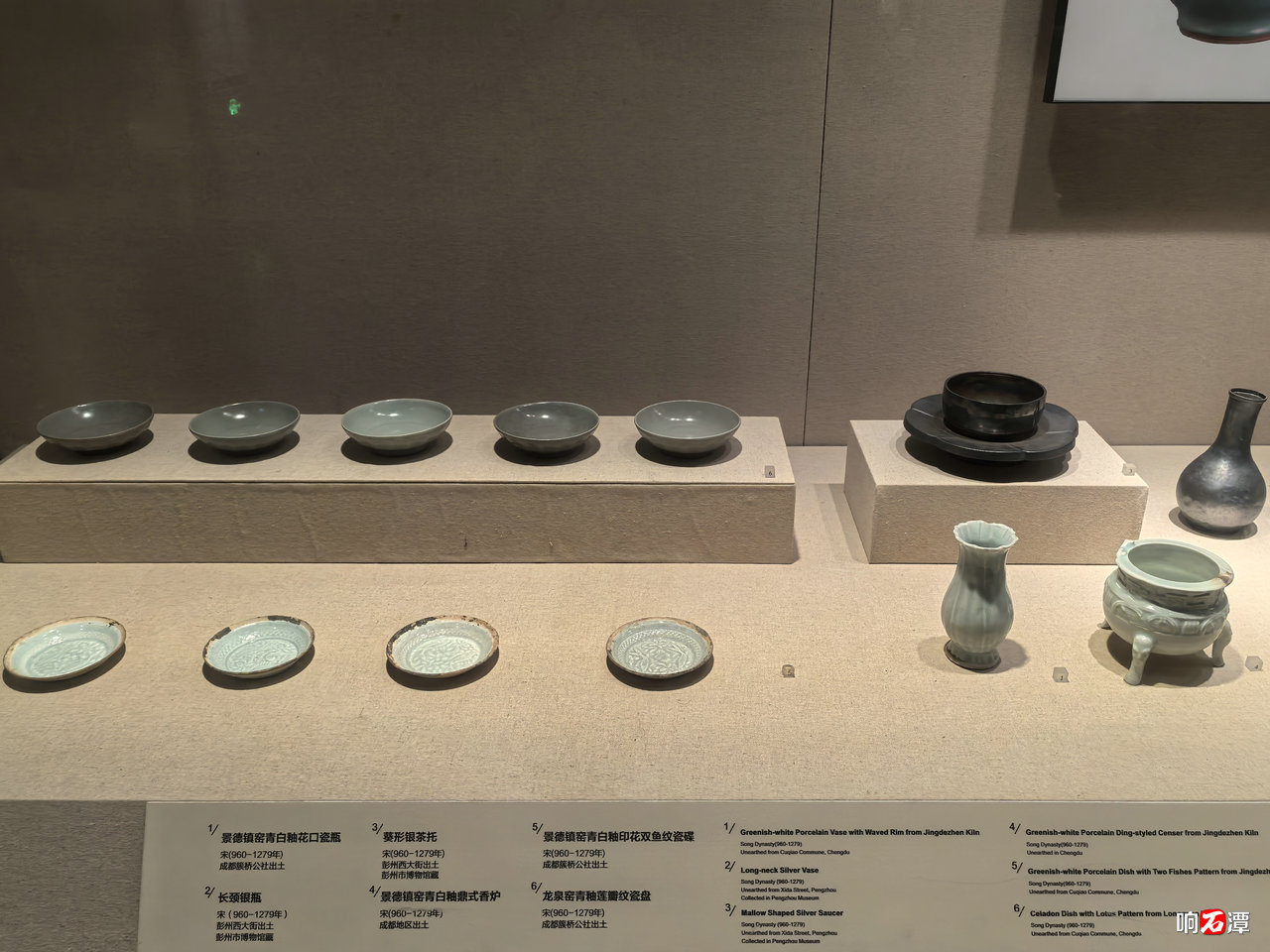
Seen from that angle, the Song ceramics in the gallery began to feel different to me, as if I were in conversation with them: a basin, a bowl, a jar, a wine vessel. So simple, and so beautiful.
At that point I realized I was about to be late for work, so I had to stop thinking and leave. Maybe I was getting a little carried away. Still, that clarity of Song beauty stayed with me.