Welcome to Dragon Restaurant is a geopolitical film with almost no geopolitics on its surface. There are no sweeping battle scenes, no breathless plot twists, no grand speech about which side is right. Instead there is a small Chinese restaurant in a war-torn foreign country, a cook trying to keep the stove lit, and a bowl of food that has to do the work of an argument. That is exactly why it feels so singular—and so hard to imagine being made anywhere else.
Many viewers have recognized its anti-war core and its compassion for people adrift in a broken world. What is easier to miss is the Chinese stance and the broader national outlook tucked beneath all that steam and smoke. The film's most impressive move is that it makes these things look effortless. It never climbs onto a soapbox. It never picks a side for the audience. It never flatters anyone. It just lets a Chinese restaurant in wartime carry the weight.
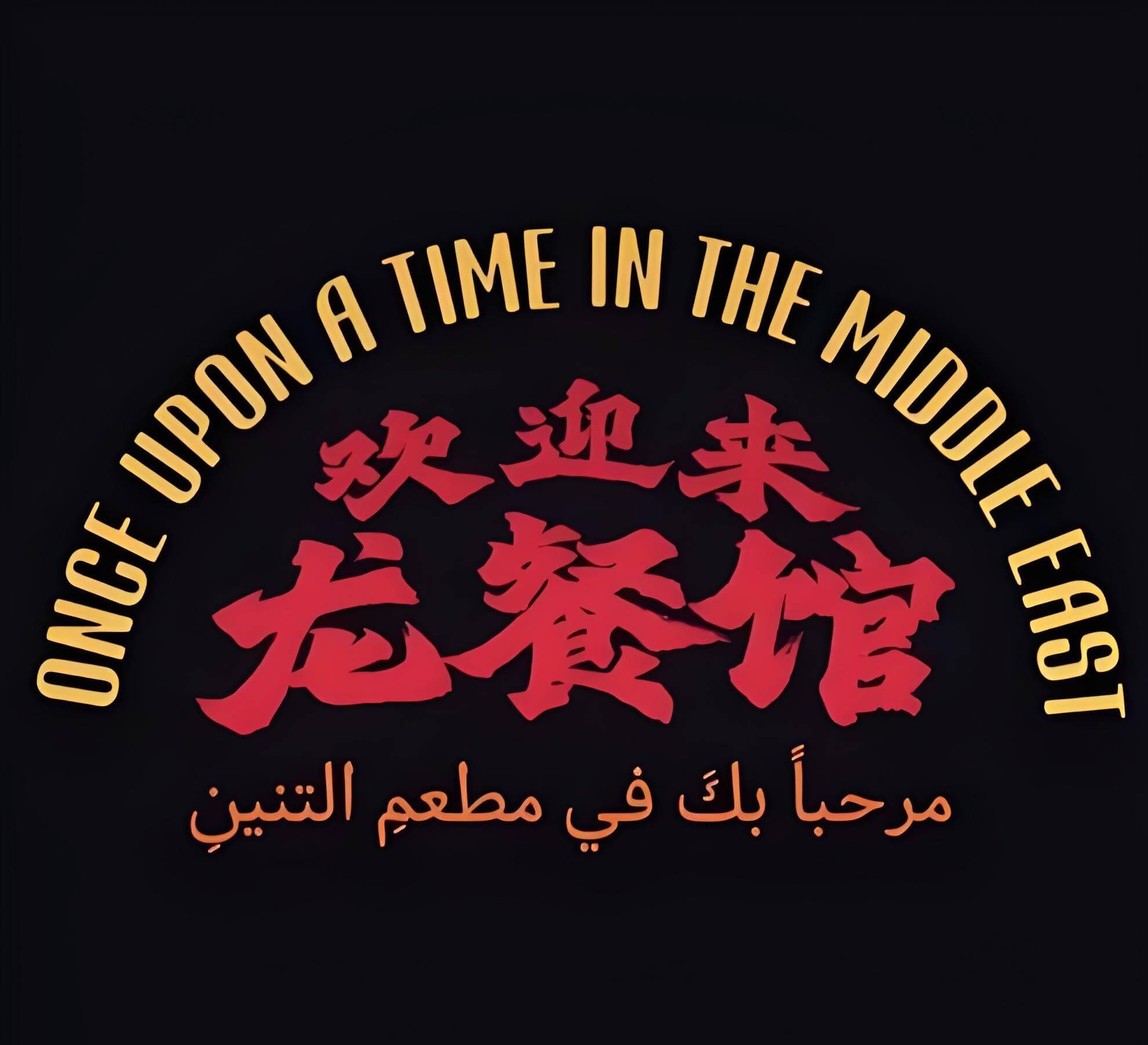
Unlike most films in this vein, which tend to see war through official channels or the eyes of soldiers, Welcome to Dragon Restaurant grounds its grand national perspective in the most ordinary civilian life. Shen Teng's Xu Fu has no halo around him. He is not a savior. He is a Chinese chef who has gone abroad to make a living, a man who does not understand complex international bargaining or political intrigue. What he wants is small and concrete: run a decent restaurant, earn a stable income, live a steady life.
The film's most effective metaphor is that food is human feeling, and the smoke of a kitchen is peace. Gunfire kills and divides. A meal warms and connects. A table of carefully prepared food, even when the ingredients are plain, can help desperate people remember what hope feels like. The line that captures the whole film—and a certain kind of Chinese wisdom—is the one about the ladle and the gun: “The one holding the ladle can make people open their mouths; so can the one holding a gun.” Force can subdue a body. Only gentleness and goodwill can win over a heart.
In a place where order has collapsed and good and evil blur, the restaurant protects the simplest and most universal values: eat well, live well, every life is equal. There is no political jargon here, no dense philosophical debate. The old Chinese faith that food is heaven for the people is given its heaviest meaning. A hot meal is not just something to fill the stomach. In a war zone it is a form of rescue, and for ordinary people it is the last shred of dignity and footing.
The film's restraint is just as important as its warmth. It does not target anyone, force a point, or pander. It does not set out to condemn one side, beautify another, or manufacture hostility. Faced with a tangled geopolitical conflict, it refuses black-and-white judgment. It steps outside narrow camp thinking and looks from the angle of the human being, with compassion for all ordinary people swept up in a war they did not design.
That narrative outlook is difficult to imagine in a comparable Hollywood film. Hollywood tends to build heroes, divide the world into camps, and stress redemption and conquest; it carries a strong sense of superiority and purpose. The Chinese storytelling in Welcome to Dragon Restaurant is inclusive rather than conquering, reconciliatory rather than oppositional, self-healing rather than self-advertising. It does not fight for attention or bow to anyone. It simply shows a Chinese way of moving through the world: keep your conscience in chaotic times, and stay kind after the storms.
Nothing about that message is shouted. The film puts a hot meal on the table and lets it speak.