A spare day in Quzhou, and one surprisingly good choice
At the end of May, I went to Quzhou for my younger sister’s wedding. The ceremony was on Saturday, and since I’d been drinking that day, heading straight home wasn’t really an option. That unexpectedly left me with one extra day to explore.
With only a short window and too many places to choose from, I picked just one destination: Gen Palace Buddha Country in Kaihua County. I didn’t go in with especially high expectations, but it turned out to be far more interesting than I thought.
What kind of place is Gen Palace Buddha Country?
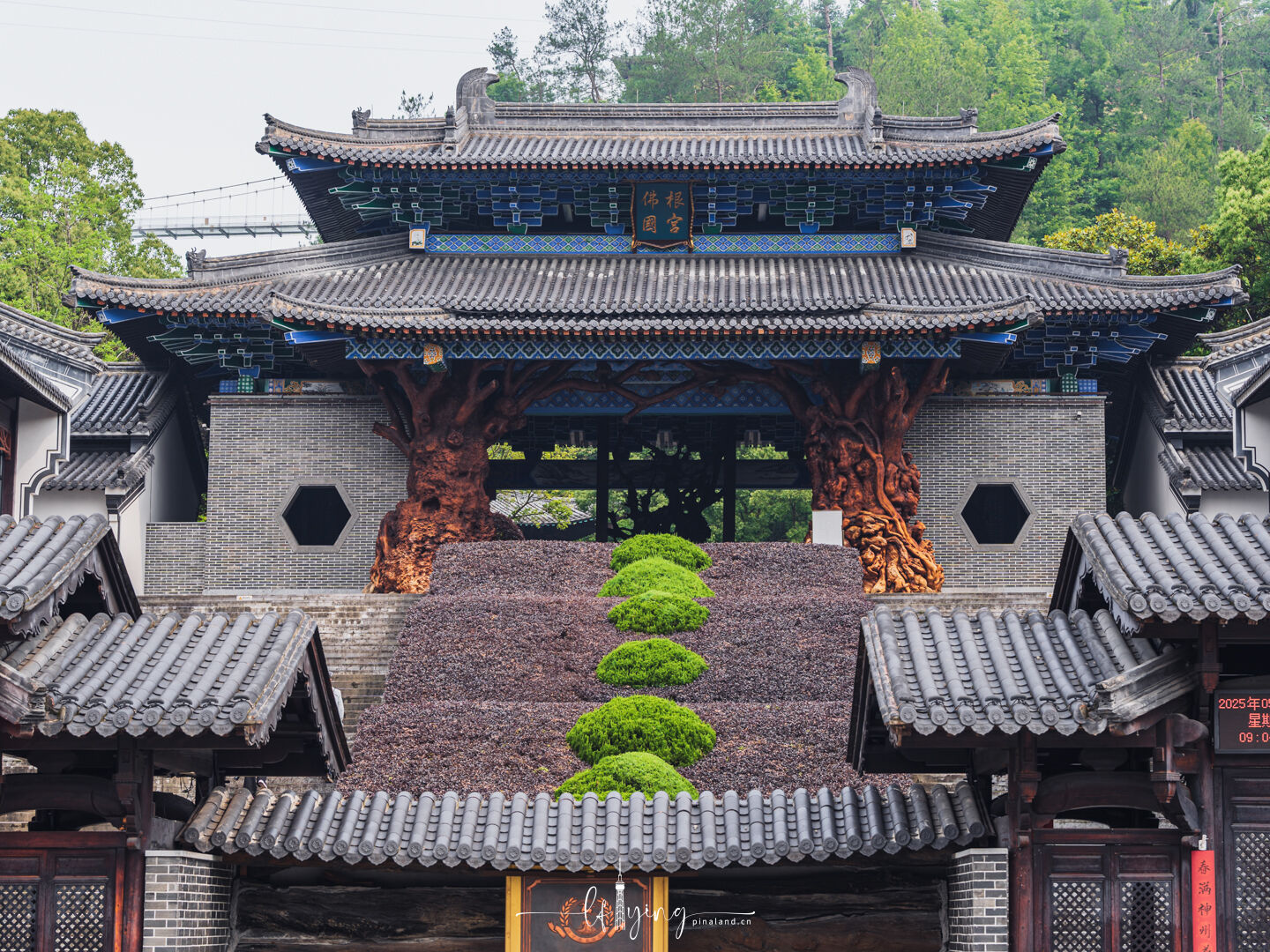
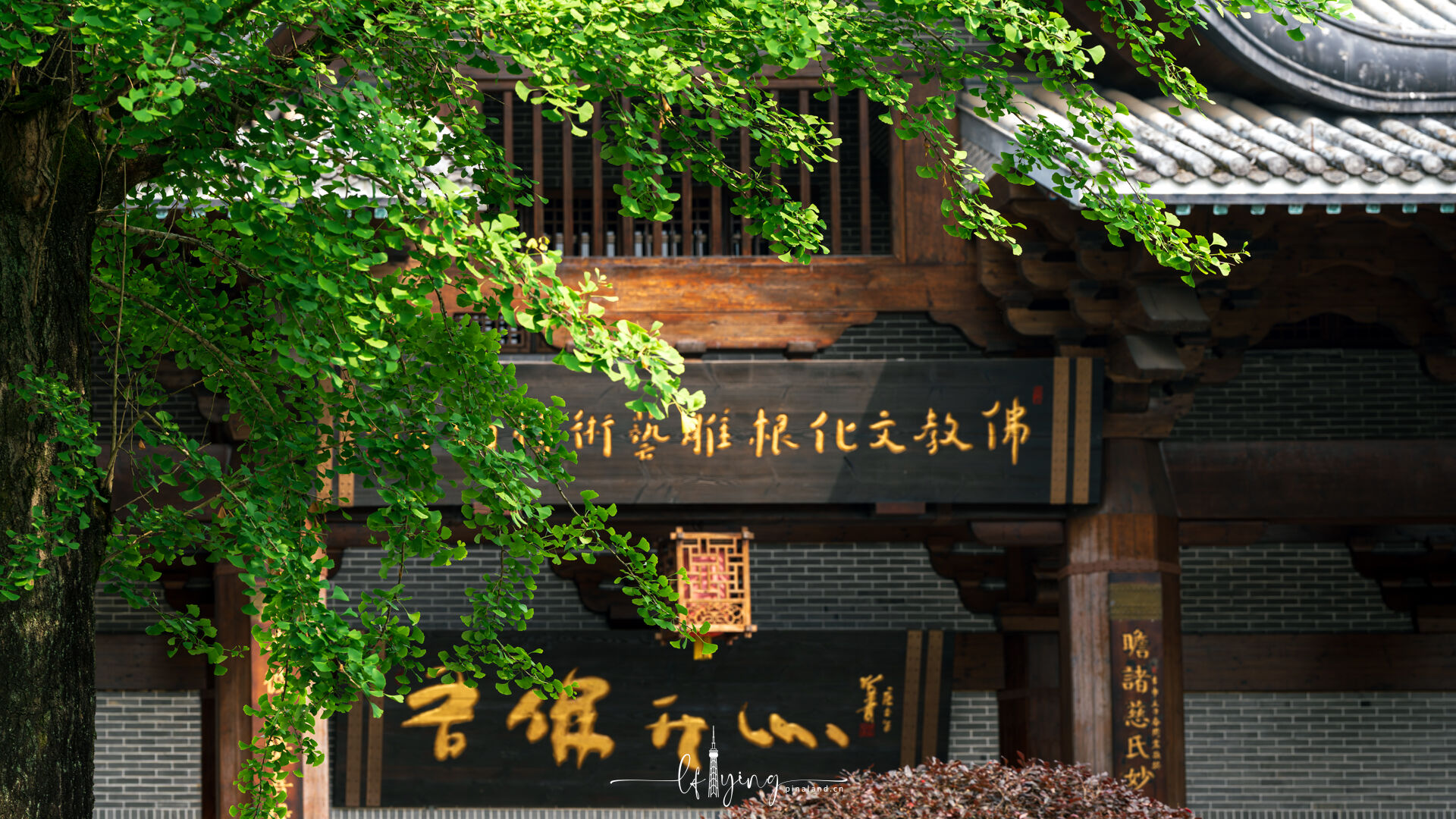
Gen Palace Buddha Country is in Kaihua, under Quzhou, and it’s a national 5A scenic area. It also describes itself as the world’s only root-culture-themed tourist destination—which, to be fair, is its own claim. The scenic area covers about 3.03 square kilometers and is divided into several parts, including Qingmei Garden, the Buddhist Culture Root Carving Art Museum, Gen Palace Buddha Pagoda, Zuijing Garden, the Chinese Culture Root Carving Art Museum, and Tongqu Garden.
Every section had something to look at, but the biggest surprise for me was Tongqu Garden. From the name alone, I had assumed it was some kind of children’s play area. It absolutely was not.
The pagoda on the hill
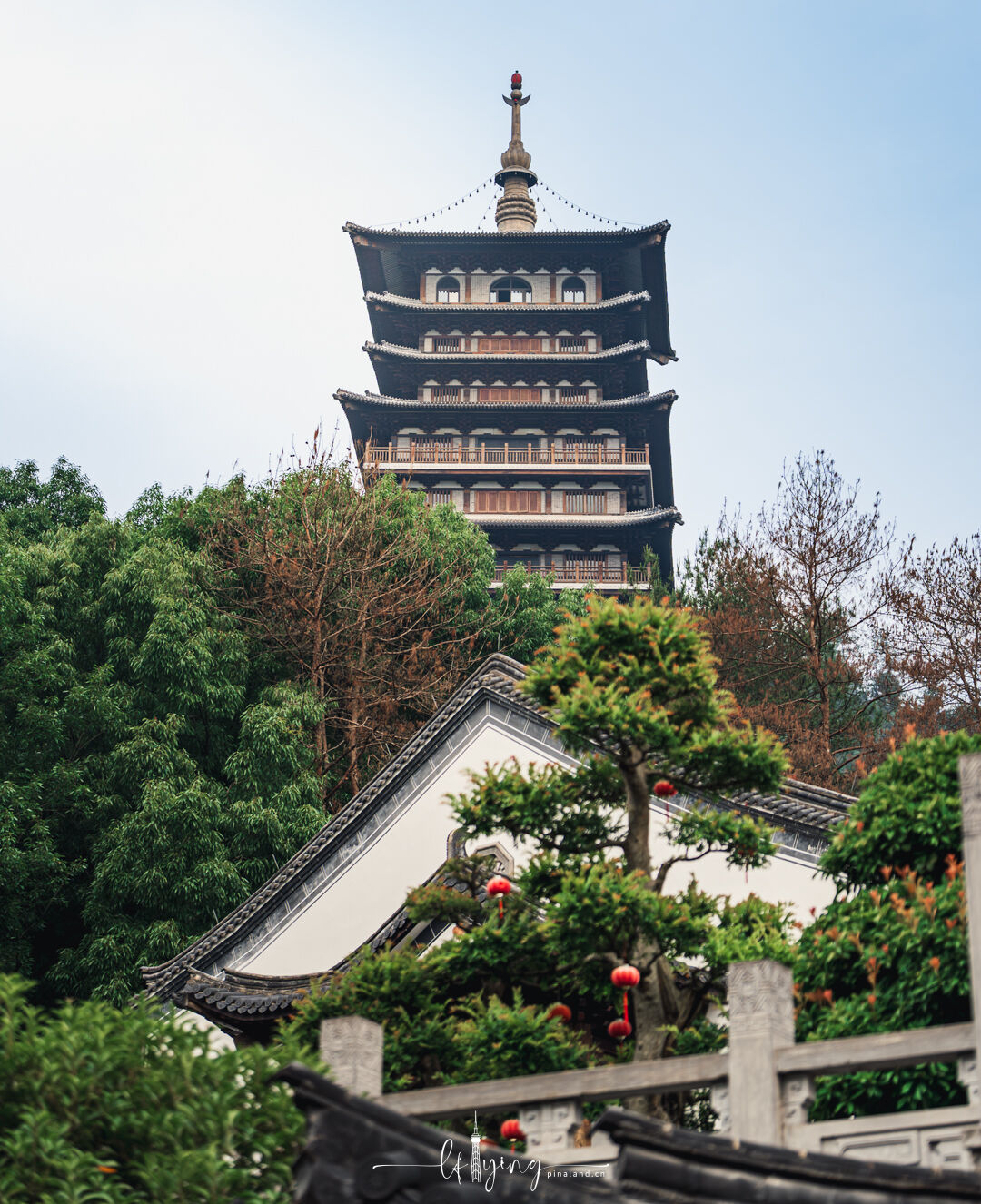
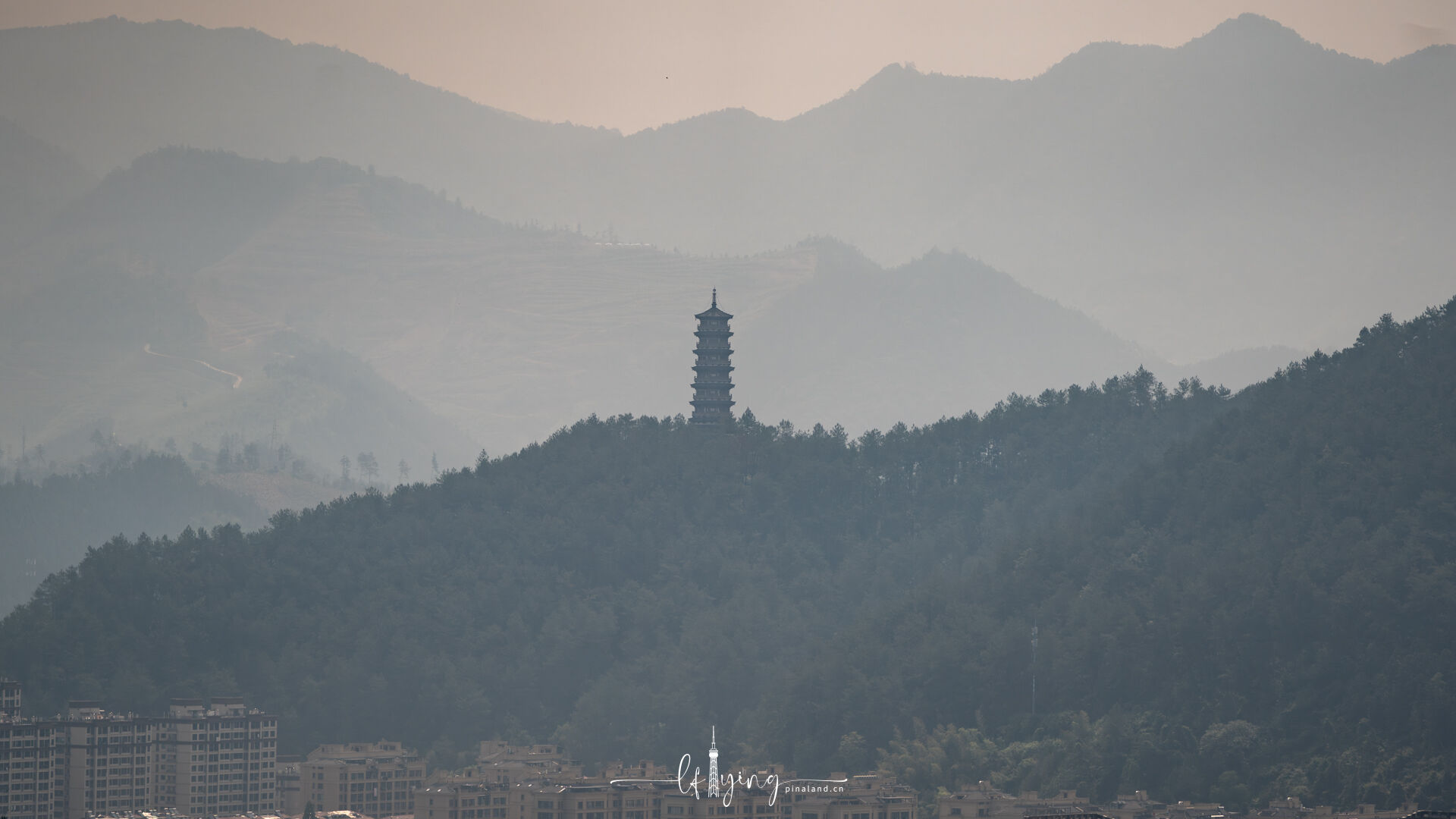
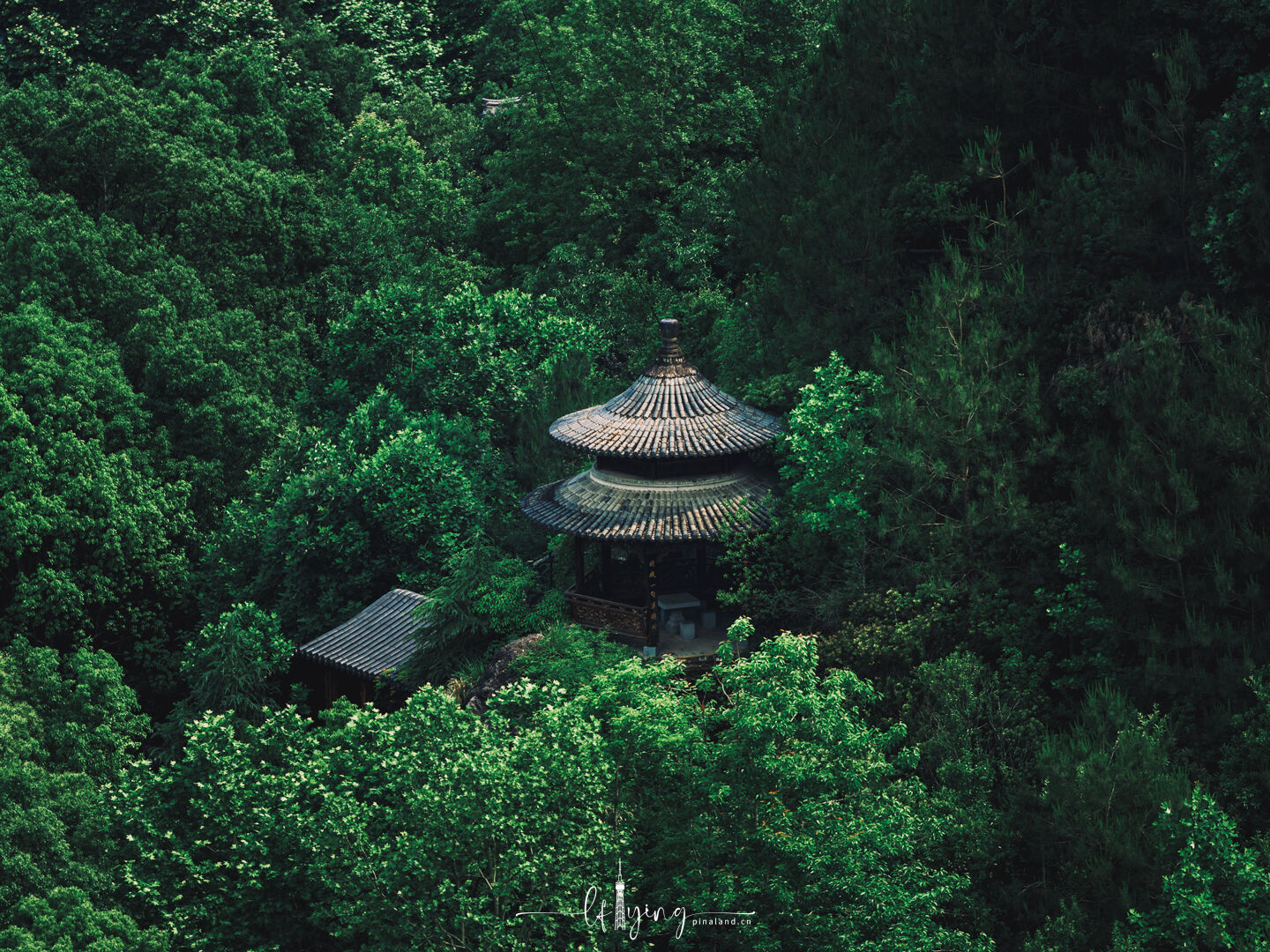
As soon as you enter through the main gate, the first thing you notice is the tall pagoda standing on the hill to the left. I more or less hurried straight over.
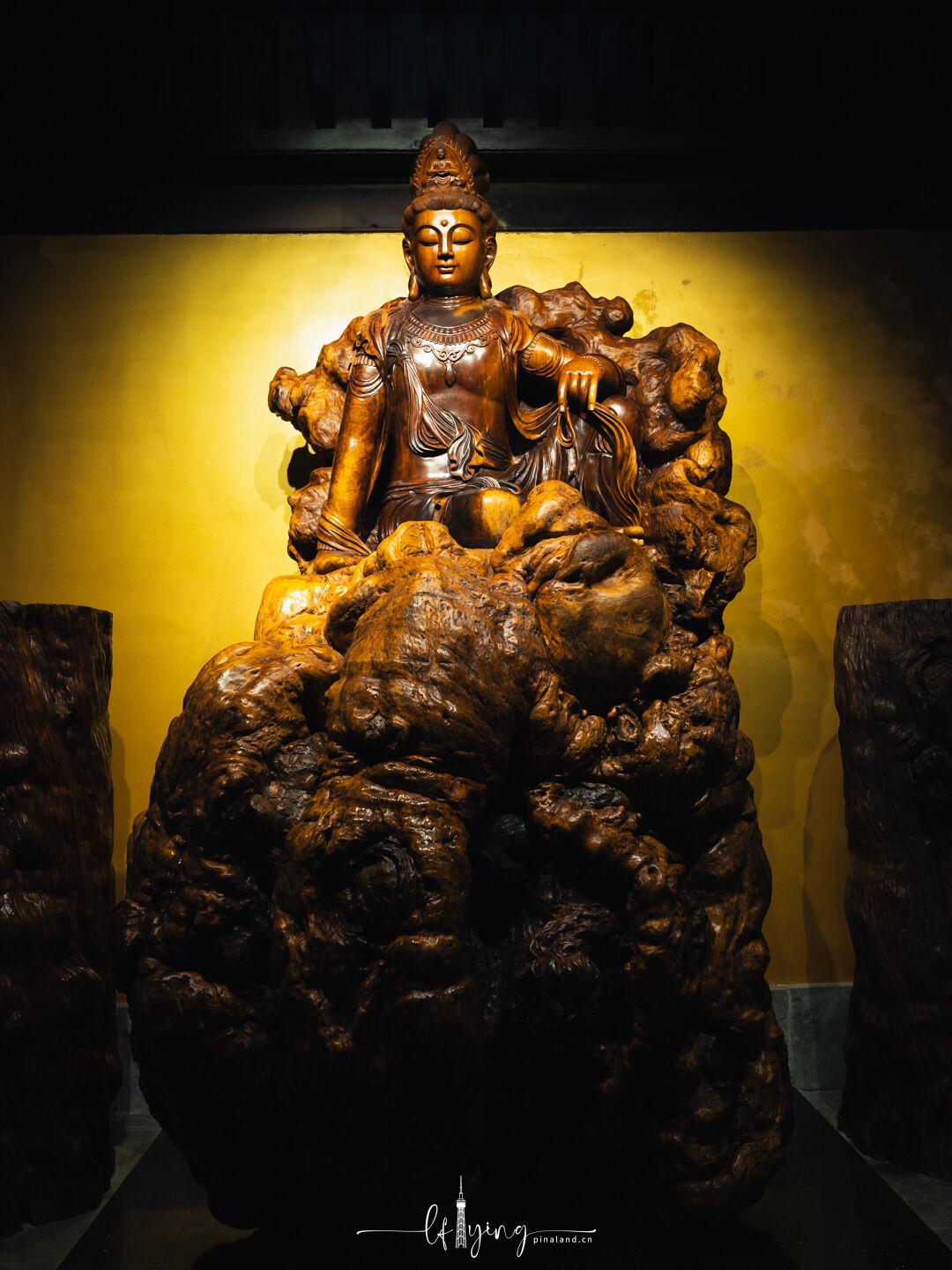
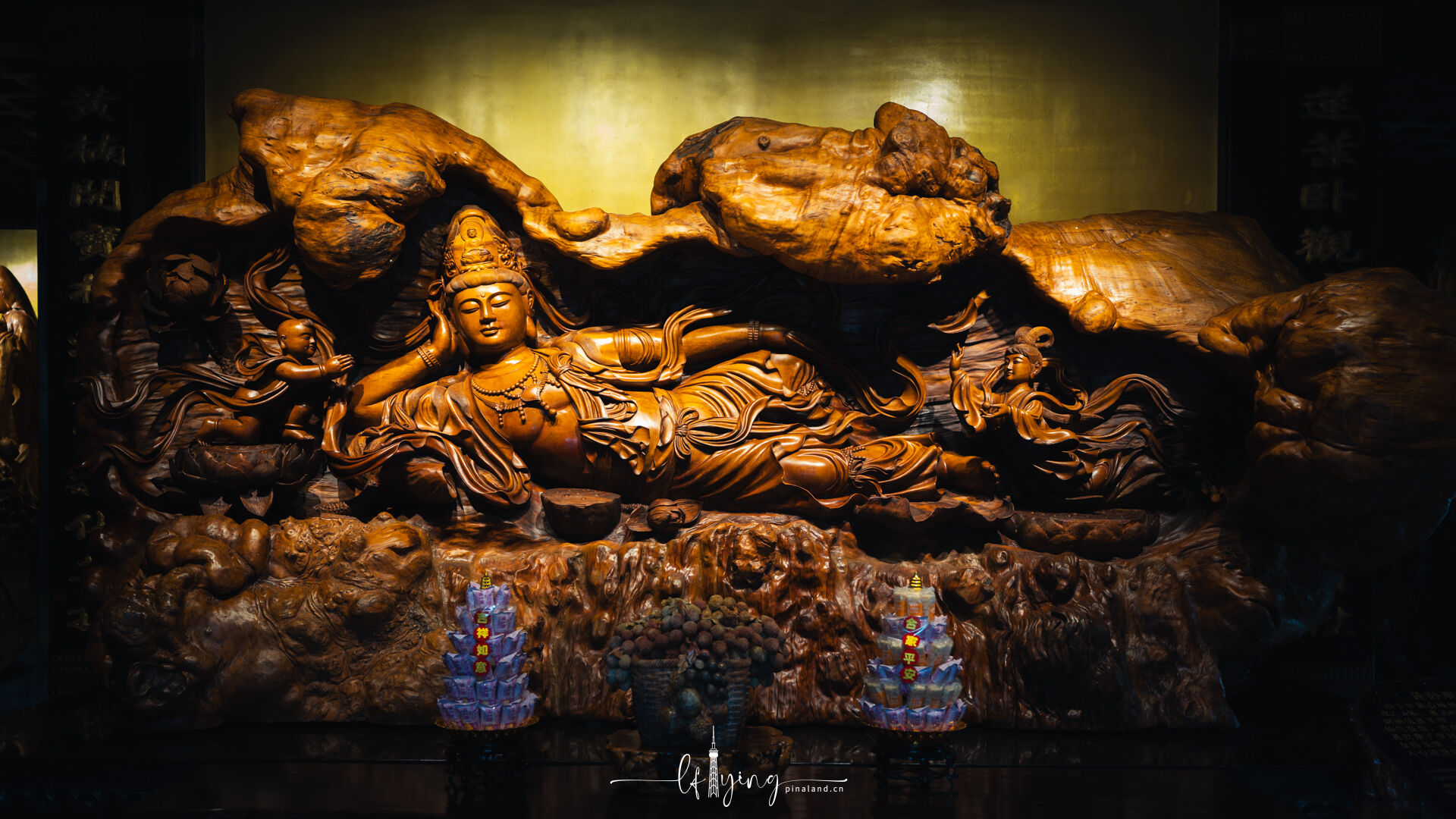
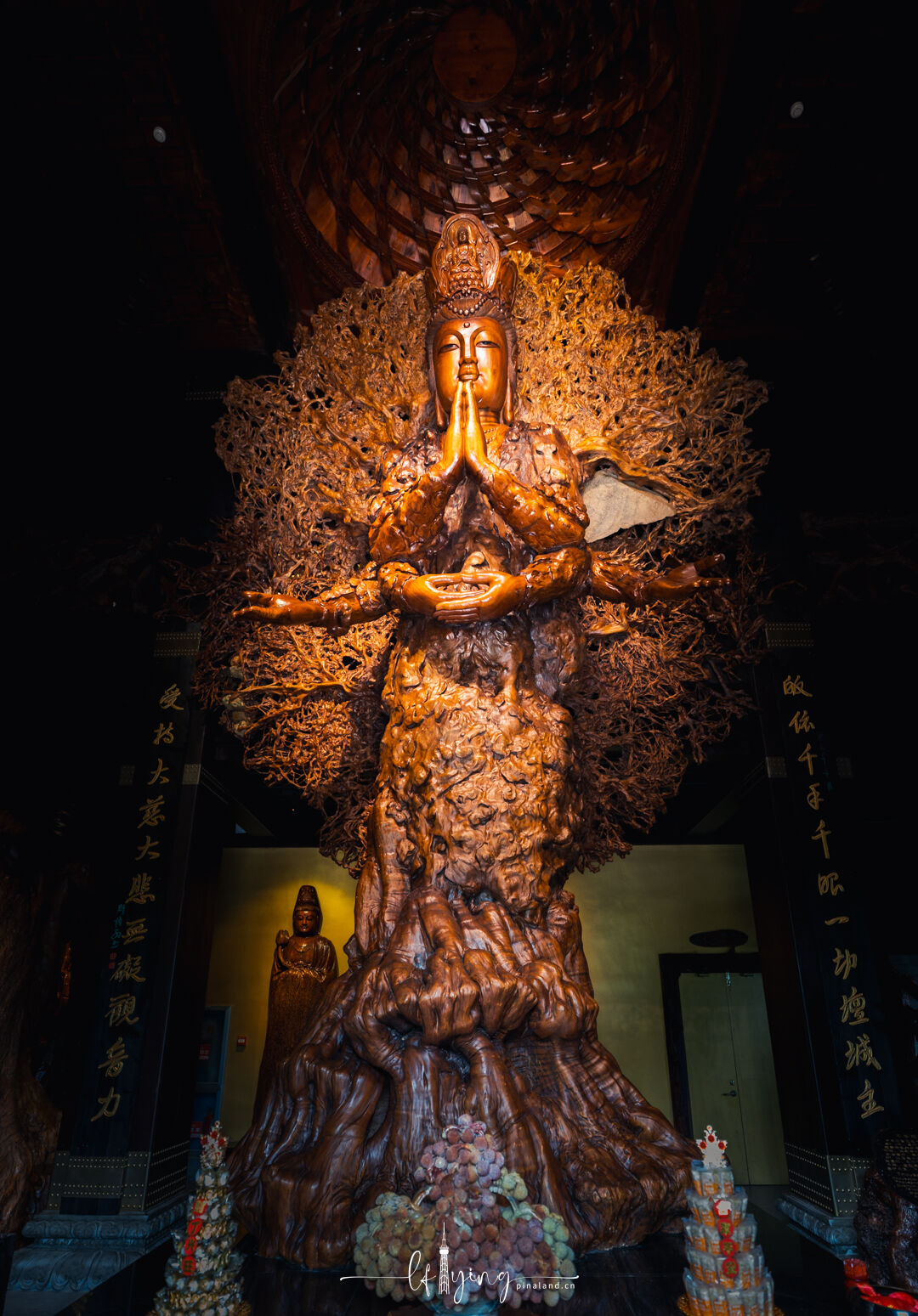
Inside, there are various Guanyin root carvings on display, but the most striking one is the Thousand-Armed Guanyin near the entrance. According to the introduction on site, it was carved from a single tree root transported from Southeast Asia, and it’s about two stories high. It’s the kind of piece that immediately sets the tone for the rest of the visit.
The pagoda has 13 floors in total. The first and second floors are open to visitors free of charge. Floors three through twelve are not currently open, while the thirteenth floor can be accessed with a separate ticket if you want to go up and ring the bell for blessings.
Since we were already there, we figured we might as well go all the way up. From the top, you can overlook the whole scenic area, and on a clear day you can even see Phoenix Tower in the distance. Unfortunately, the weather that day wasn’t great and visibility was pretty poor. The blessing ritual is simple: ring the bell three times. Xiao P and I both gave it a polite symbolic try.
Zuijing Garden, a glass bridge, and a bad reminder that I hate heights
From the pagoda, you follow the shaded path downhill and eventually arrive at Zuijing Garden. It seemed to be under renovation when we visited, so the whole area was filled with the rapid clatter of machinery, mixed with the calls of some animal we couldn’t identify at first.
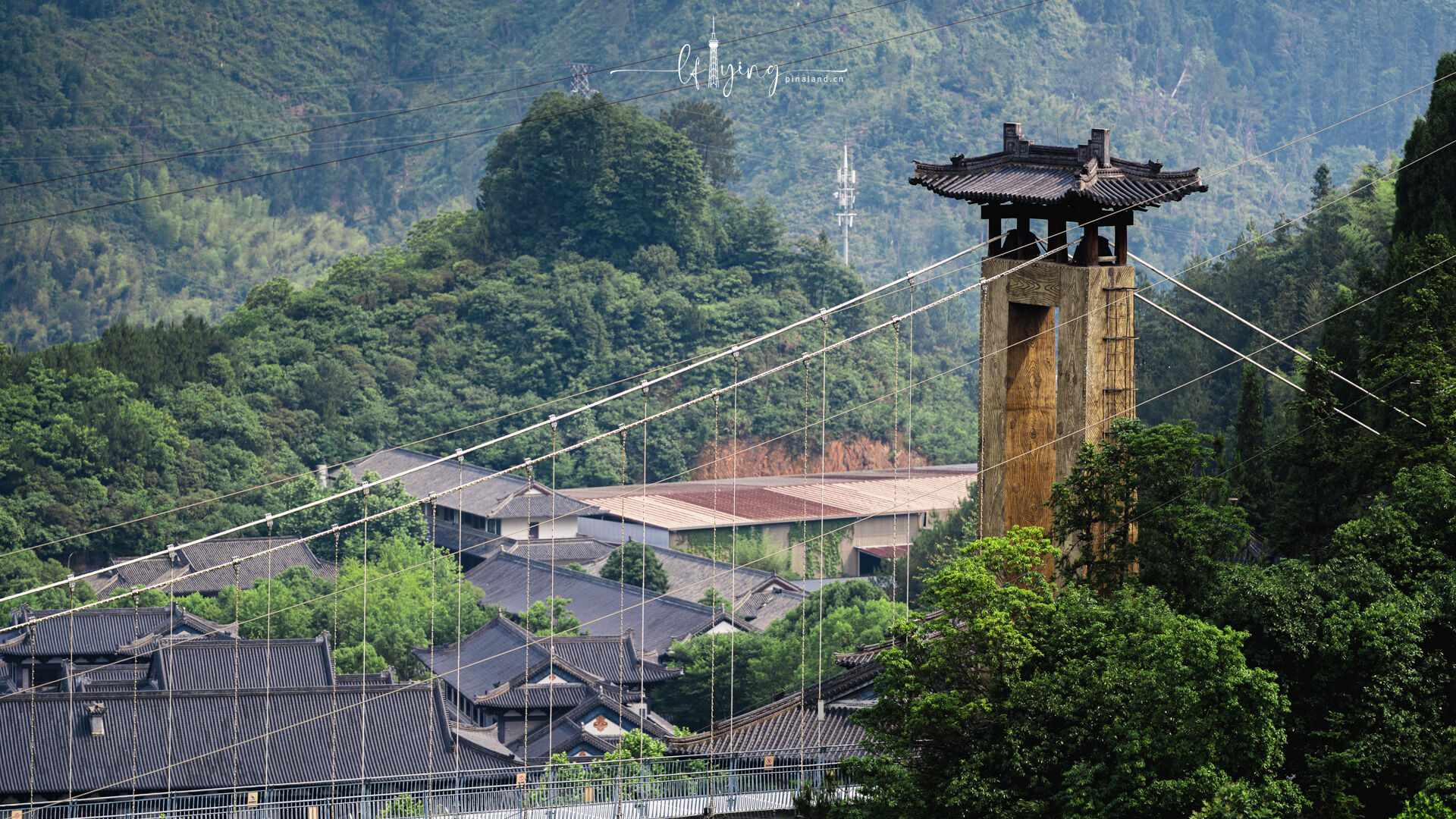
Then we saw it: a glass walkway stretching across the garden, apparently called Bodhi Bridge.
“Buy tickets and go on the bridge!”
At the ticket counter, I didn’t think much of it. The moment I stepped onto the glass, though, I remembered a very important fact about myself: I’m afraid of heights.
Xiao P had it even worse. The entire way across, he clung to the railing, knees bent, inching forward one step at a time. I wasn’t exactly doing much better. My brain had decided this was the perfect time to replay scenes from Final Destination on a loop. Those few minutes felt absurdly long. By the time we made it to the other side, Xiao P looked like he was about to be sick. Neither of us could understand why it hadn’t occurred to us earlier that we would react like this.
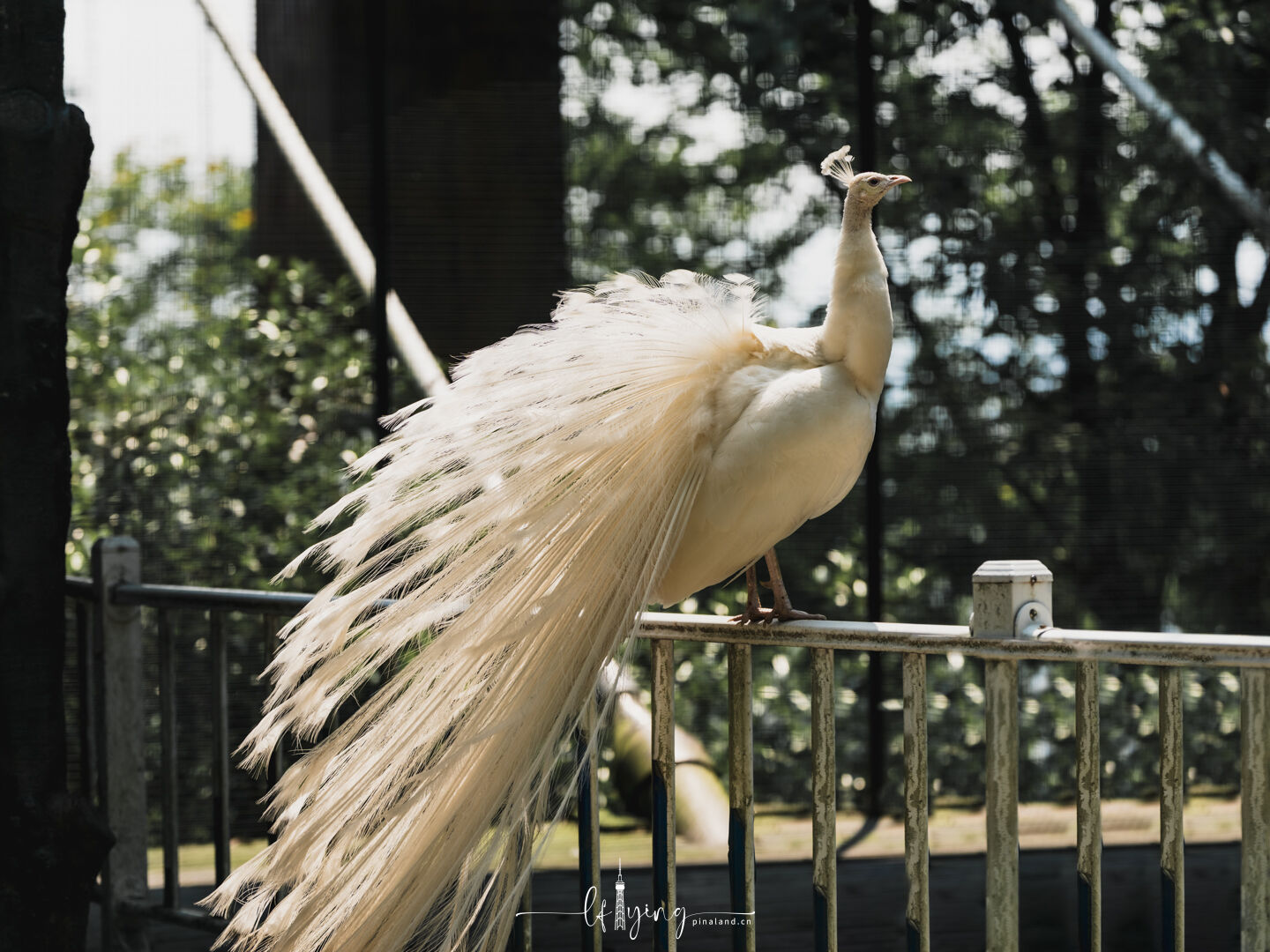
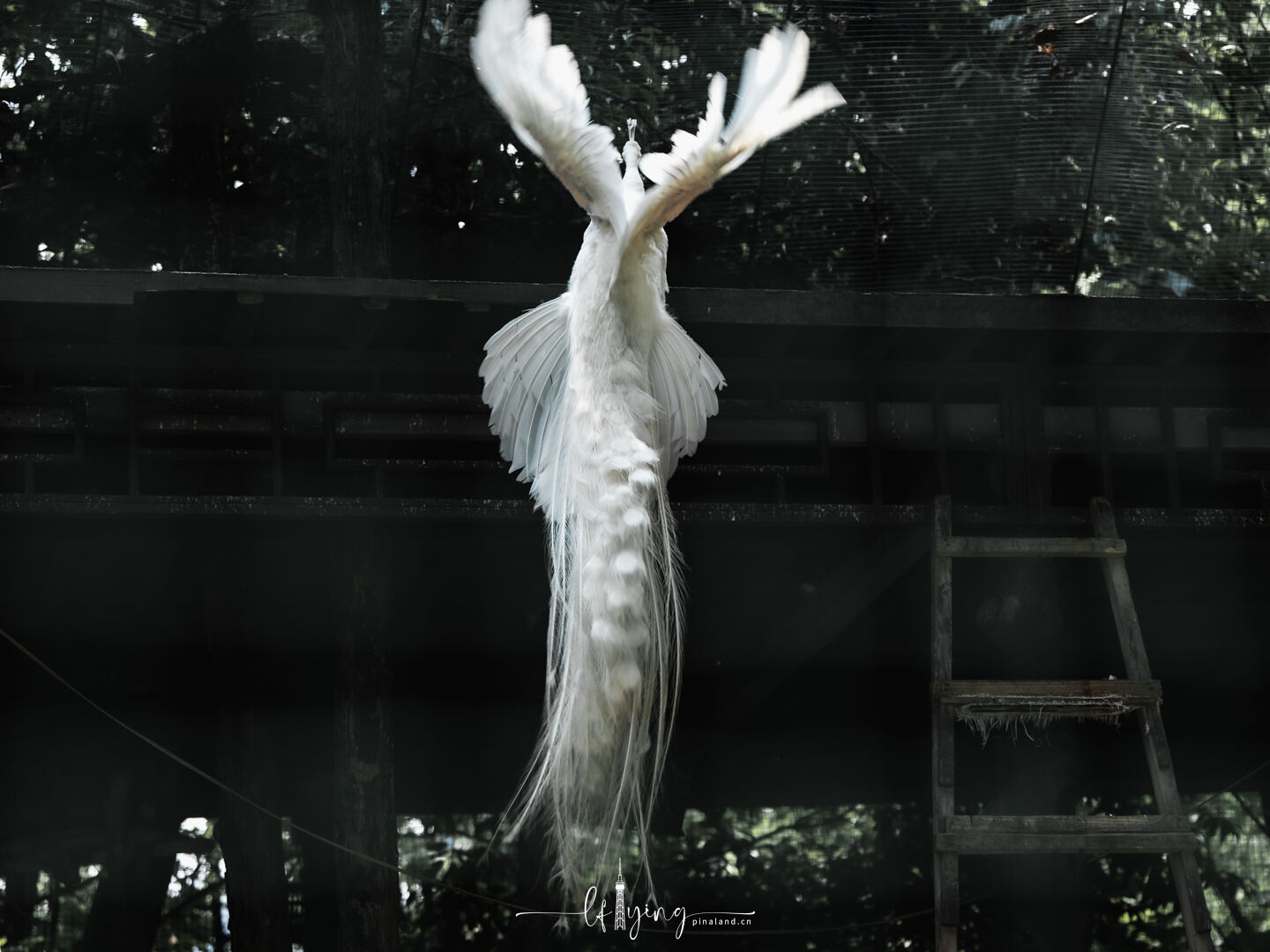
Once we got down, we finally figured out what those animal sounds had been. A few peacocks were strolling around inside an enormous enclosure. Calling it a “cage” doesn’t really do it justice—it covered nearly the area of two basketball courts. I had never realized how piercing a peacock’s cry could be. It honestly competed with the sound of the drills nearby.
We waited for one of them to fan its tail so we could get a good photo, but none of them cooperated. After standing around for a while, we gave up and moved on.
A museum of history and myth in root carving form
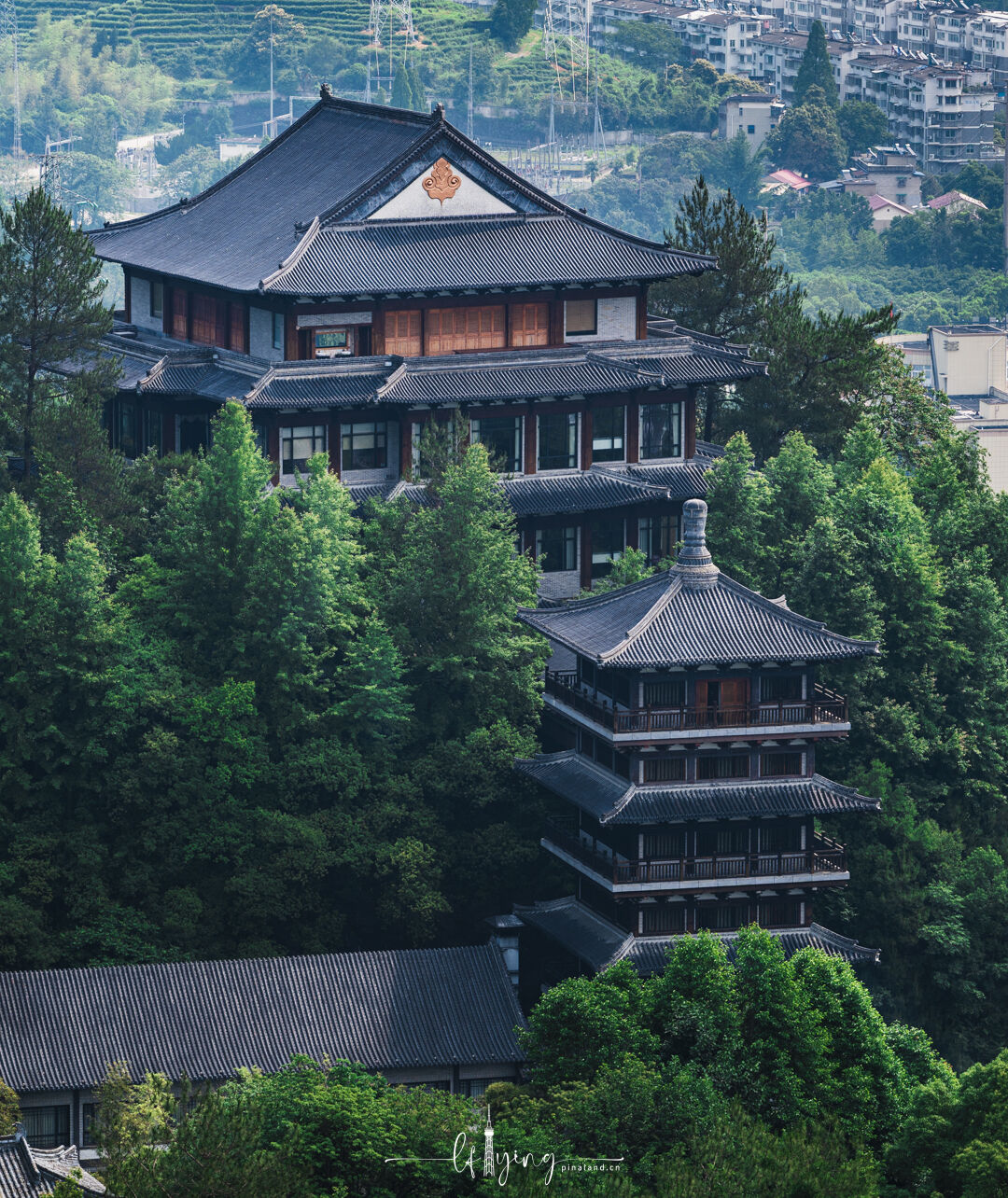
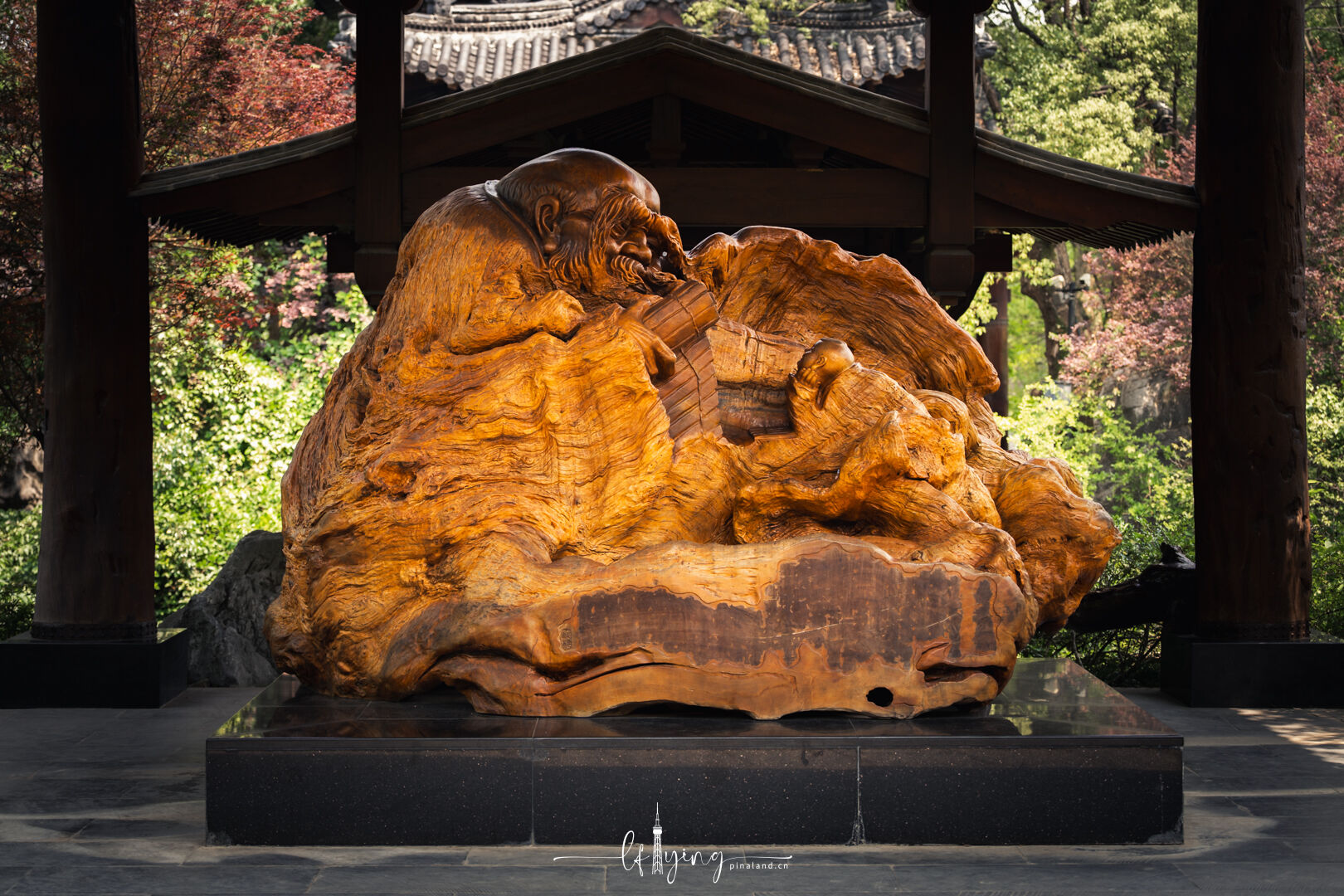
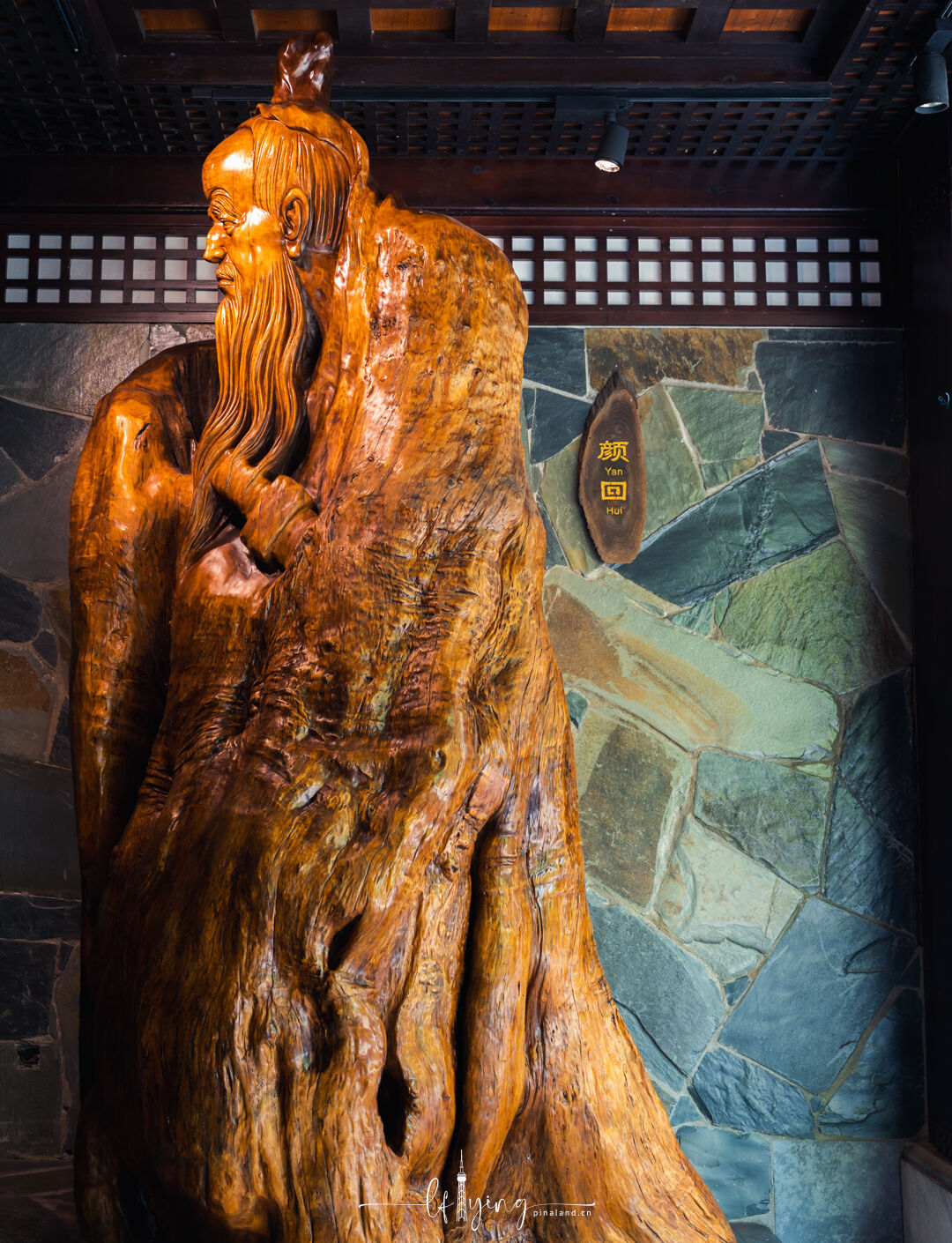
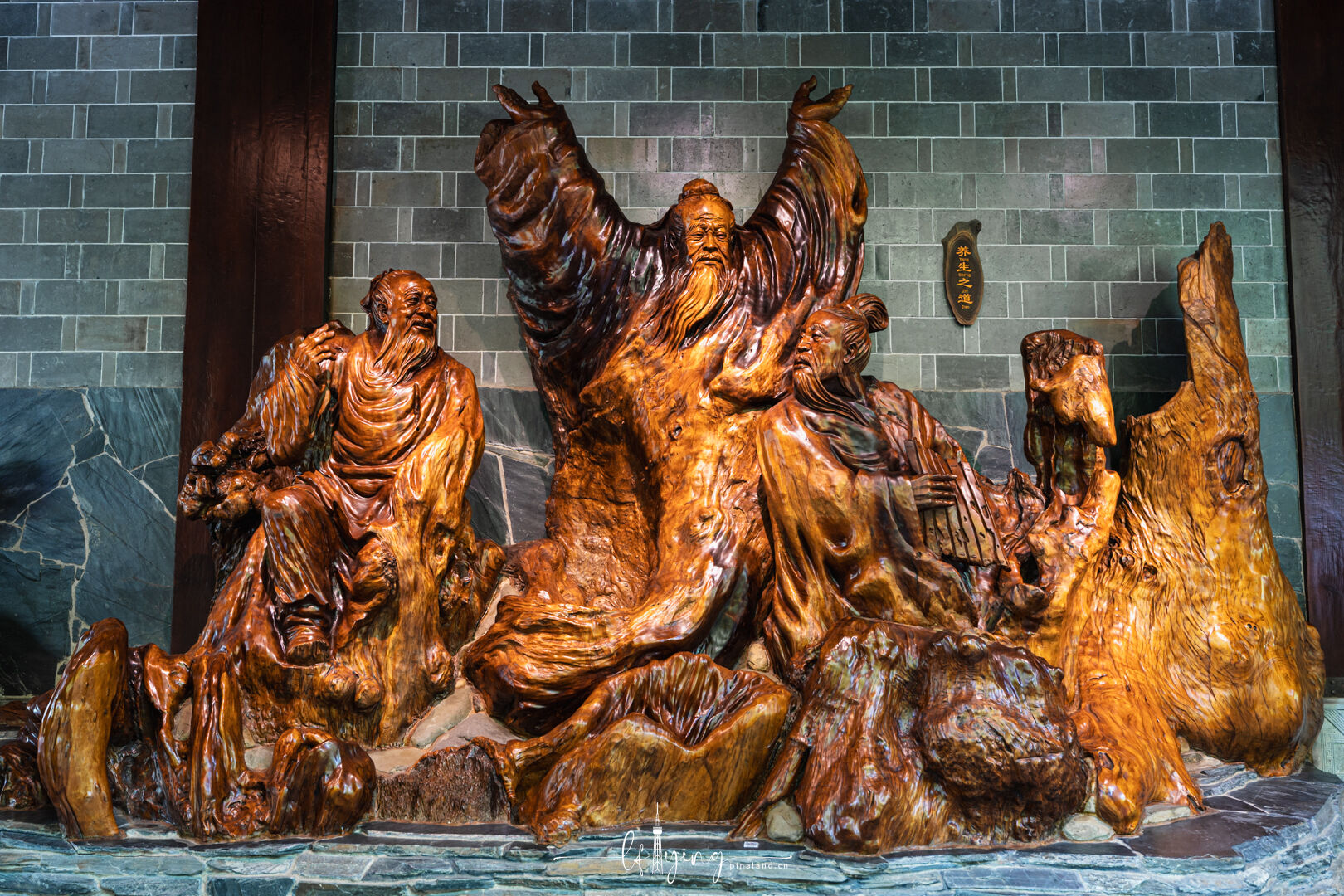
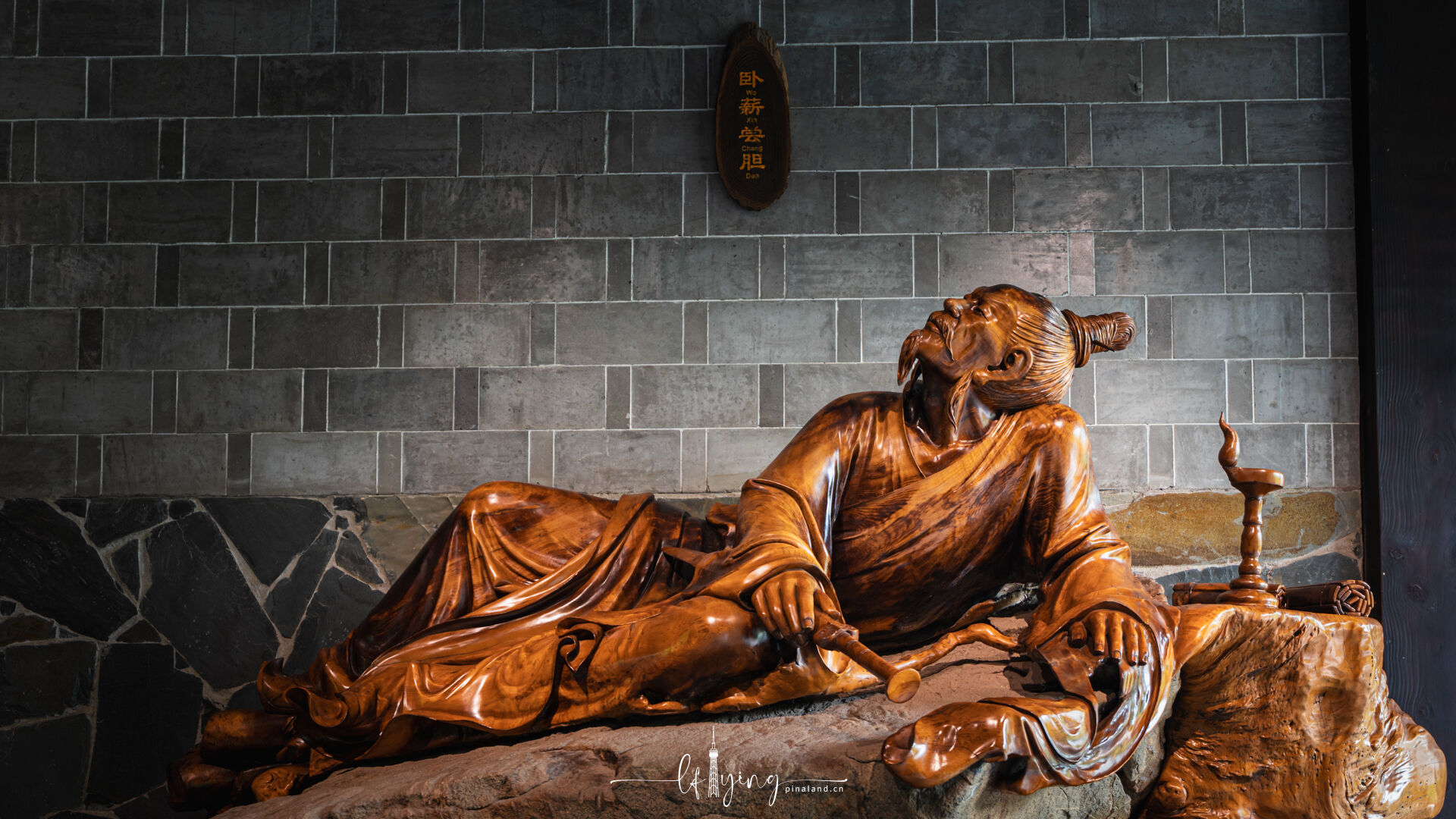
The Chinese Culture Root Carving Art Museum focuses on works tied to Chinese history and mythology. Even before entering the main hall, the corridors on both sides of the entrance are lined with carvings of the Seventy-Two Sages of Confucius. A few names are familiar from school texts—figures like Yan Hui, Zilu, Zai Wo, and Ran Qiu—while the rest continue one after another down the long passage.
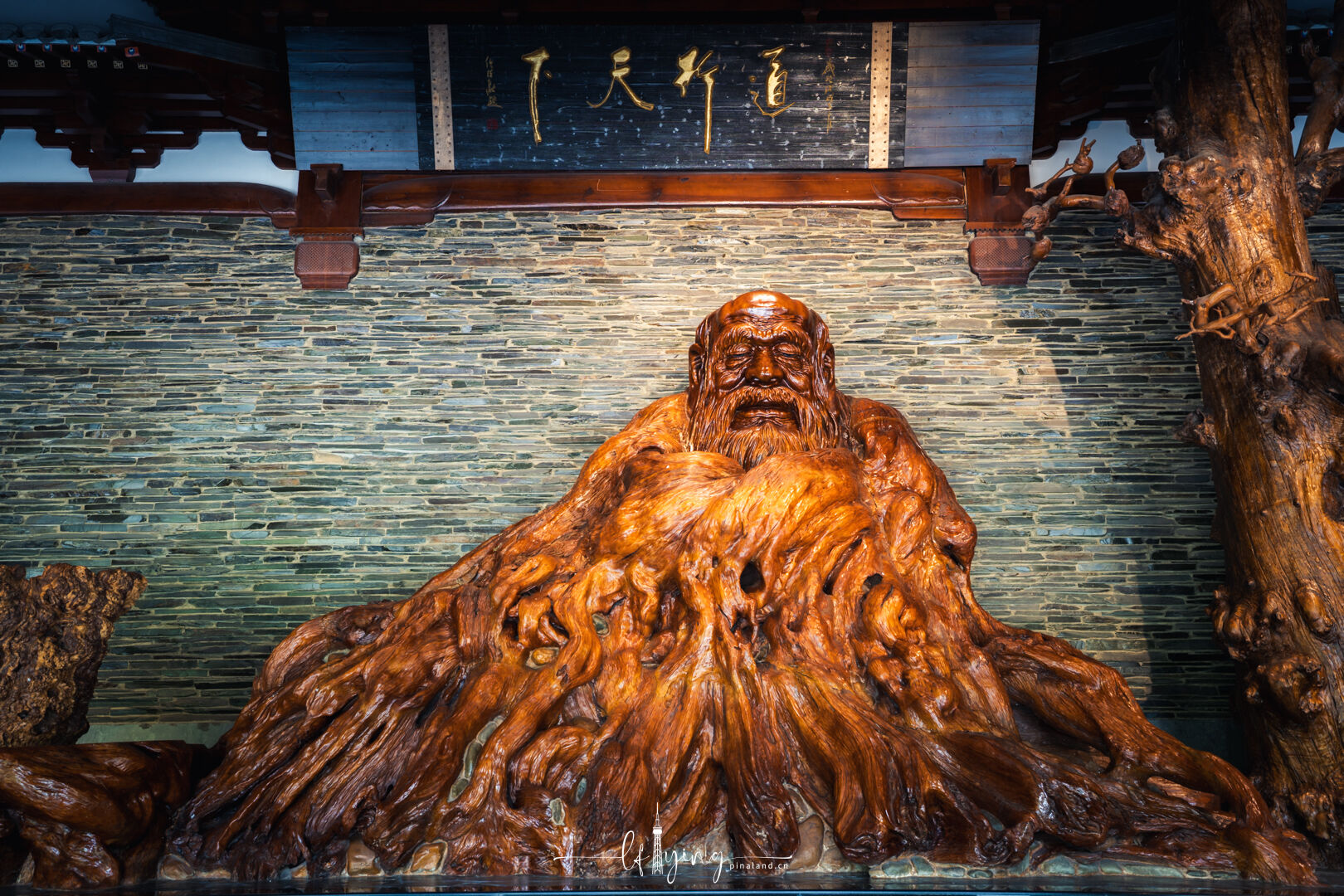
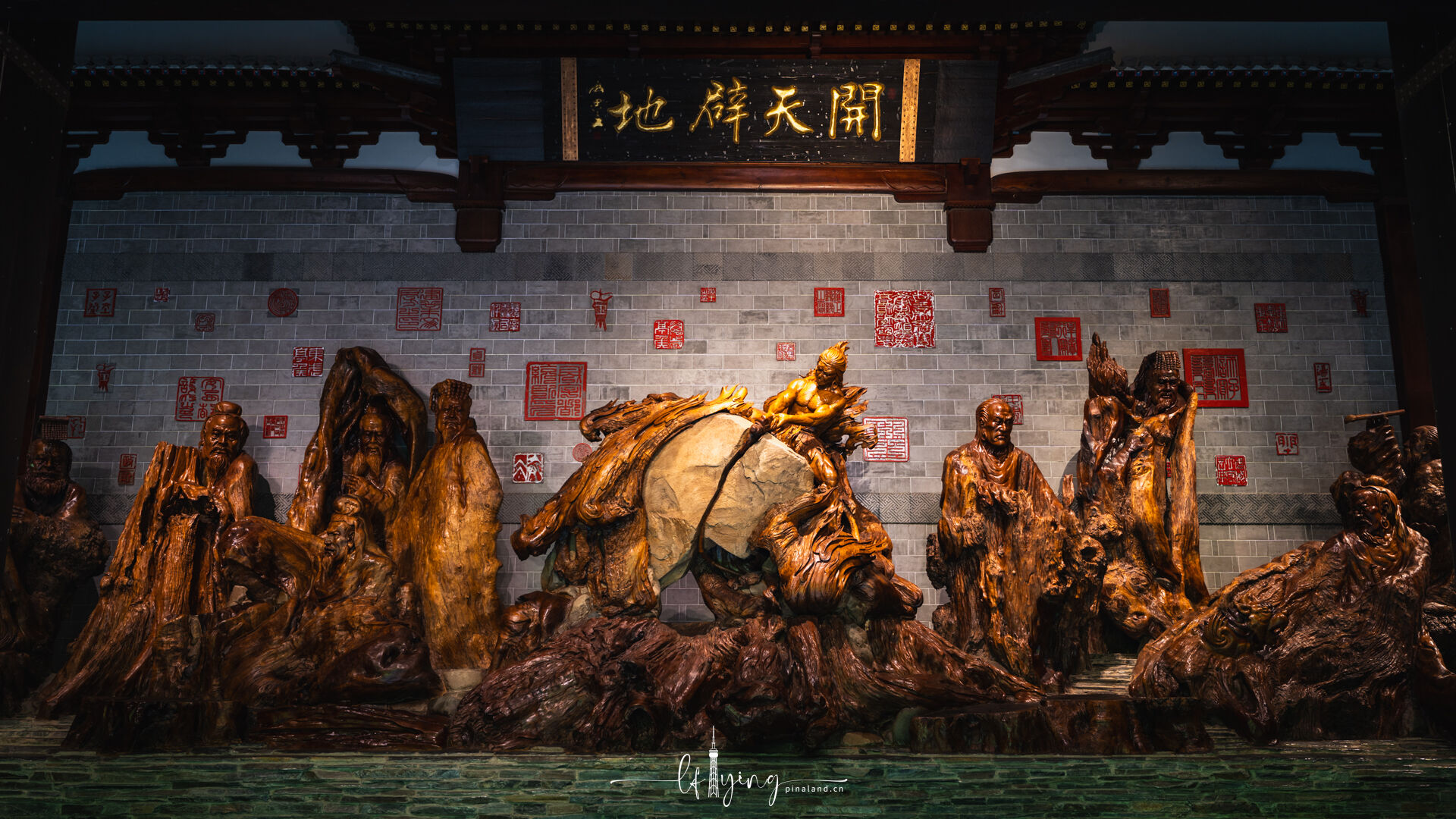
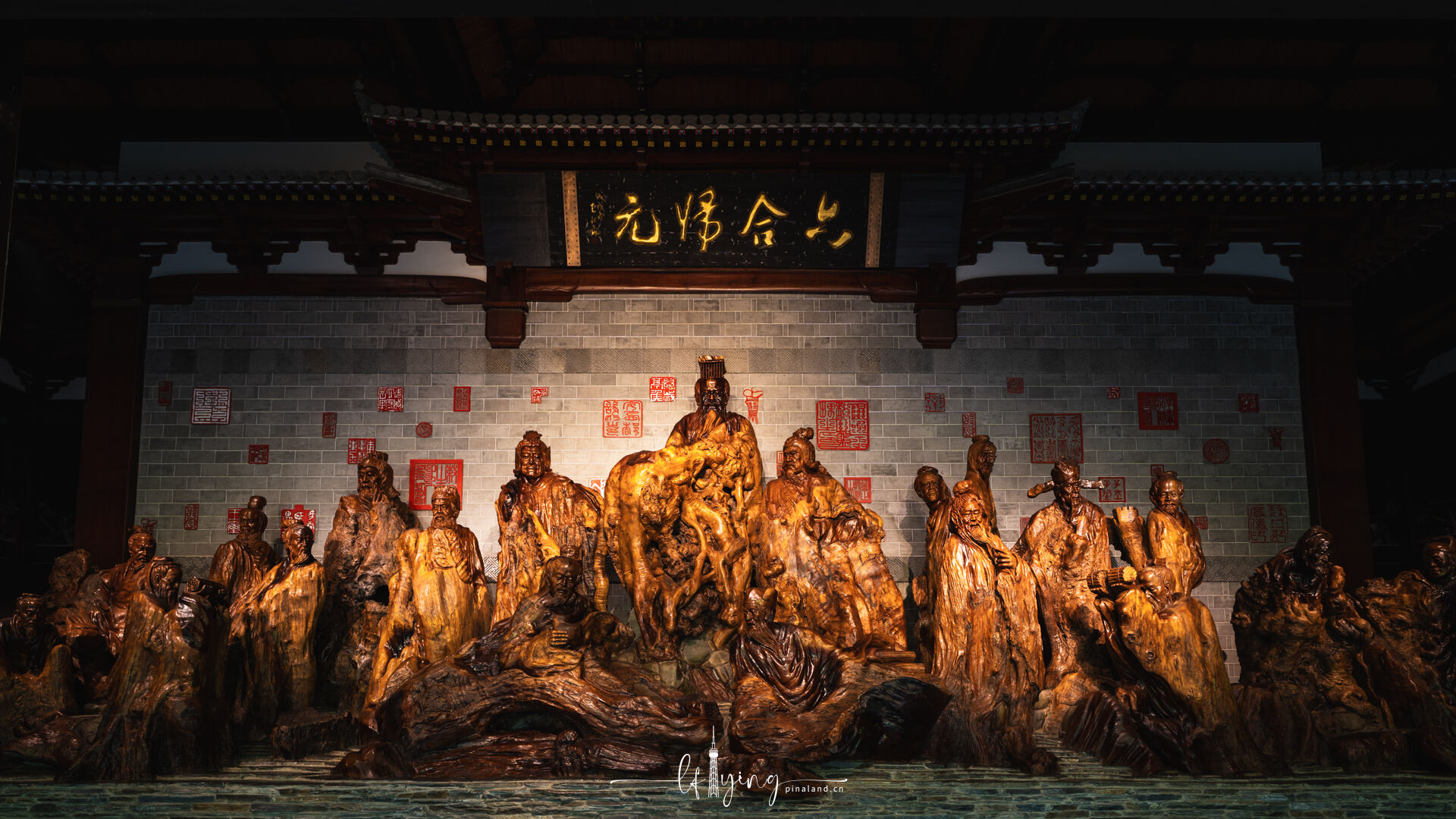
Inside the main exhibition area, the themes move through a sweeping sequence of stories, from Pangu separating heaven and earth and Nüwa repairing the sky to the Three Sovereigns and Five Emperors. Walking through it feels a bit like moving across five thousand years of Chinese civilization in compressed form.
The carvings themselves are vivid and full of character. Even when the subject matter is grand or symbolic, the craftsmanship keeps the figures from feeling distant.
Tongqu Garden was the real surprise
After a fairly quick pass through the Chinese Culture museum, we headed to Tongqu Garden. This area displays root carvings of dinosaurs, the Chinese zodiac, and all kinds of animals. It may appeal to children, but it definitely wasn’t only for children. Xiao P and I were completely drawn in.
Right at the entrance was a dramatic group display featuring several huge herbivorous dinosaurs along with smaller carnivores. It was unexpectedly imposing. Walking among them instantly brought Jurassic Park to mind. The atmosphere made it easy to imagine a pair of vertical pupils watching from some hidden corner.
Farther in were the twelve zodiac animals, each carved with real presence: a tiger that looked every bit as powerful as it should, a rabbit with an almost adorable softness, a dragon with streaming whiskers and a sense of movement in its face. I liked nearly every one of them.
Elsewhere in the garden, a monkey with bared teeth hung from a tree branch as if it had just leapt out to startle you. A pair of deer stood side by side, their antlers crossing, the pose somehow both dynamic and gentle.
The piece that impressed me most was a spreading eagle. It was carved with extraordinary realism. You could make out each feather in the wings, and it looked as if it might launch straight into the air at any second.
But the one that left the strongest impression—maybe not in a good way—was the rooster from the zodiac set. Imagine a creature that in real life wouldn’t even reach your calf suddenly enlarged to the height of a full story, beak thrust forward as if pecking straight at you. Just looking at it was enough to give you goosebumps. From Xiao P’s perspective, it was so unnerving that we were basically dragged past it without stopping for a photo.
童趣园根雕1
童趣园根雕2
童趣园根雕3
童趣园根雕4
童趣园根雕5
童趣园根雕6
童趣园根雕7
童趣园根雕8
童趣园根雕9
Lunch after the visit: Quzhou snacks were worth the wait
By the time we came out of Gen Palace Buddha Country, it was already around noon and we were starving. Quzhou cuisine is one of the few in Zhejiang known for its love of spice, and I’d been wanting to try authentic local flavors for a long time.
This time I finally did. Xiao P had done the homework in advance and took me to a specialty snack shop called Wang Agai. We ordered a few recommended items, including seasoned rice noodles, original milk crystal cake, and baked flatbread. It was a very satisfying meal.
Leaving Quzhou too soon
And just like that, the two-day Quzhou trip was over.
With living standards improving, many of Zhejiang’s smaller cities now feel impressively clean and well kept, and Quzhou gave exactly that impression. It’s the kind of place that suits a slower, mood-lifting trip rather well. I’d genuinely recommend it.
Next time, I’d like to come back with friends and spend more time properly exploring both the food and the scenery.