On a trip back to my hometown, I found a pile of old books and newspapers in the storage room, all of them coated in dust from years of neglect.
Among them were a few issues of Haiyan, a magazine published in Dalian that I used to love. It seems it did not survive for long before it was discontinued.
There was also a thick stack of Southern Weekly, some copies still showing the marks of mice that had chewed at the edges. The first time I read it, I was immediately taken with it. At first I bought it here and there from a newsstand, and later I simply subscribed year after year. In those days, the moment the paper arrived each month, I would drop whatever I was doing and read from the first page all the way to the last. I always felt that when it came to the depth of reporting, the way events were told, and the richness of detail, it stood far above other newspapers.
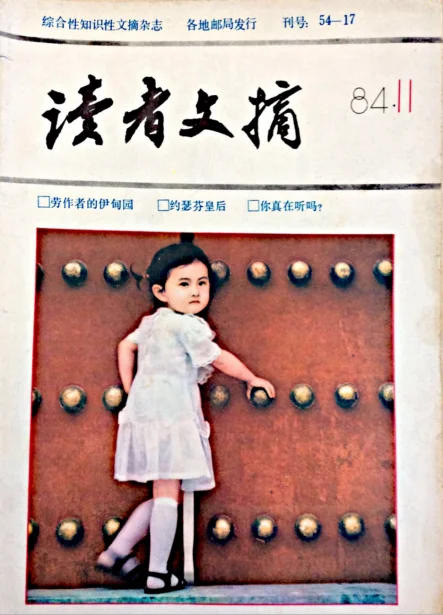
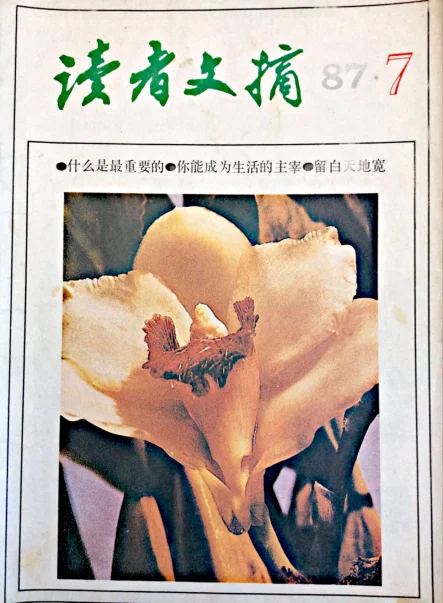
I also came across a few issues of Prose Poetry and Mini Fiction, a large pile of yellowing Reader’s Digest-style magazines, and some pirated novels so badly printed they were full of typos.
I remember there had once been many more: Folk Literature, Liaoning Youth, Story King, Story Club, Children’s Literature, Young Writers, and all kinds of miscellaneous newspapers and magazines. I do not know whether they were lost somewhere along the way or sold off as scrap paper.
Whether they are still here or already gone, these publications hold the record of my reading life from childhood onward. Every one of them once carried a kind of delight and excitement for me. Back then, there was either no television at all, or only two or three channels. In those days, if a film was shown in the village, it felt almost like a festival. Books really were our spiritual nourishment—if not nourishment, then at least something to lean on inwardly.
My first book came from the newsstand in the town. Because it was run by the local post office, it was a small green metal kiosk. I used to wander over there often, tilting my head up to look through the glass at the neatly arranged, brightly colored magazines inside. If I happened to have one or two yuan in my pocket, I would quickly buy the novel I had been eyeing. If I had no money, I would just pace around and feast my eyes on them. After a while I became familiar with the woman who managed the place, and she would let me step inside and stand there reading and flipping through things.
At that time, my greatest dream was to own a newsstand.
If customers came, I would greet them; if no one came, I would read by myself. Each morning after sunrise, I would remove the outer panels, open that little metal door, and begin the day surrounded by the dense smell of paper and ink. Before sunset, I would put the boards back over the glass windows and use a small lock to shut away all those rushing thoughts and stories before walking home. Years later, when I read Haizi’s line about facing the sea and letting spring flowers bloom, what came to mind was not the sea at all, but that green newsstand.
As I got older and left home to study elsewhere, wandering through bookstores, digging through bookstalls, and picking up newspapers or magazines at kiosks became my way of filling spare hours. Now all of that has largely been replaced by phones and computers.
Looking back is beautiful because life then felt simple, innocent, quiet, and slow. Today the world may be more dazzling and distracting, but even so, I think I still prefer the present.